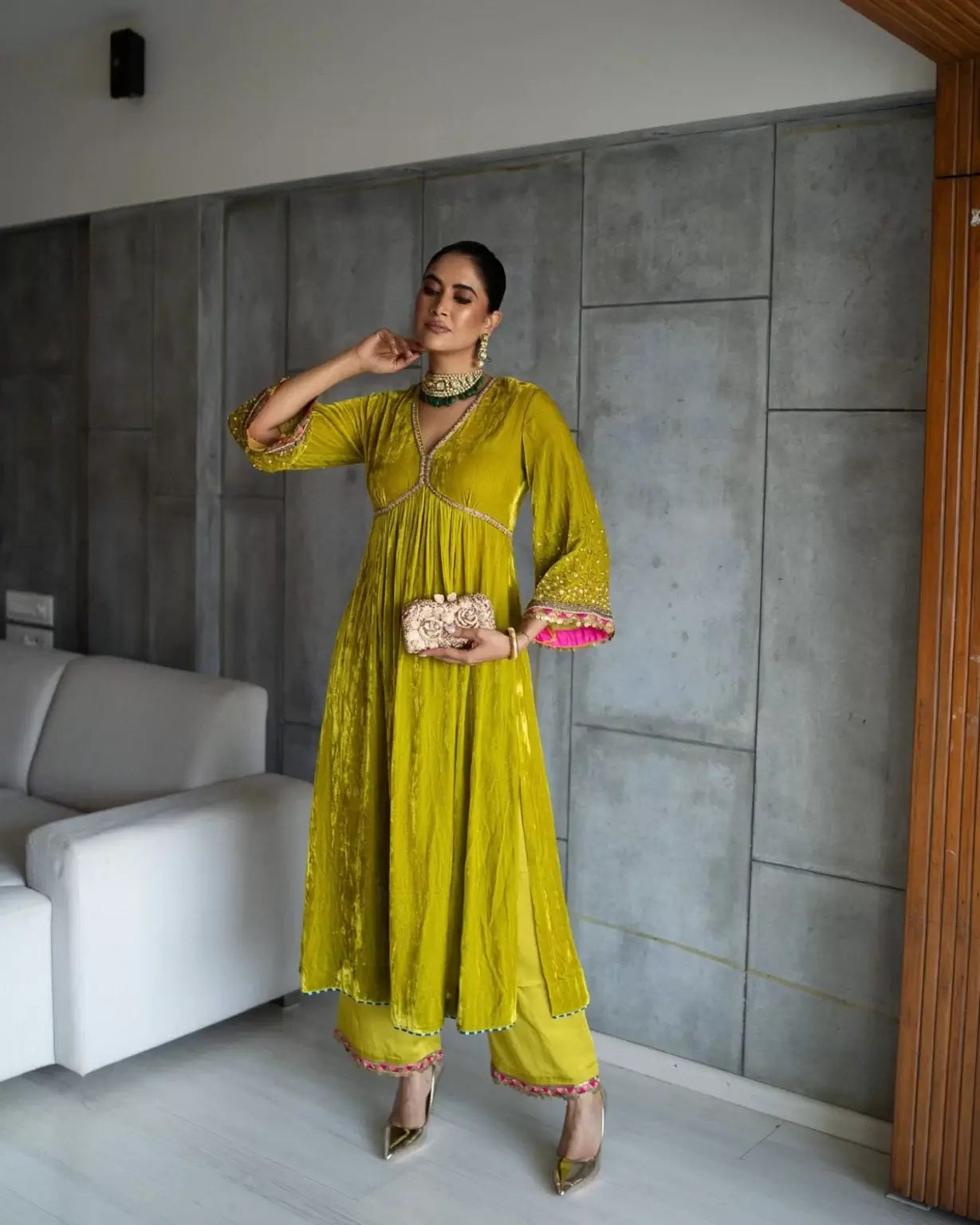
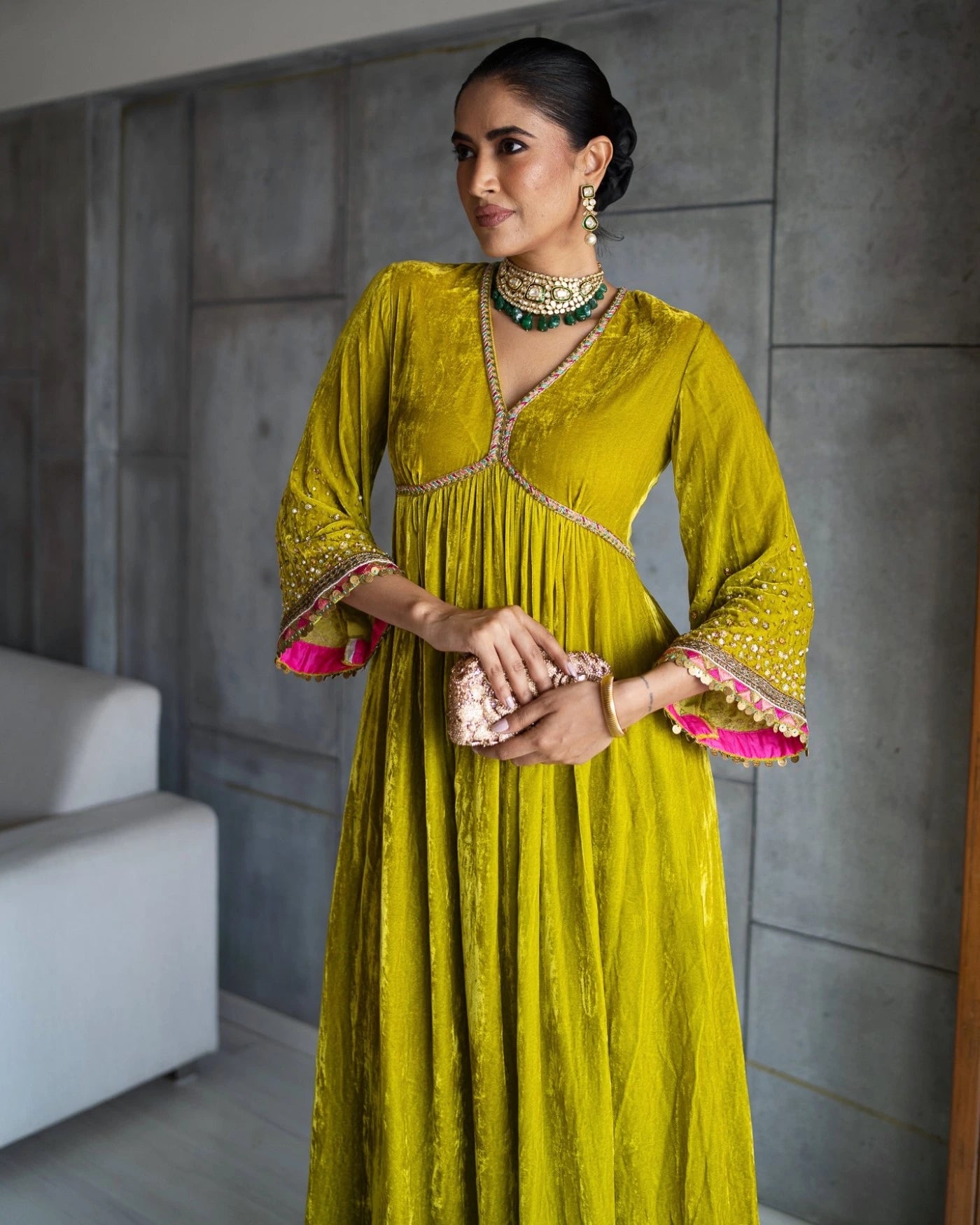
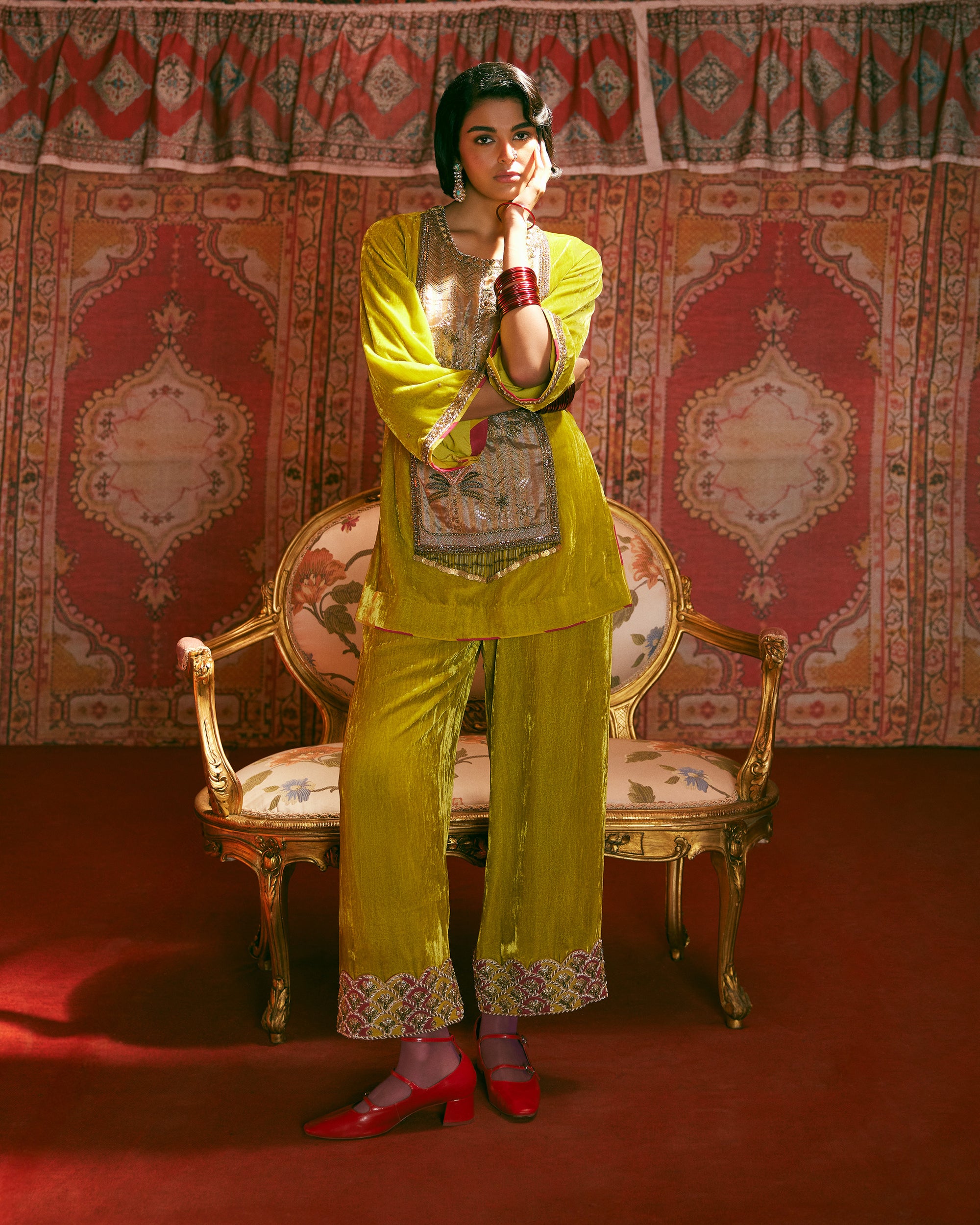
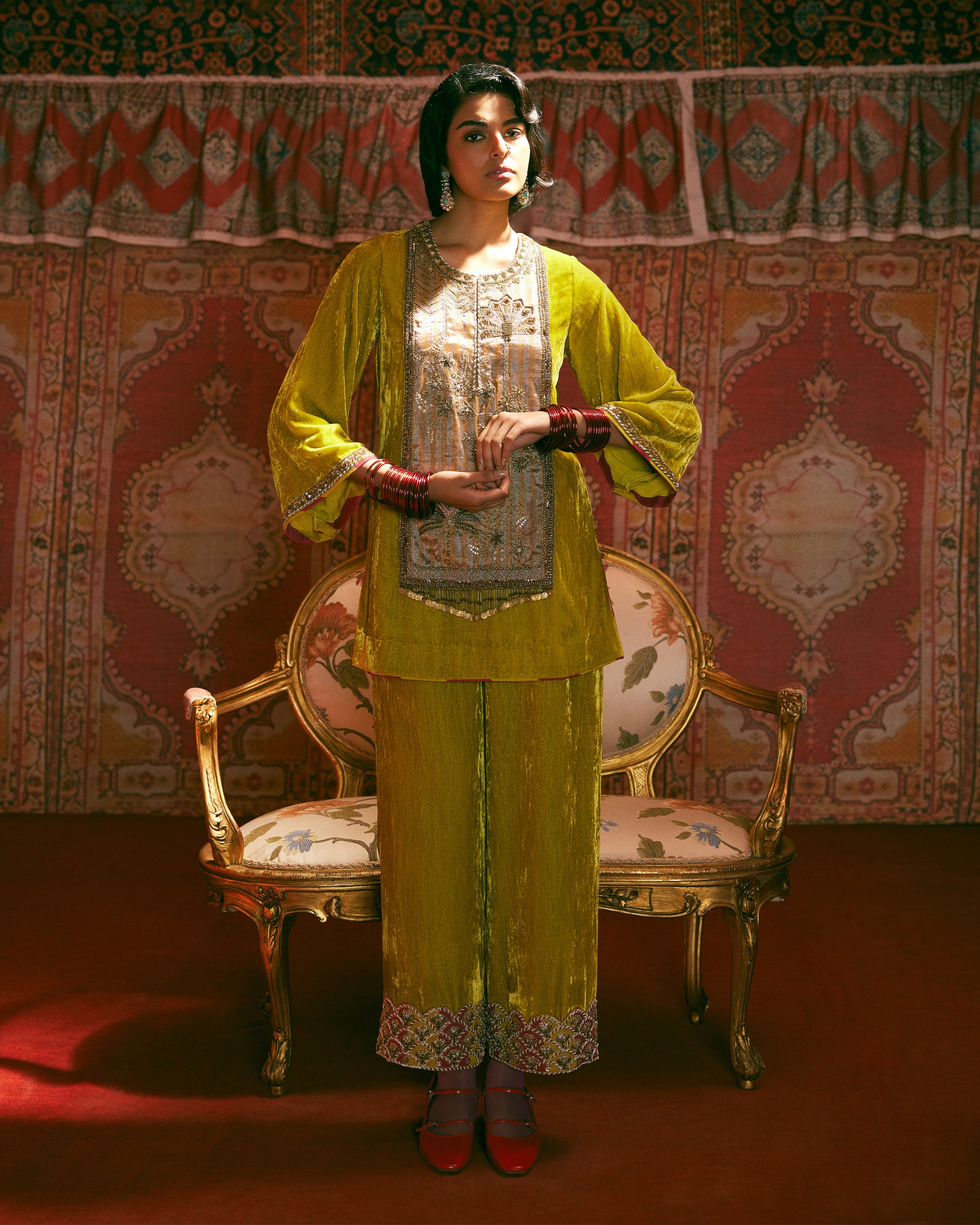
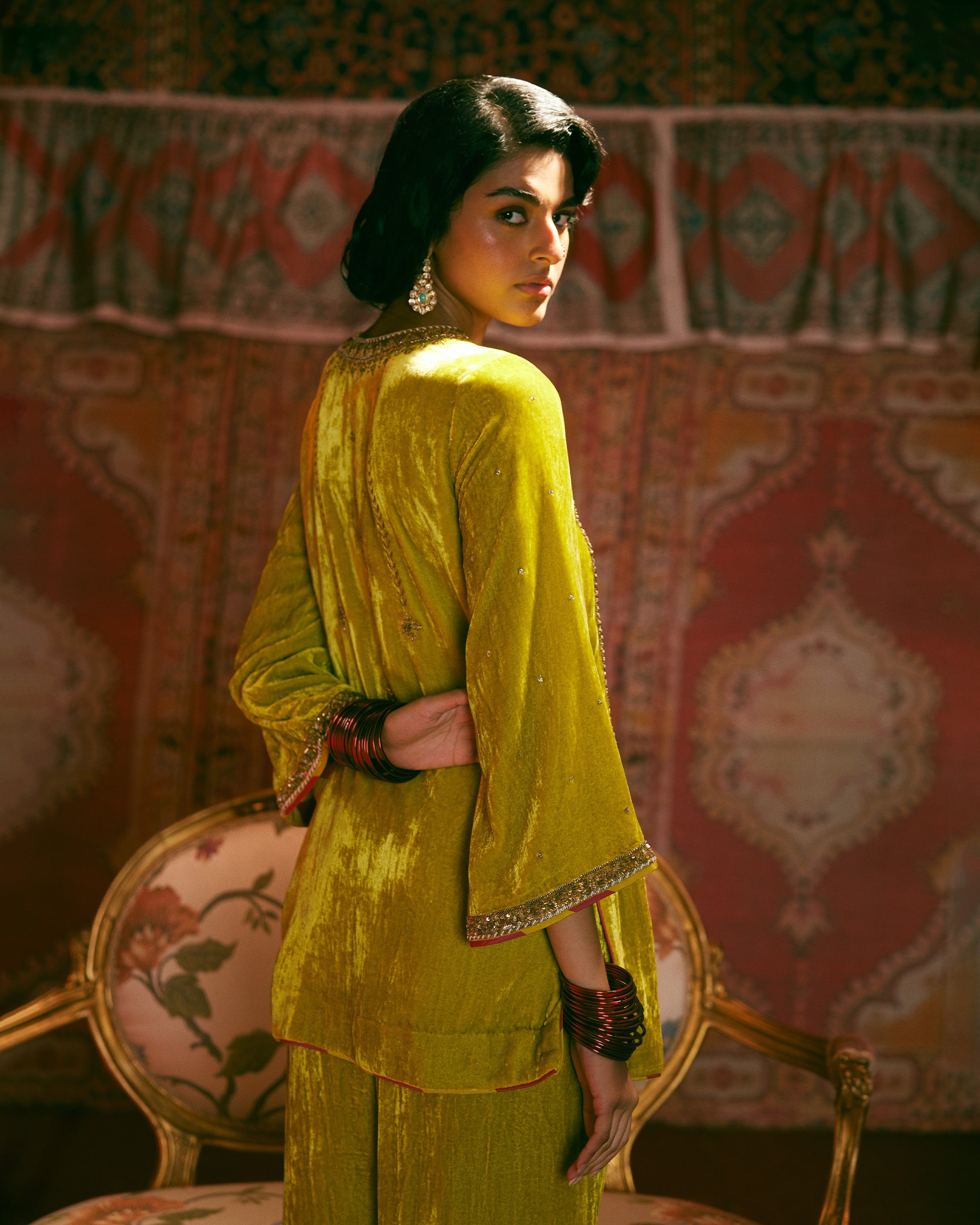
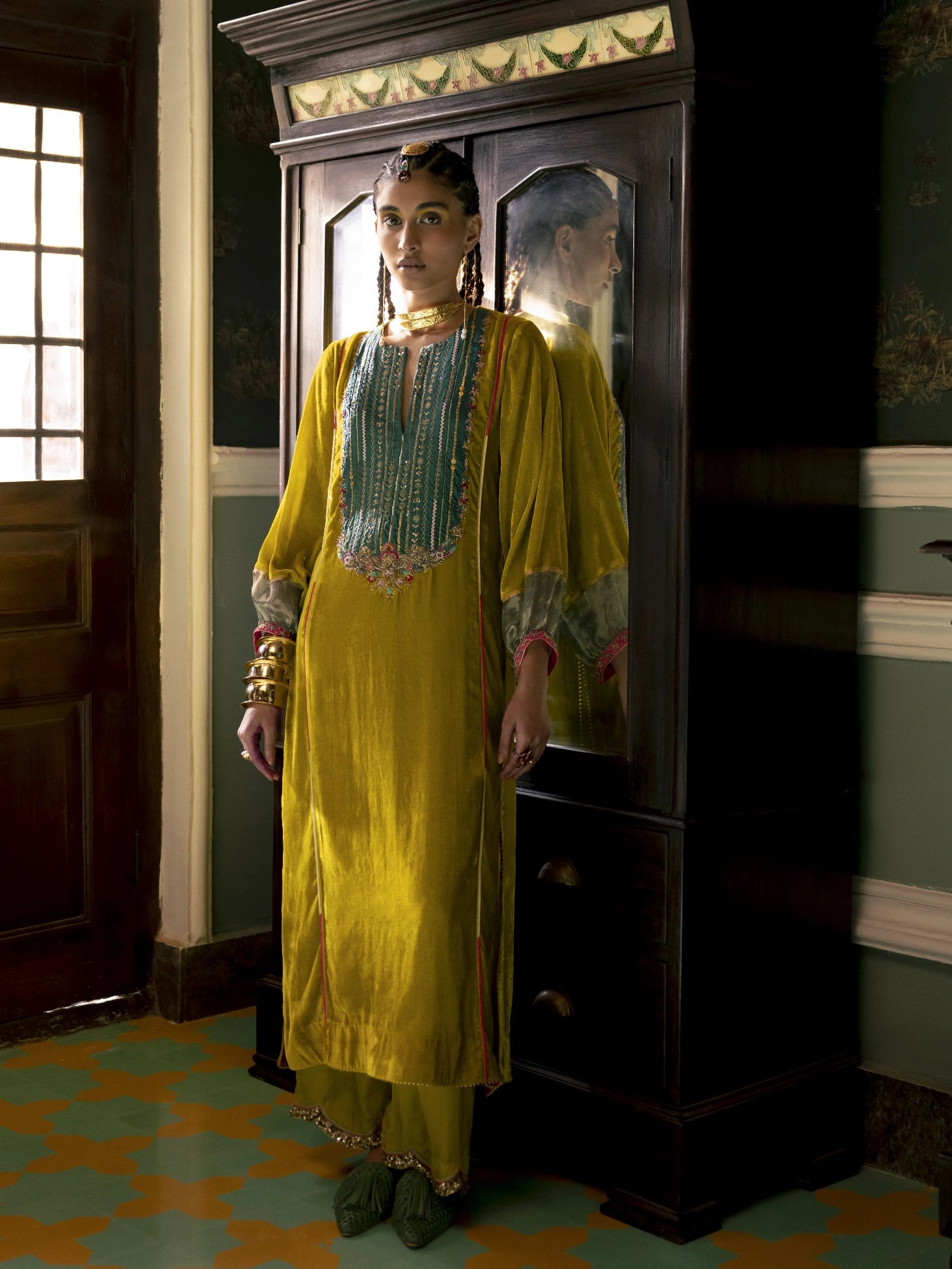
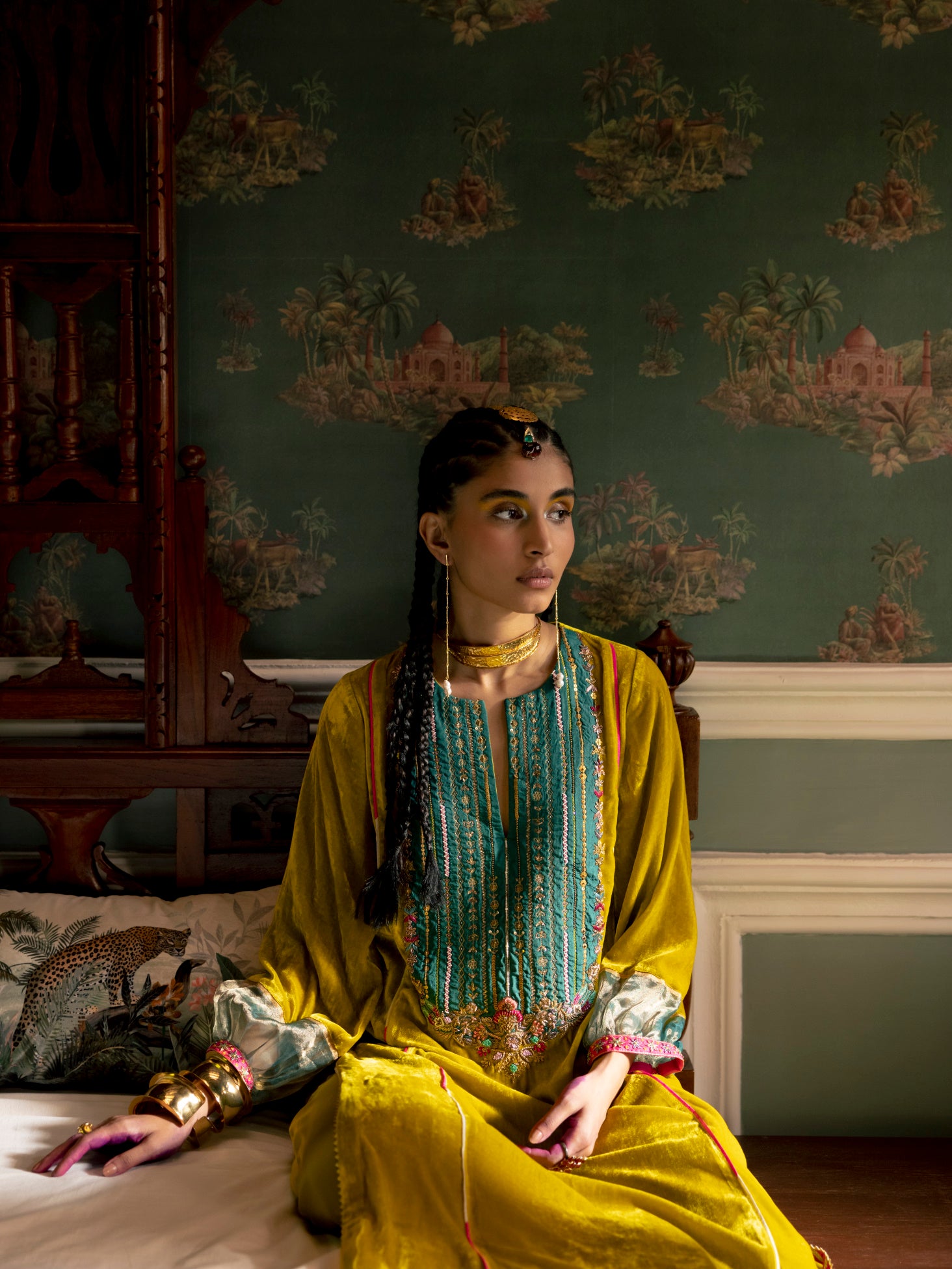
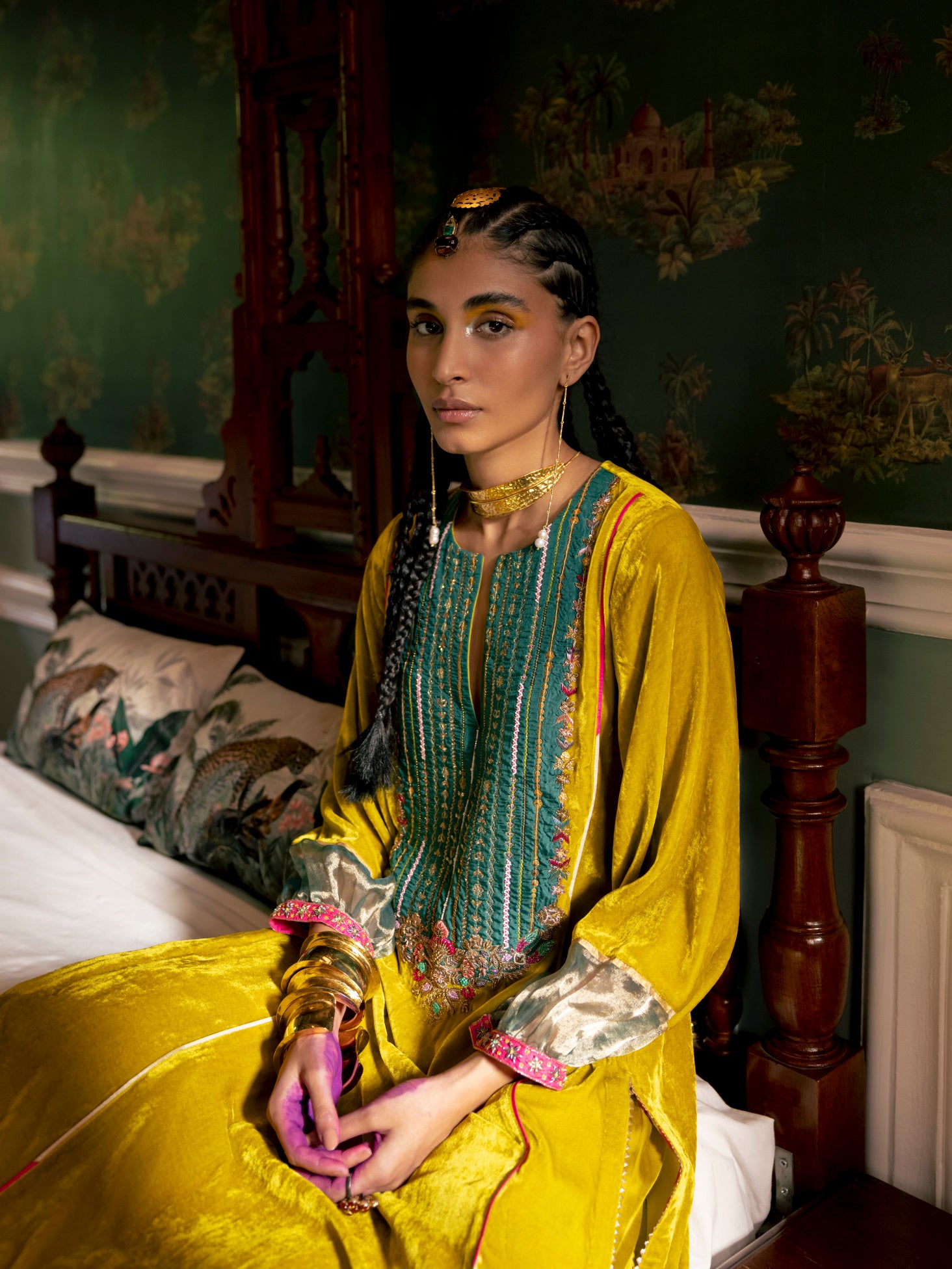
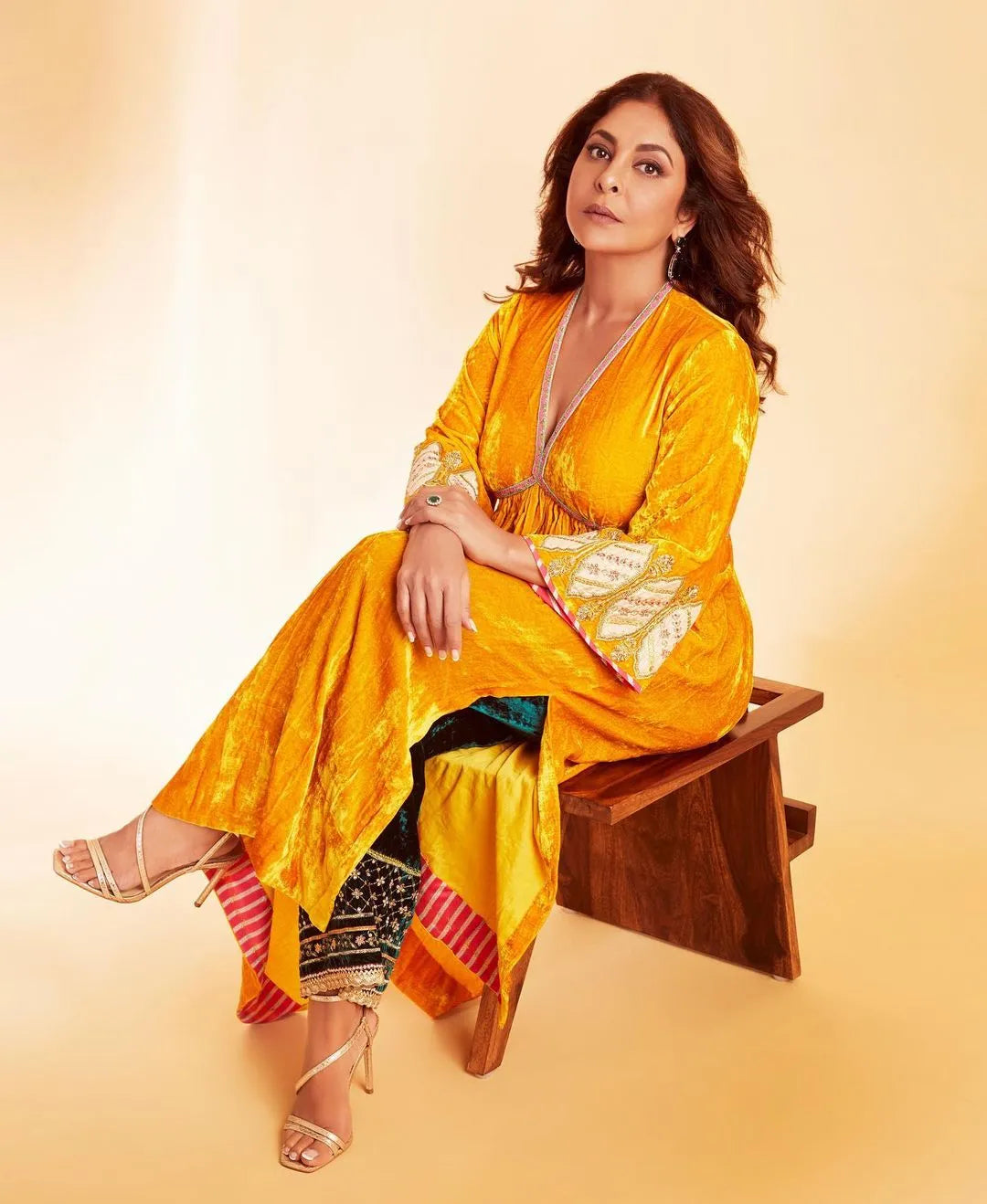
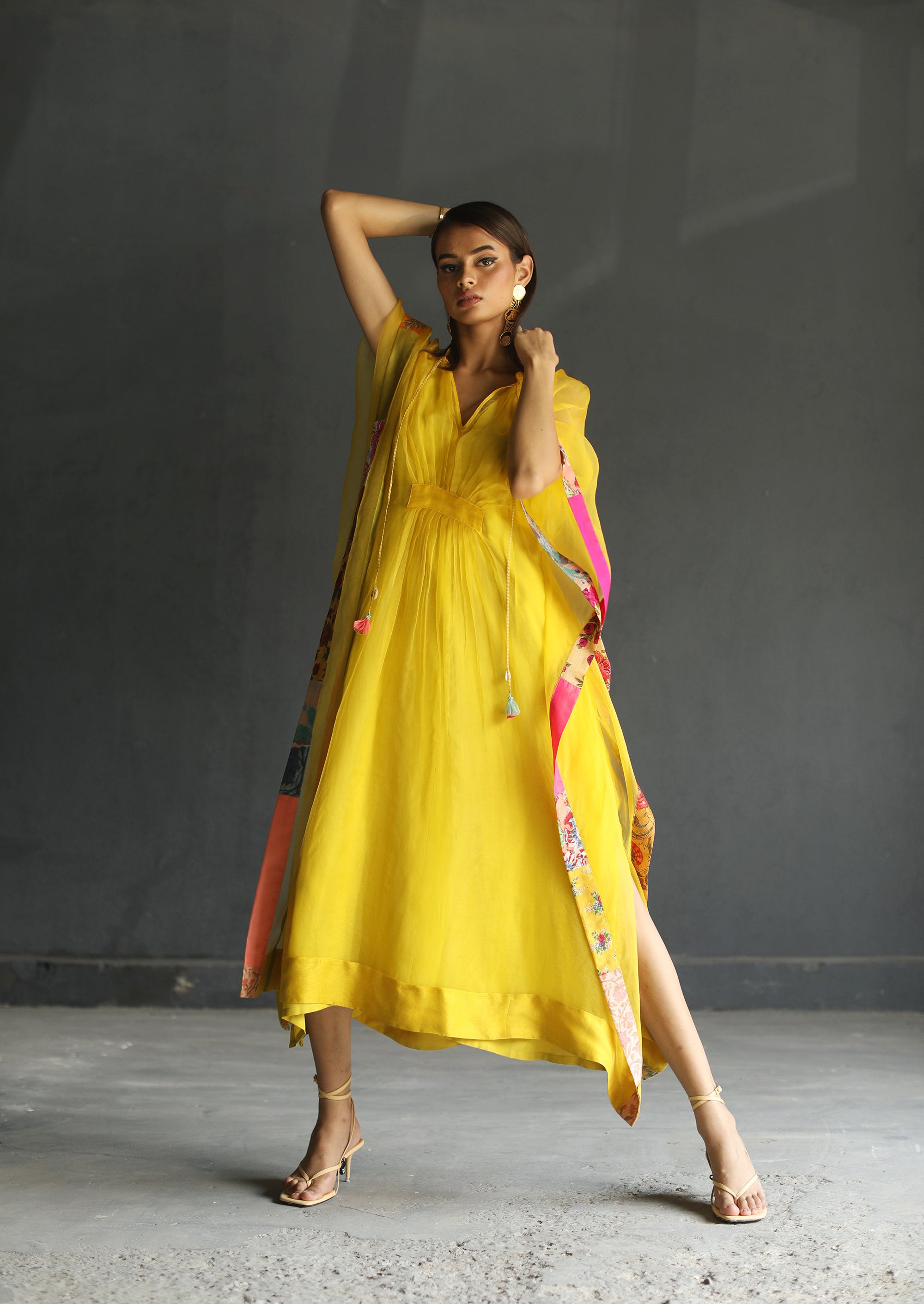
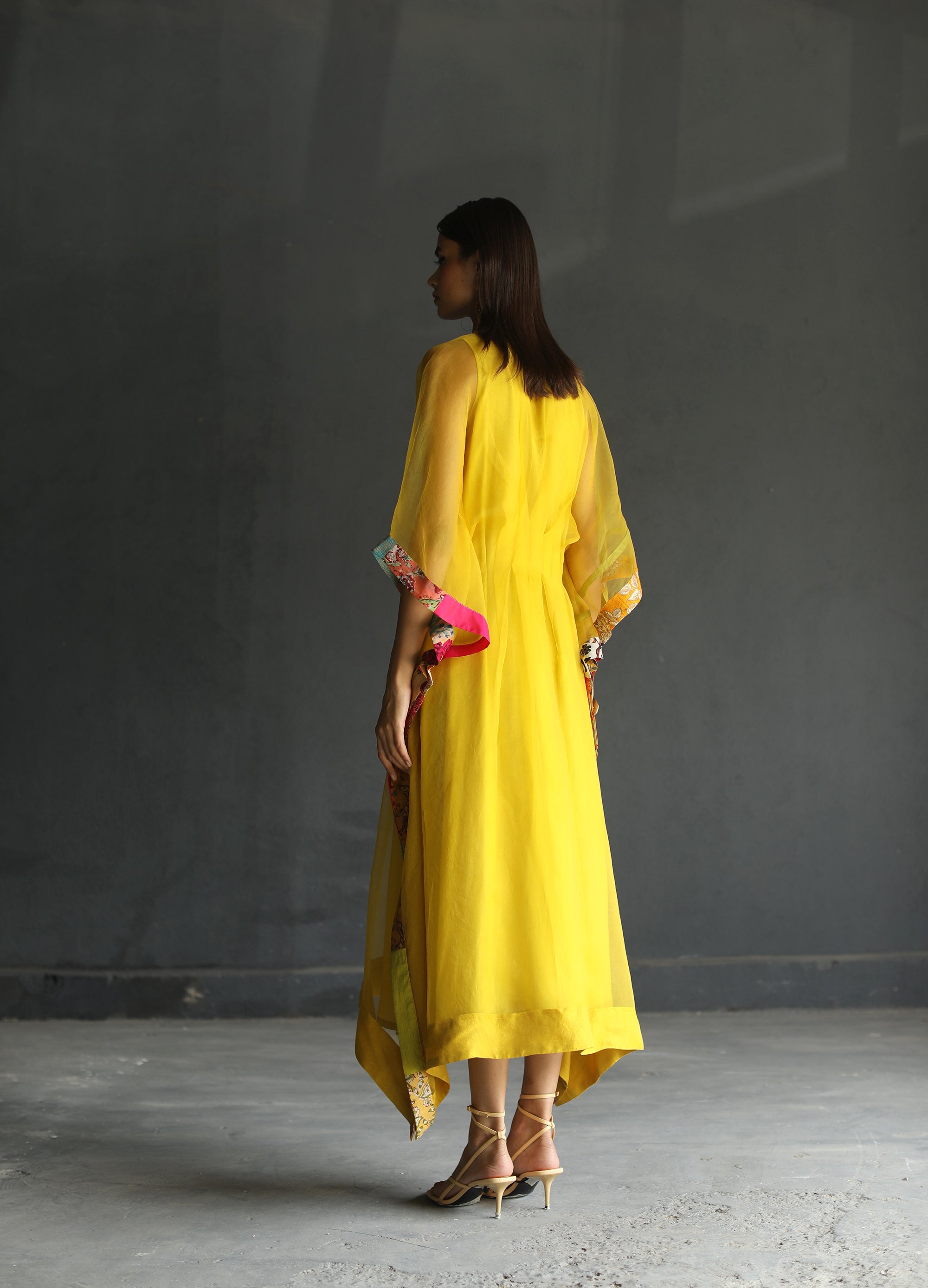
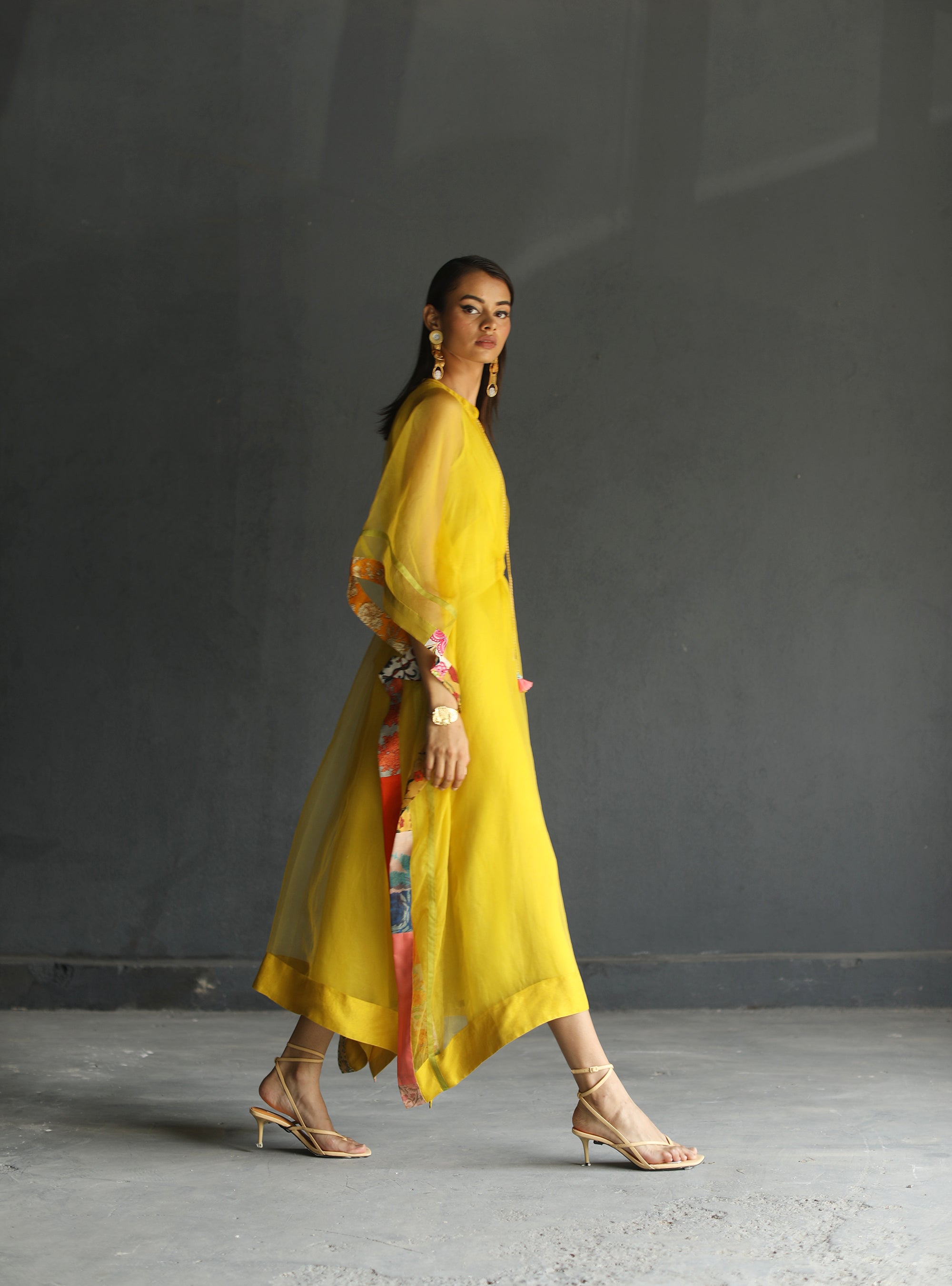
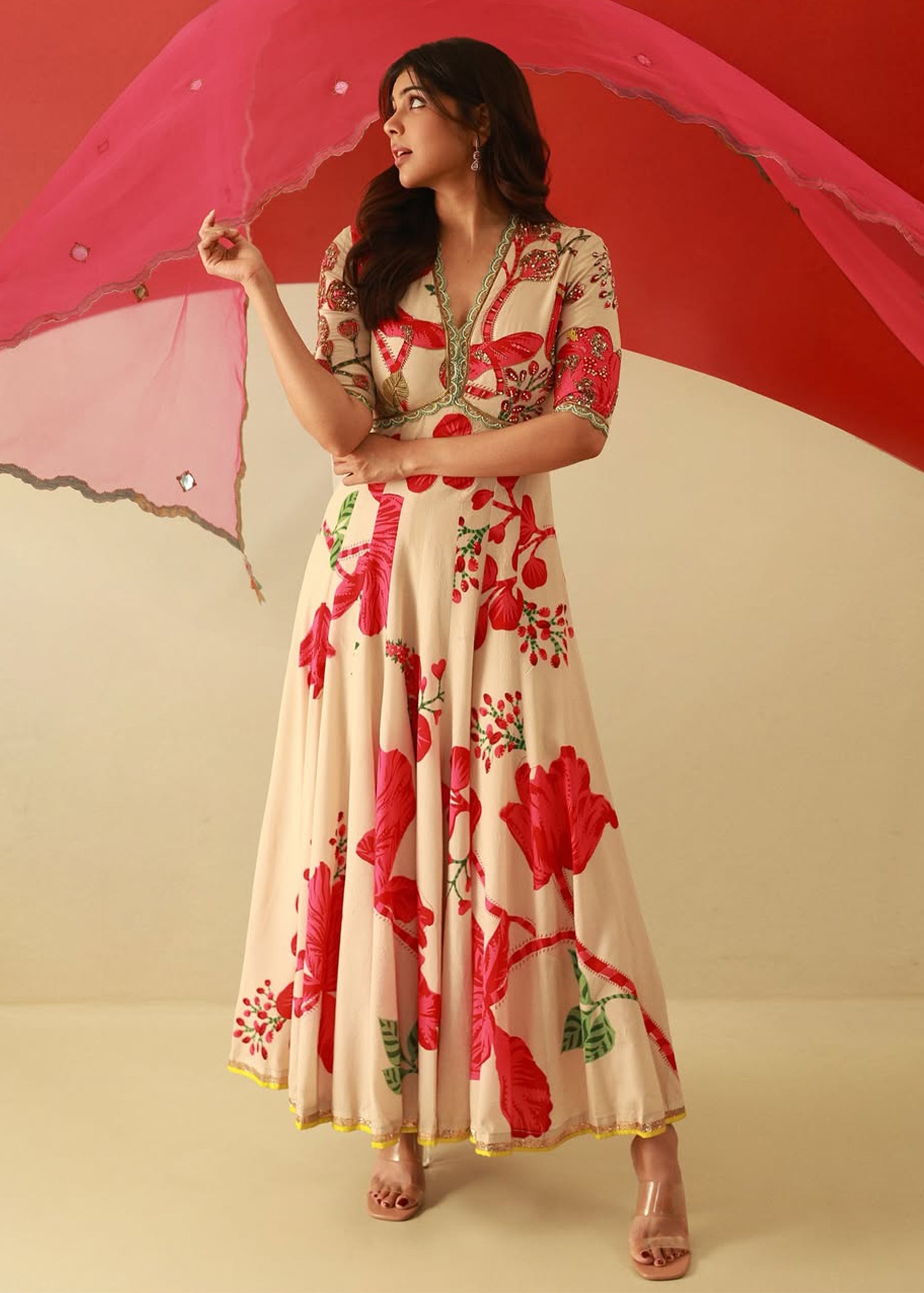
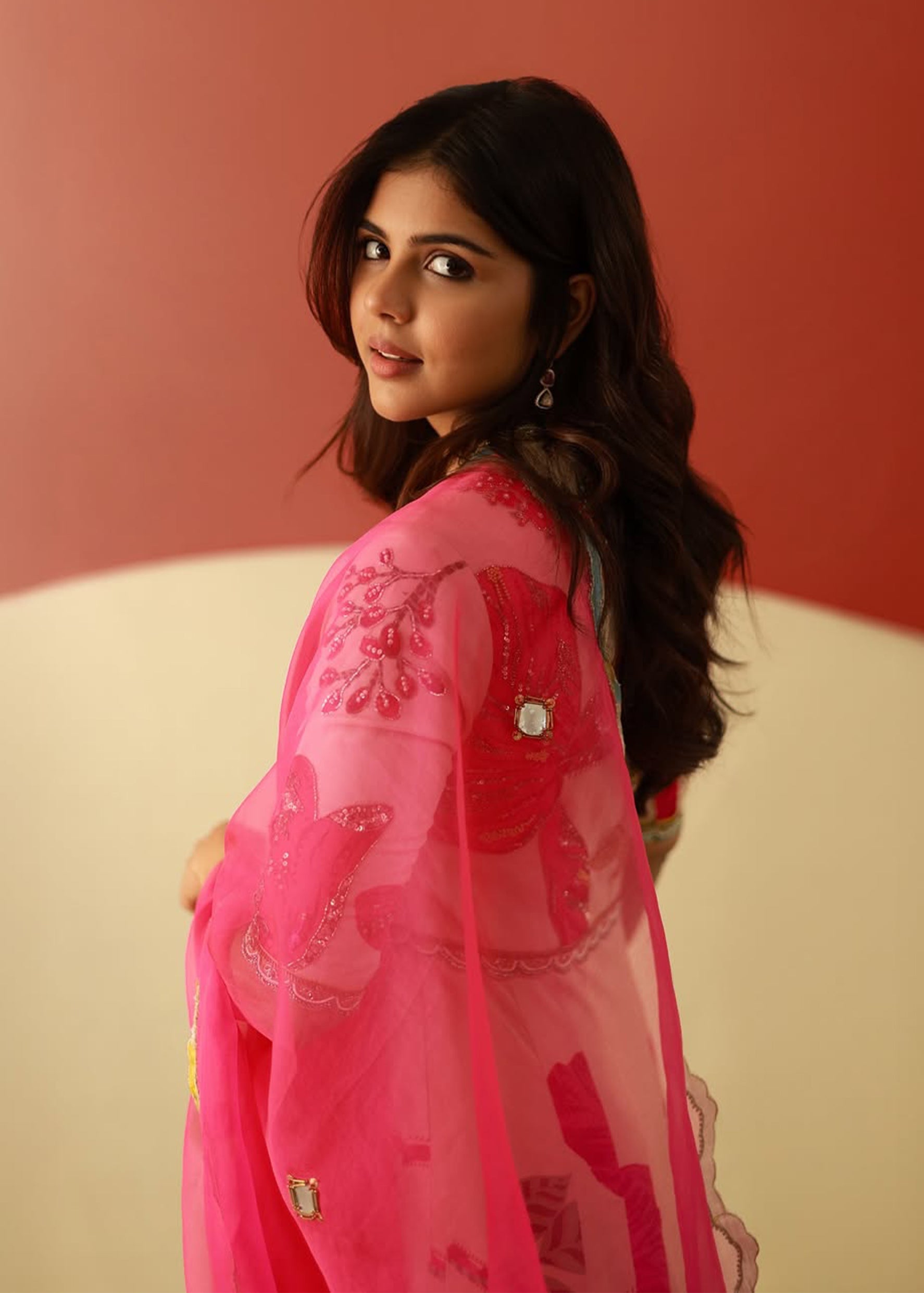
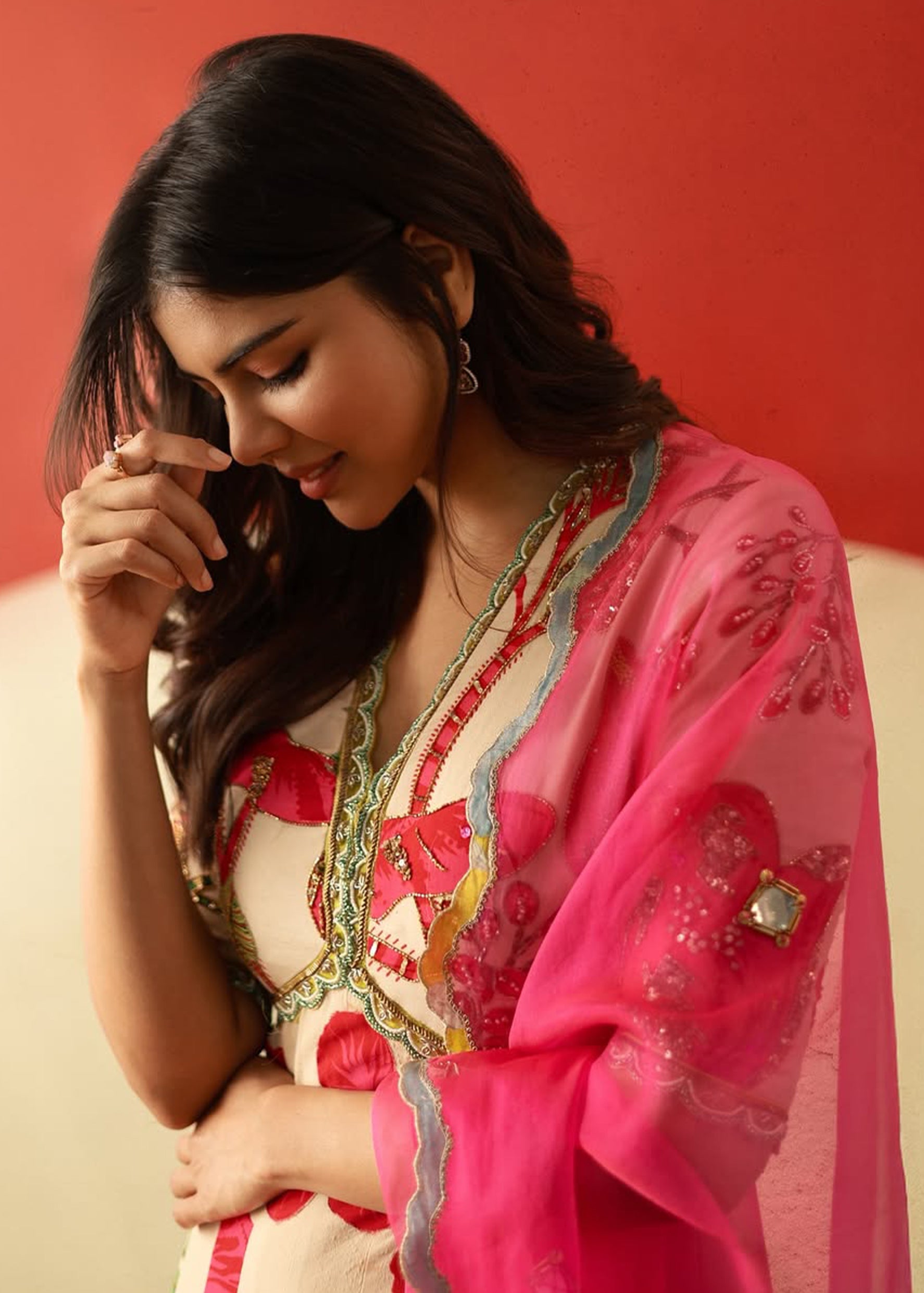
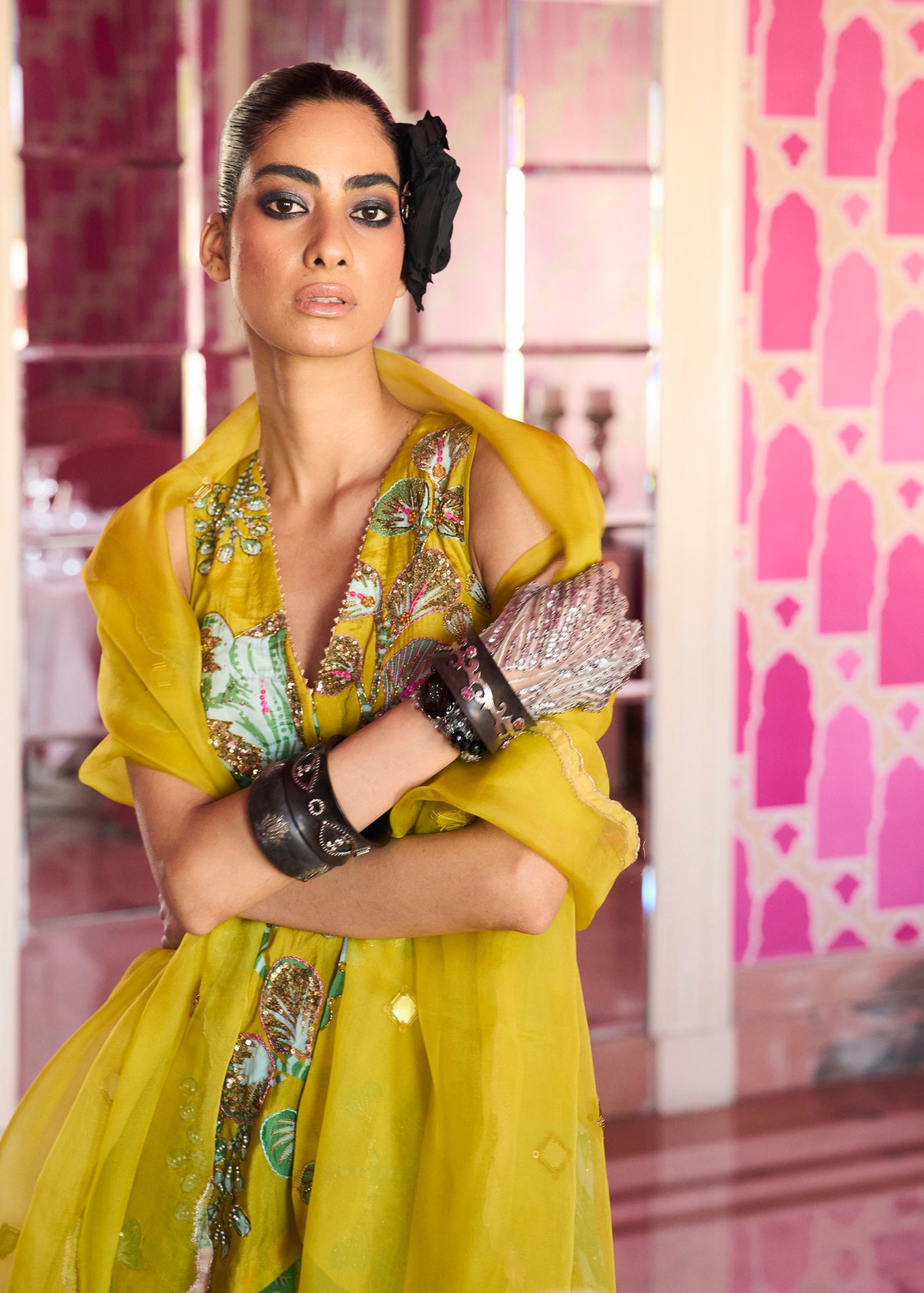
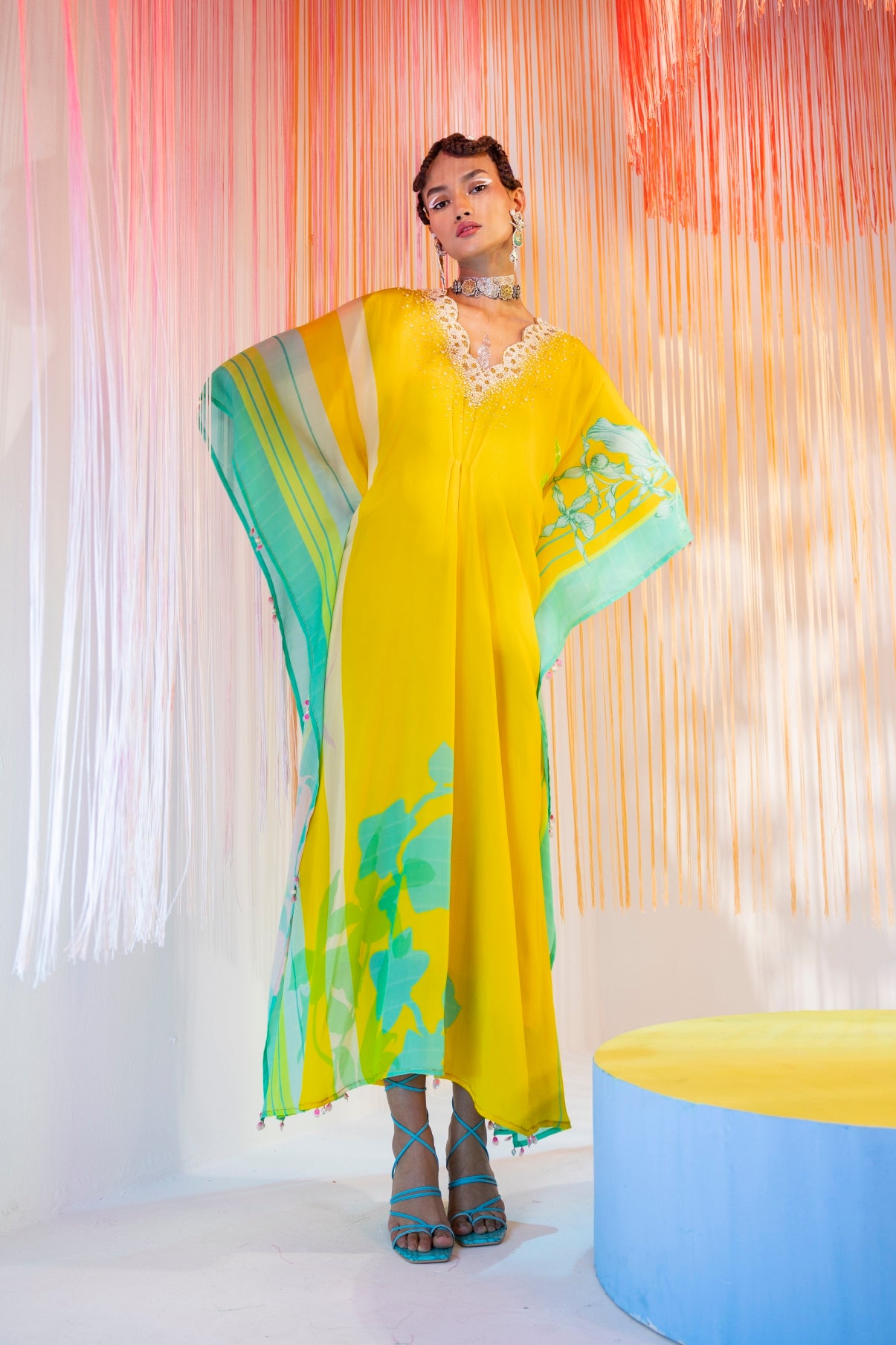
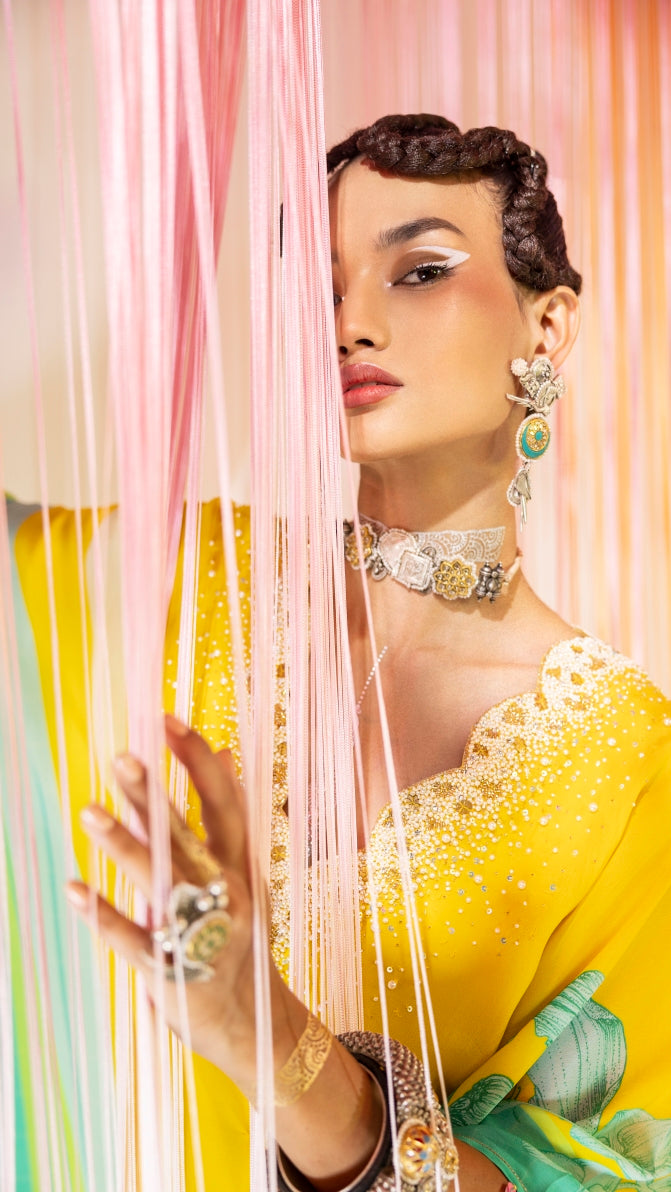
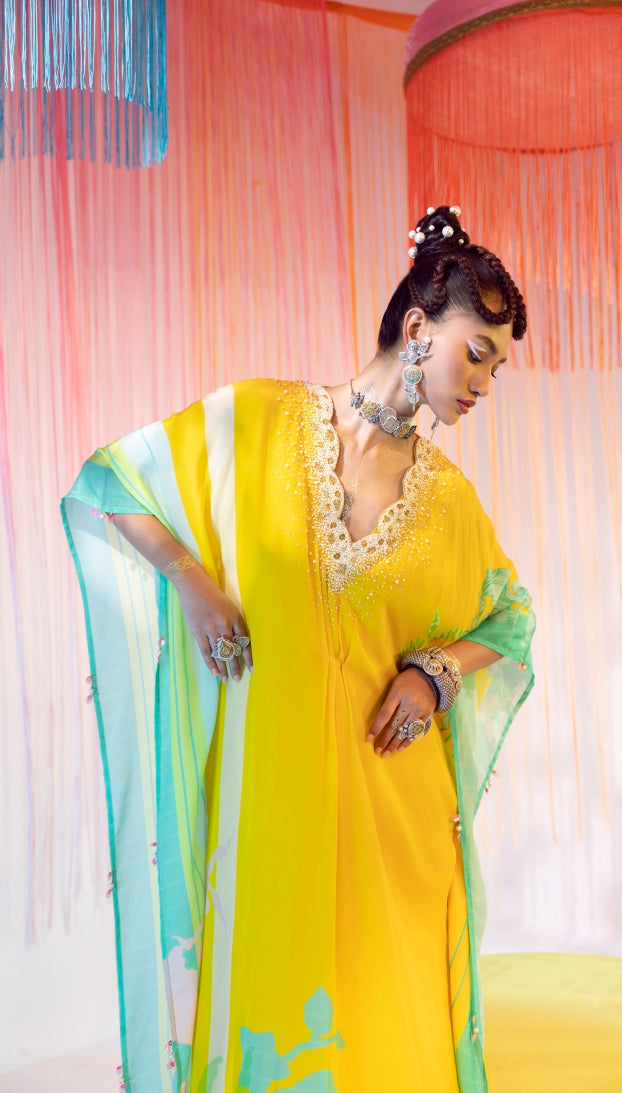
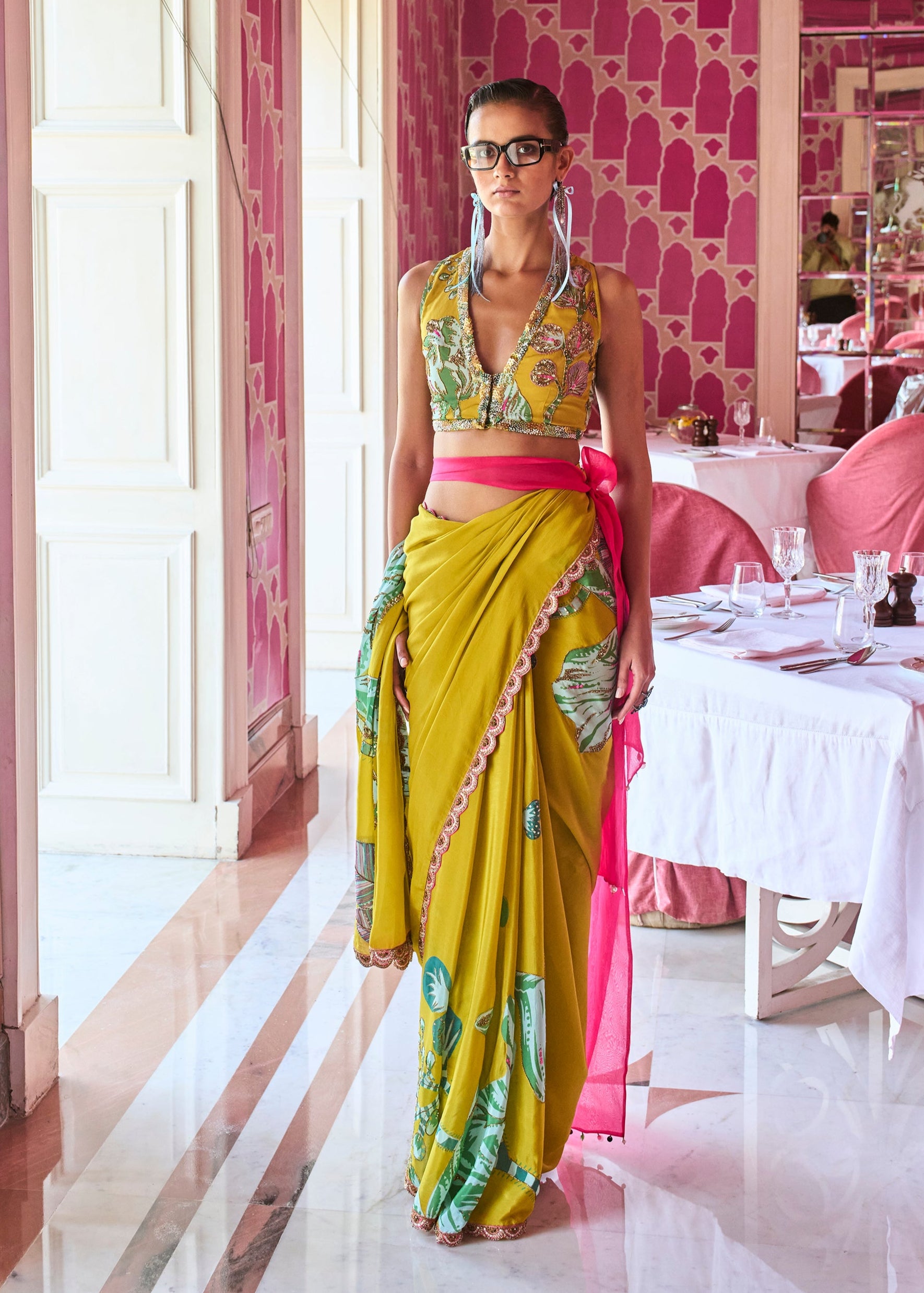
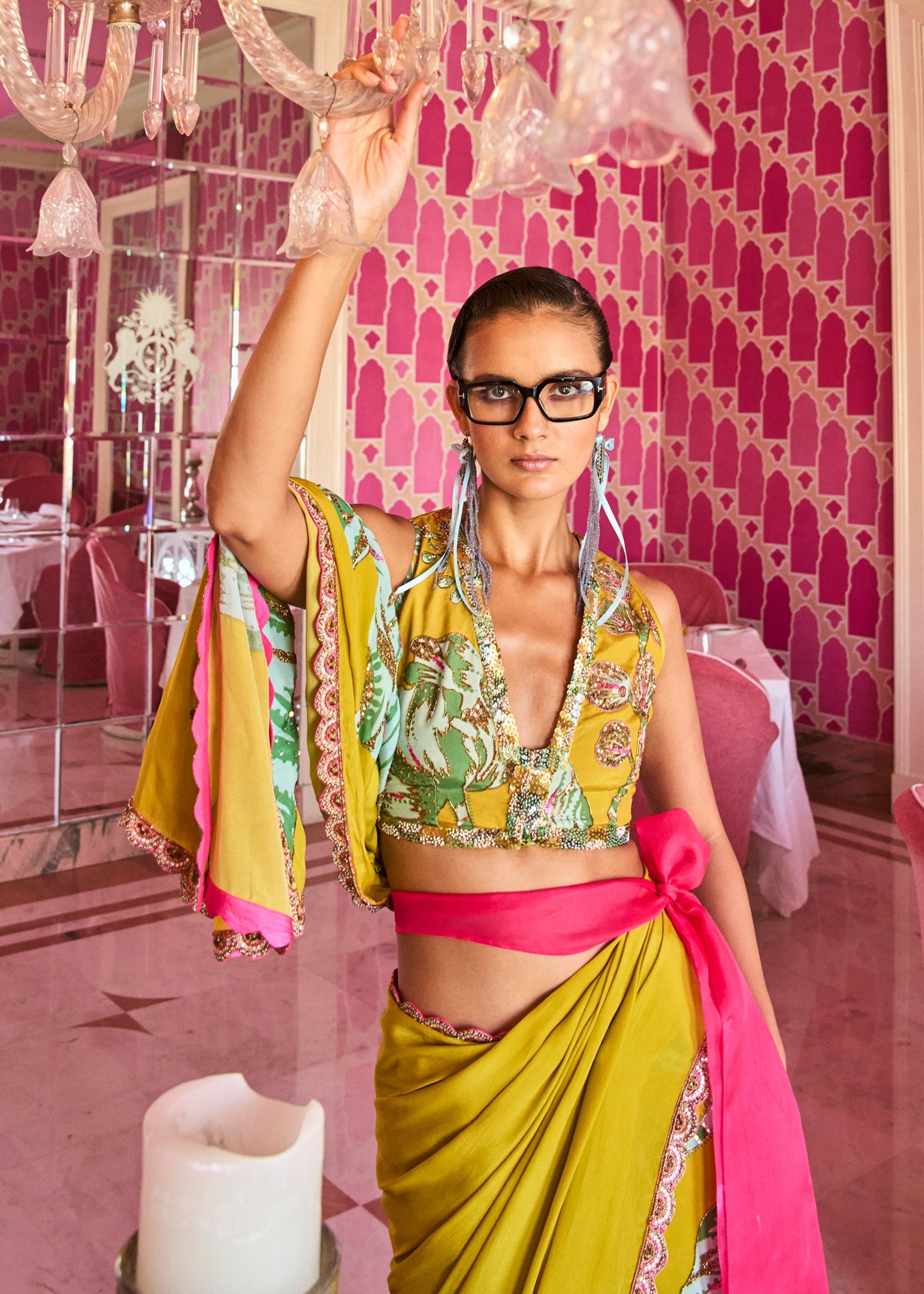
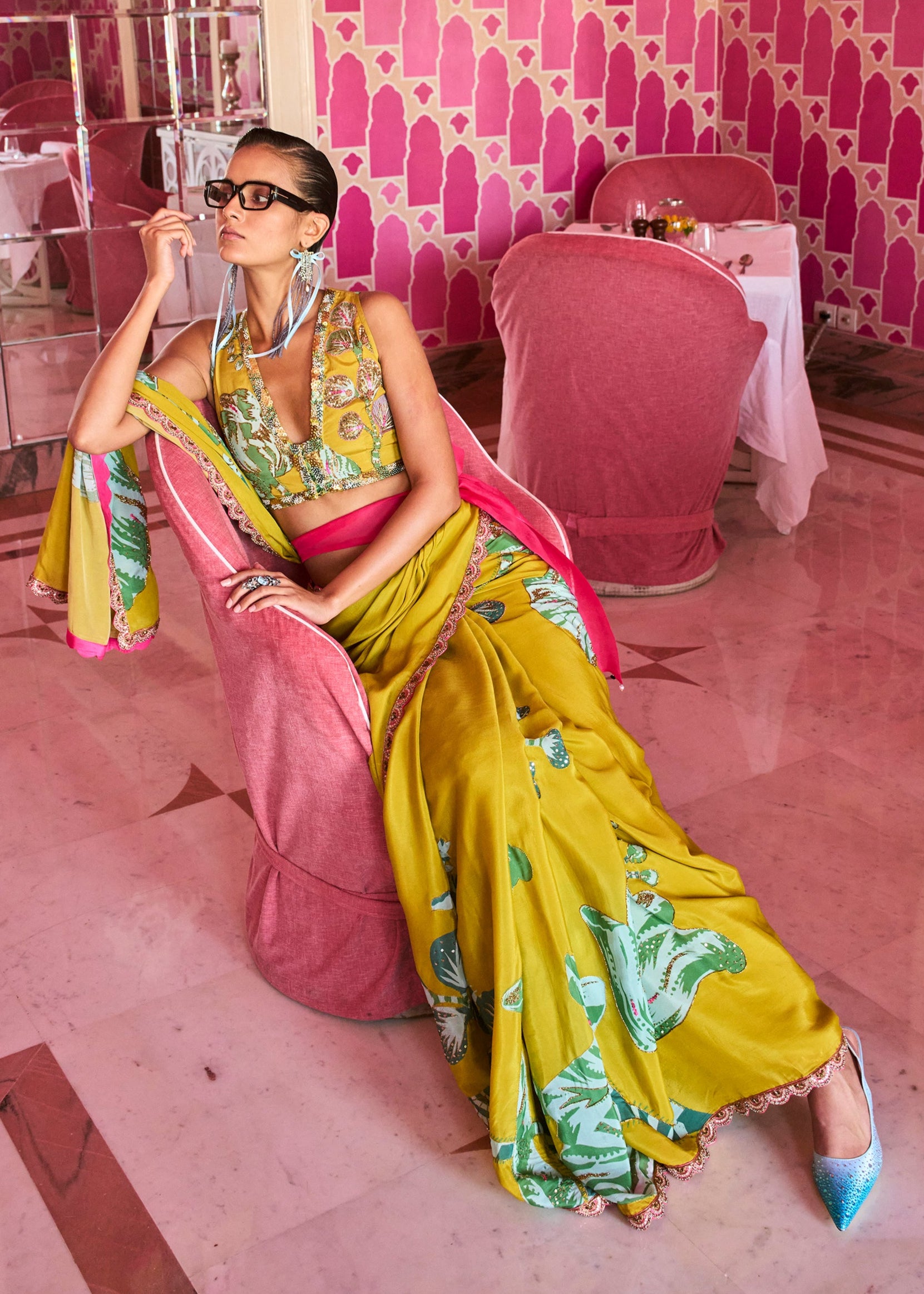
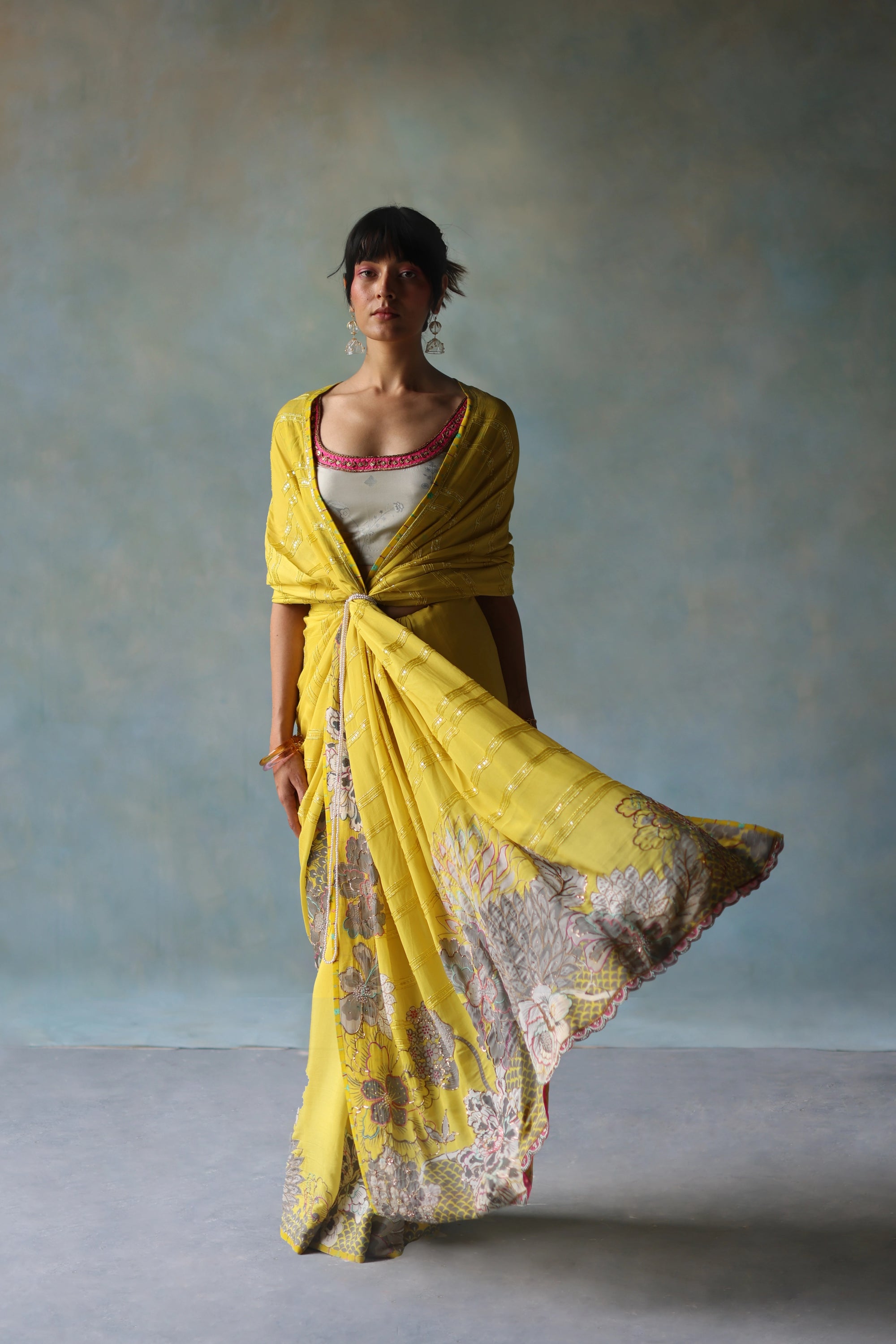
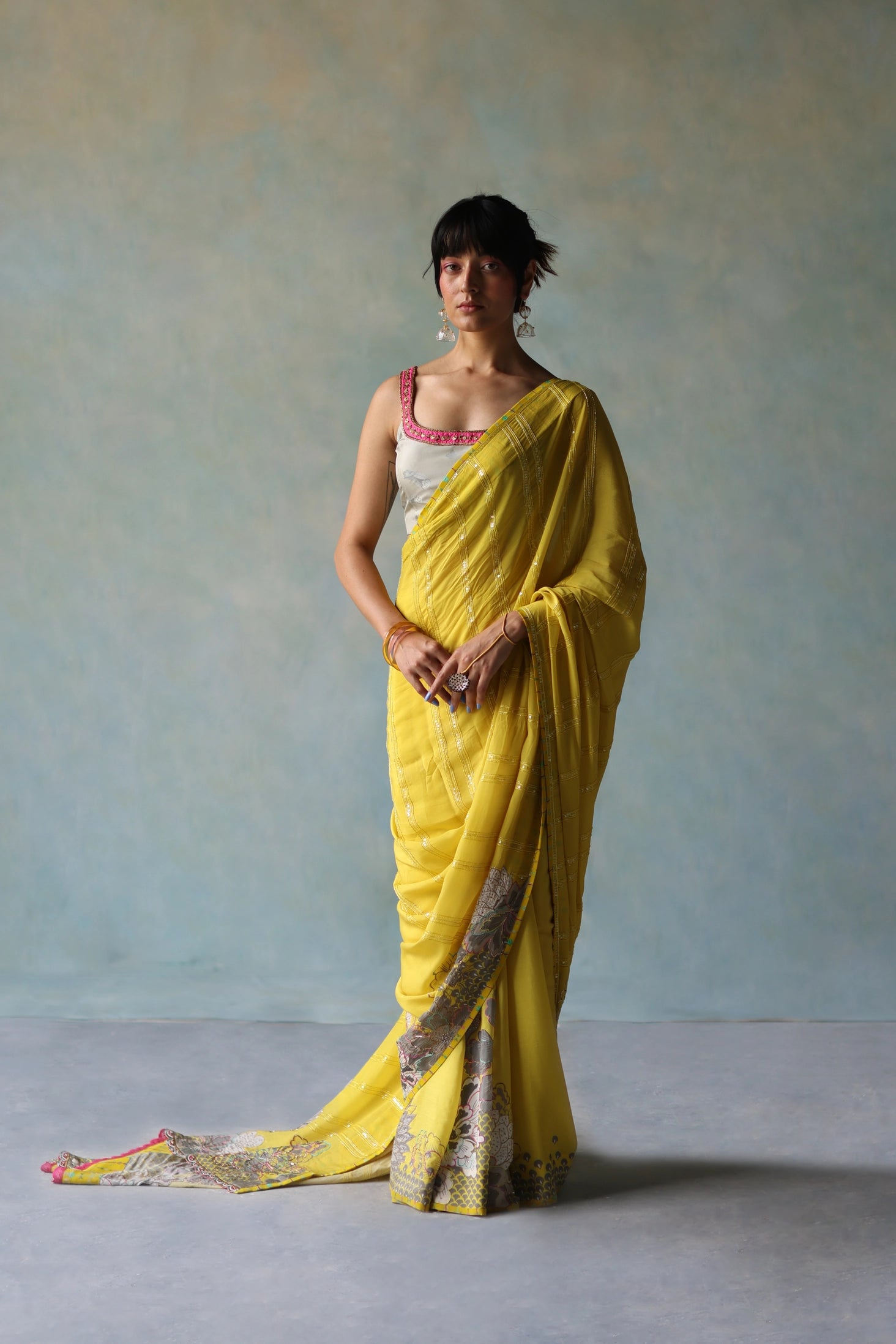
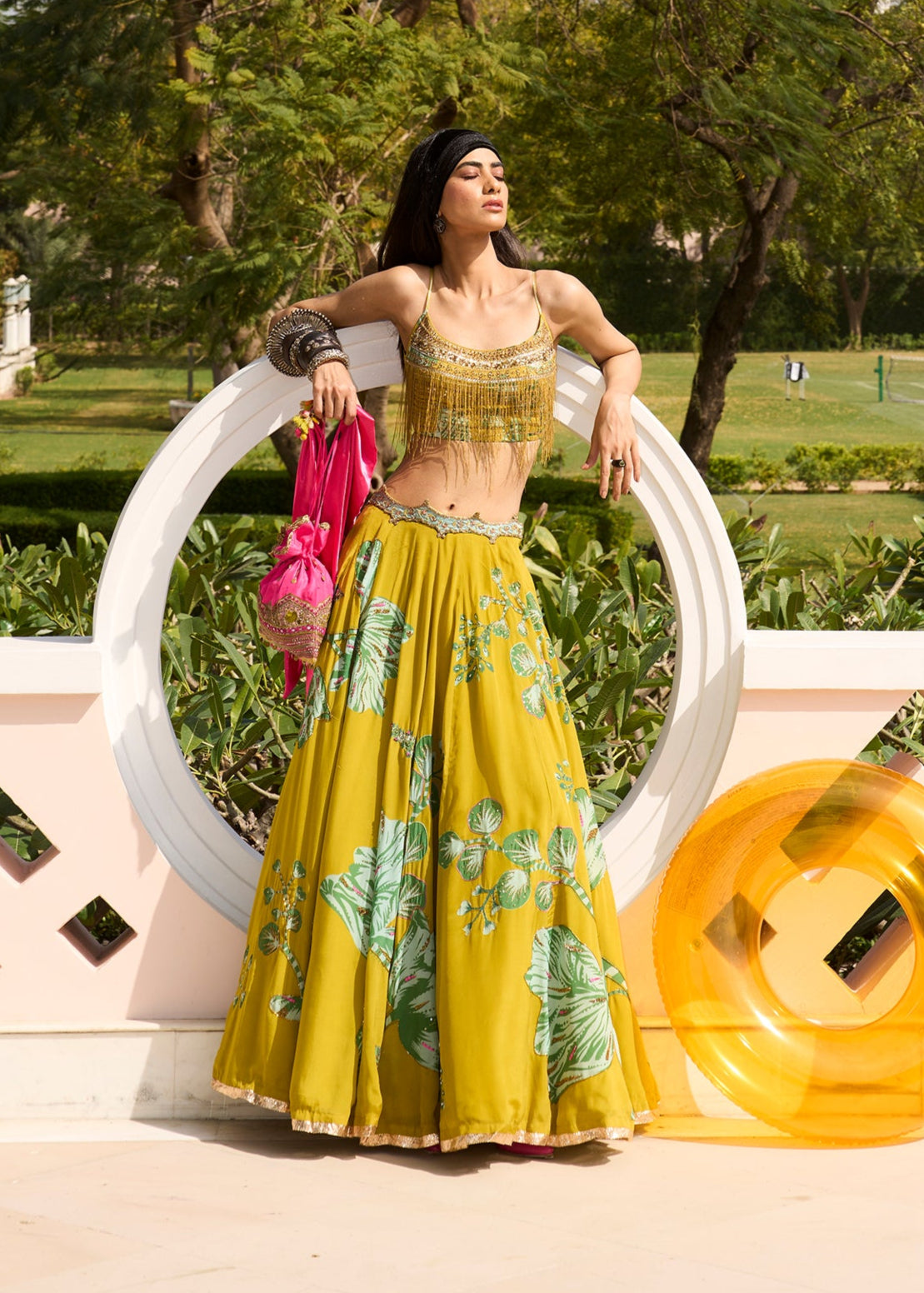
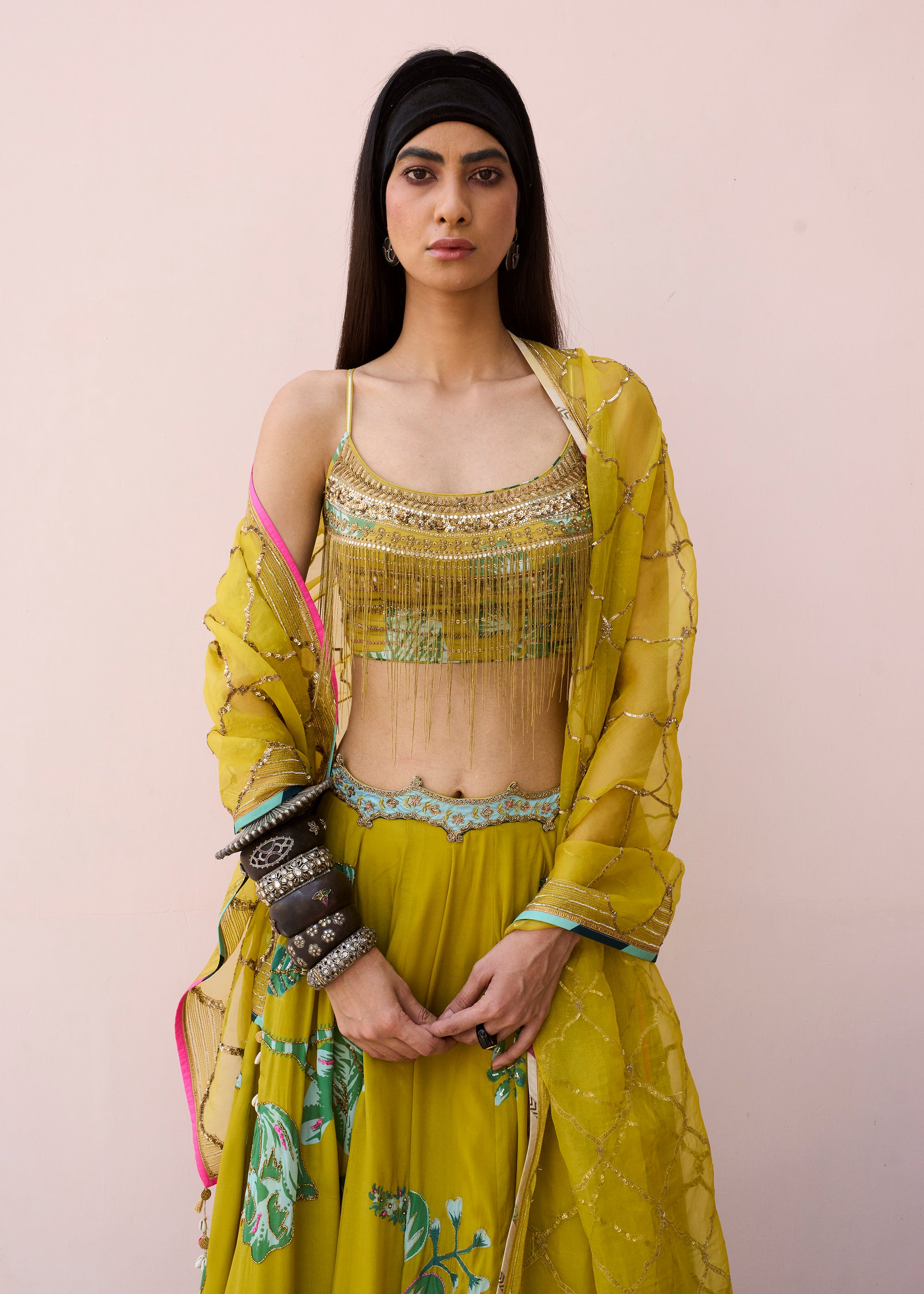
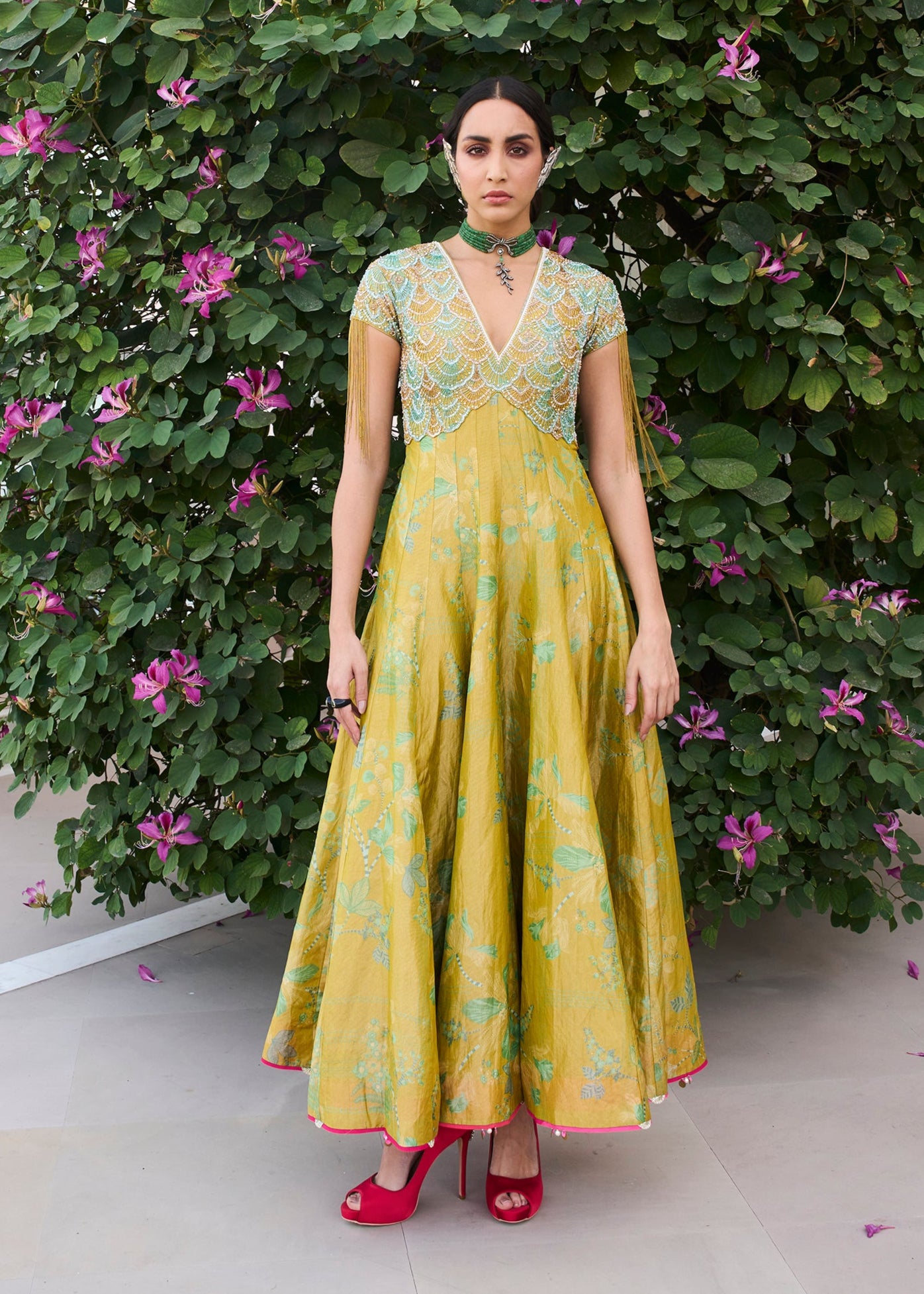
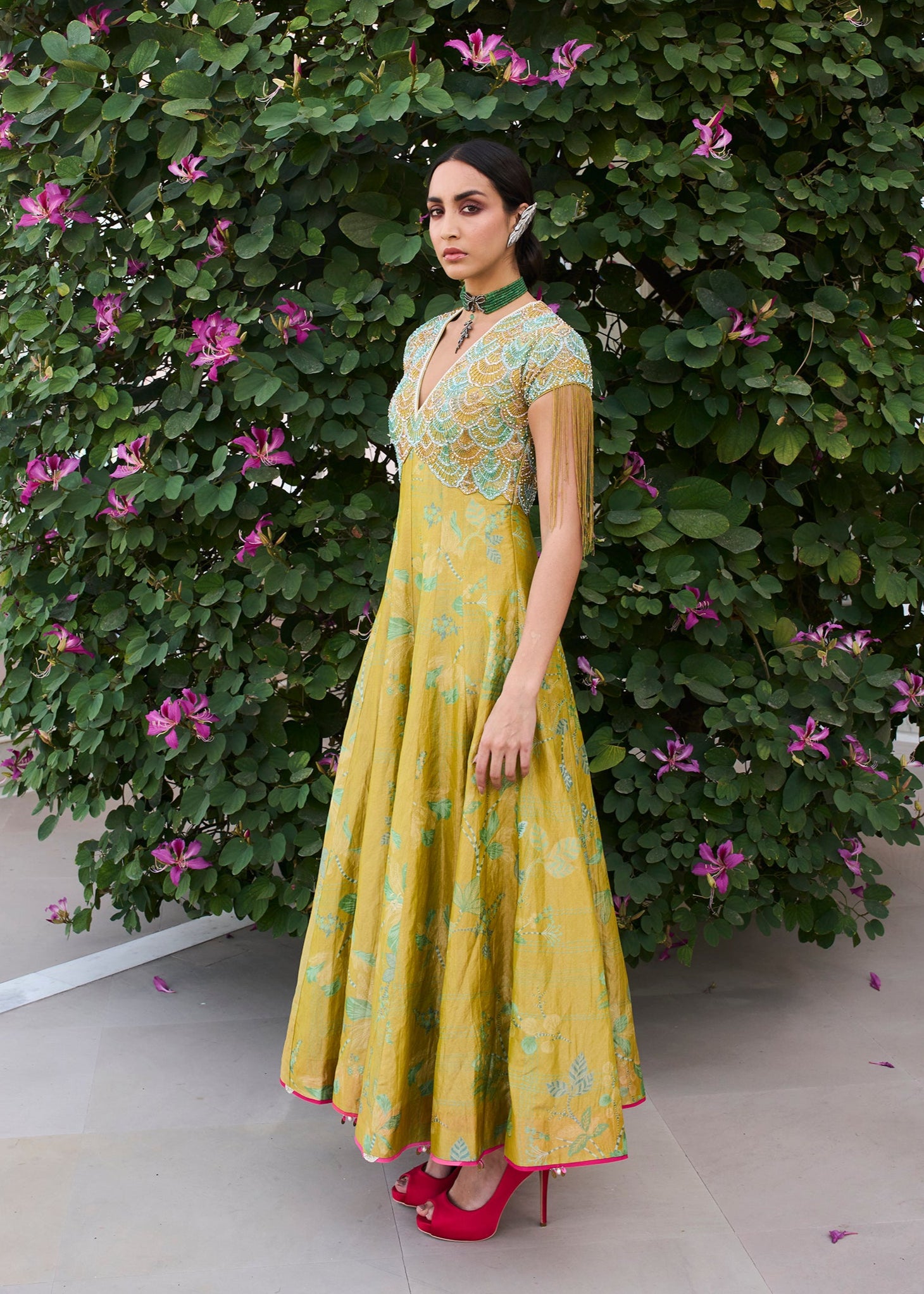
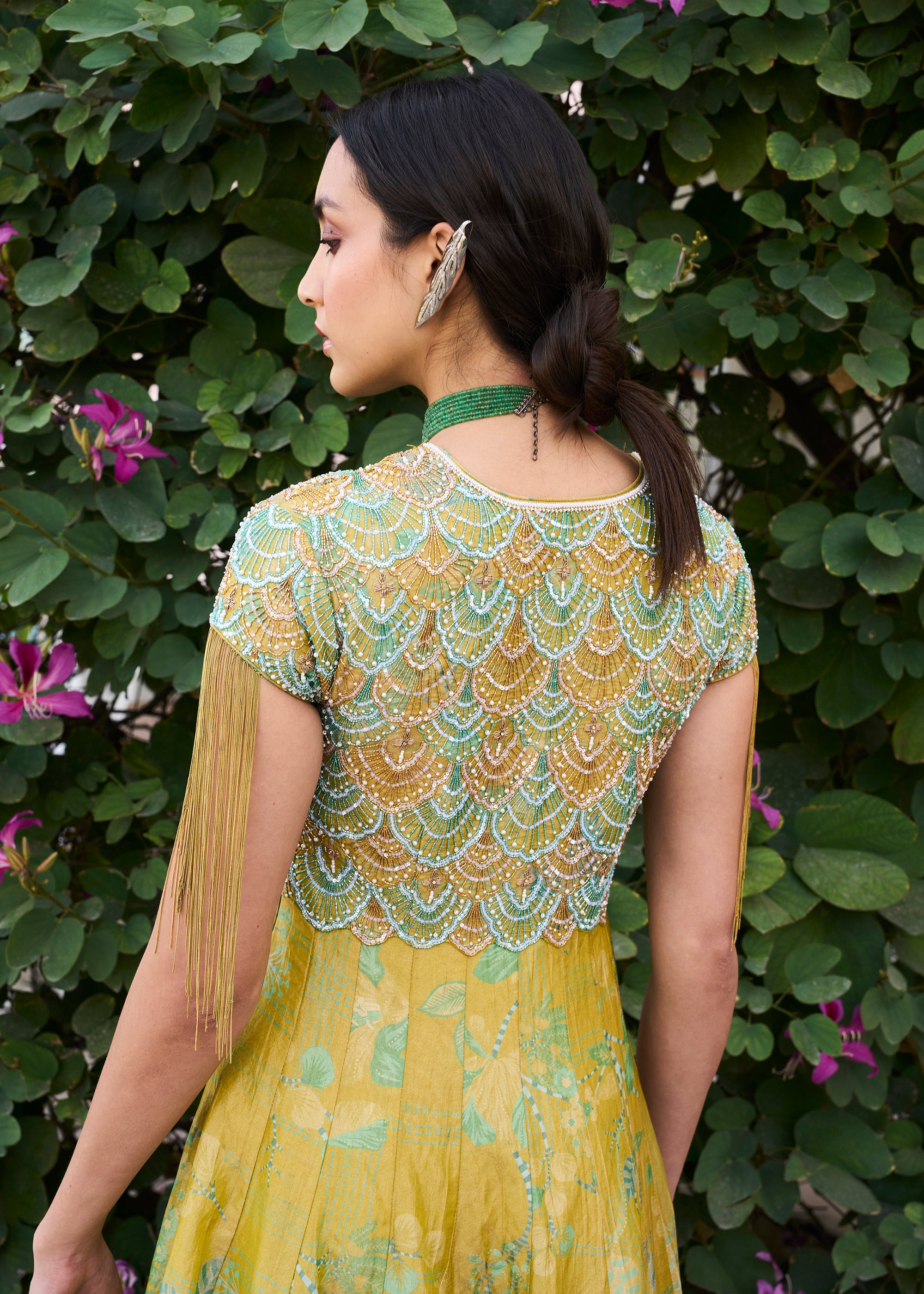
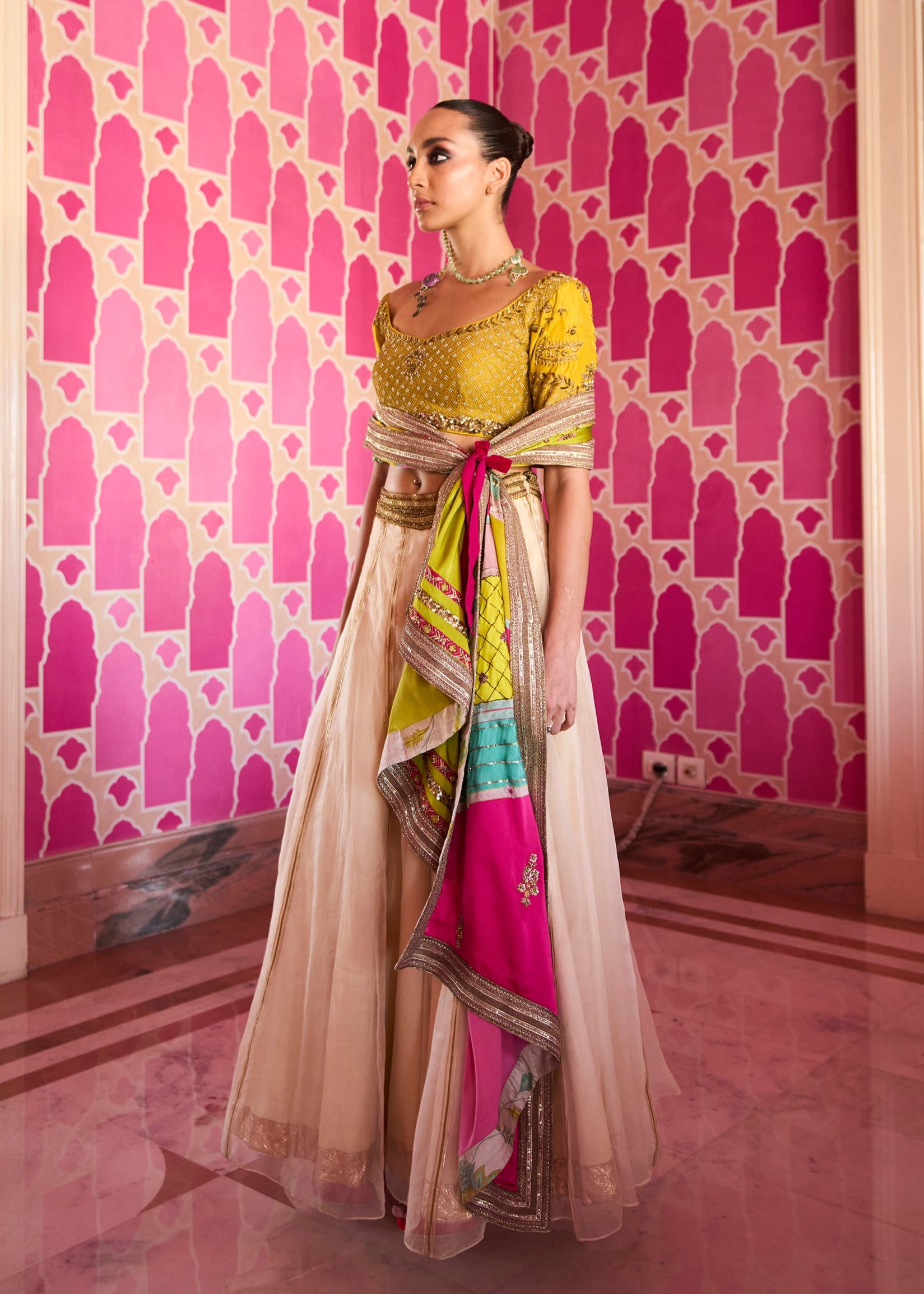
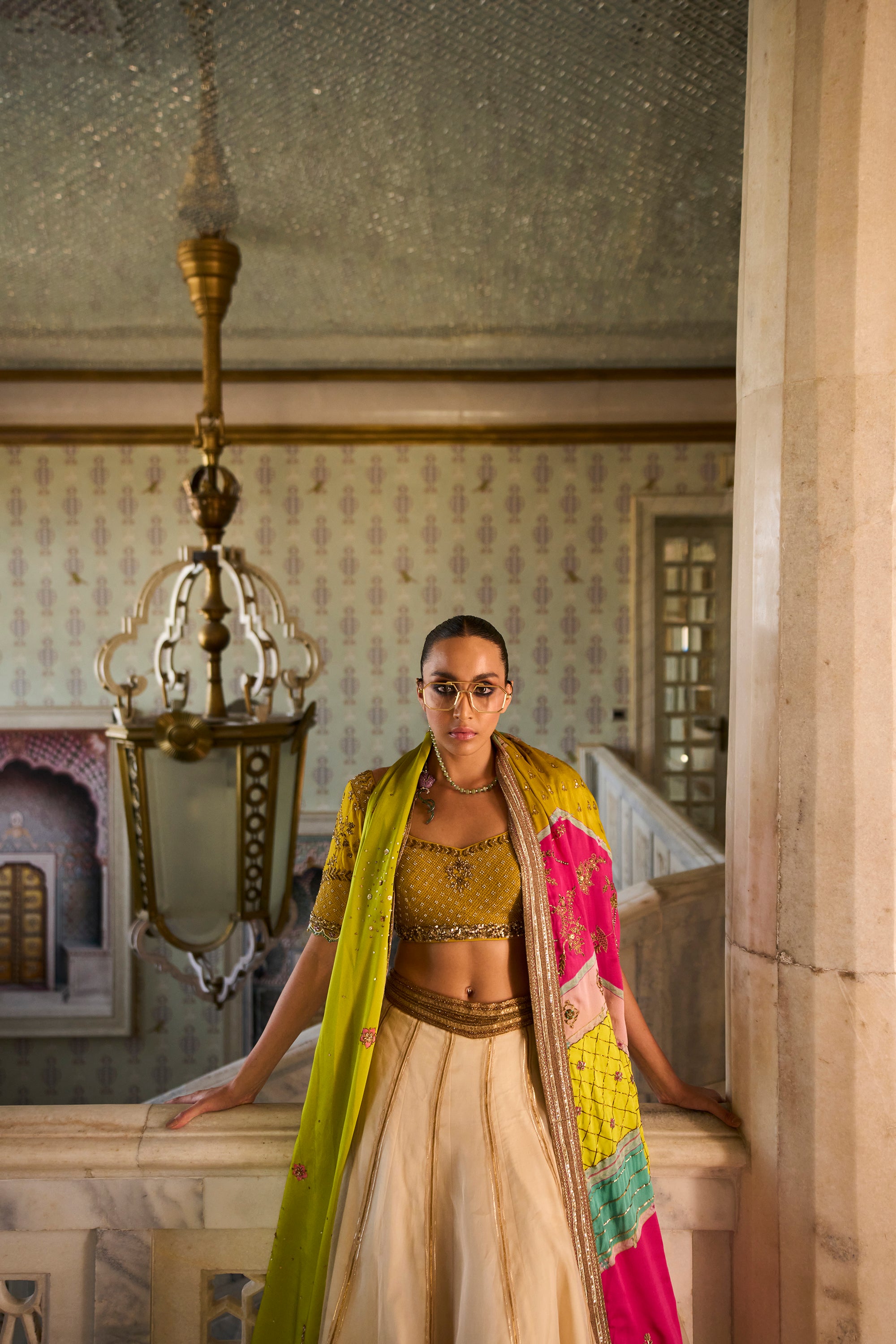
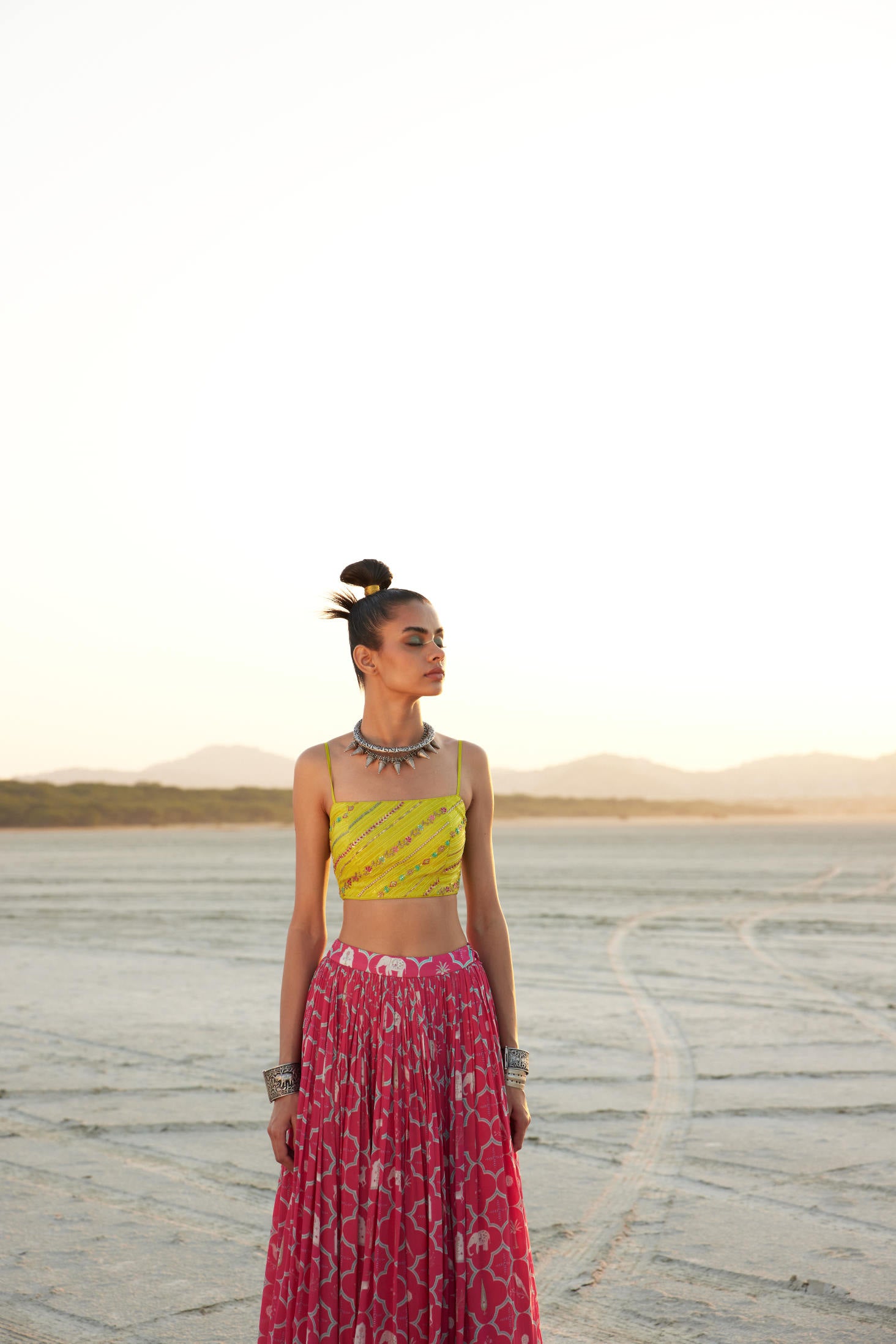
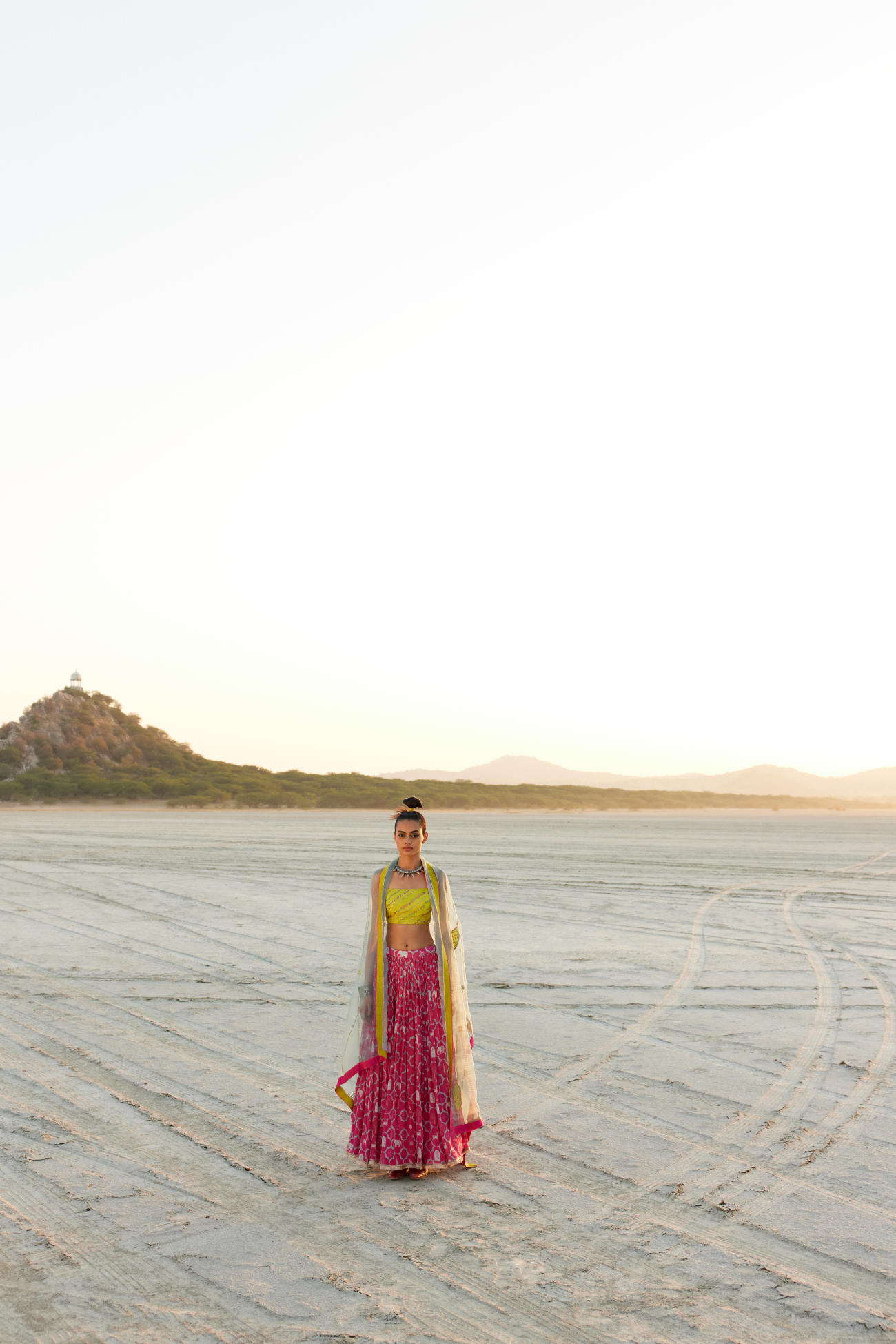
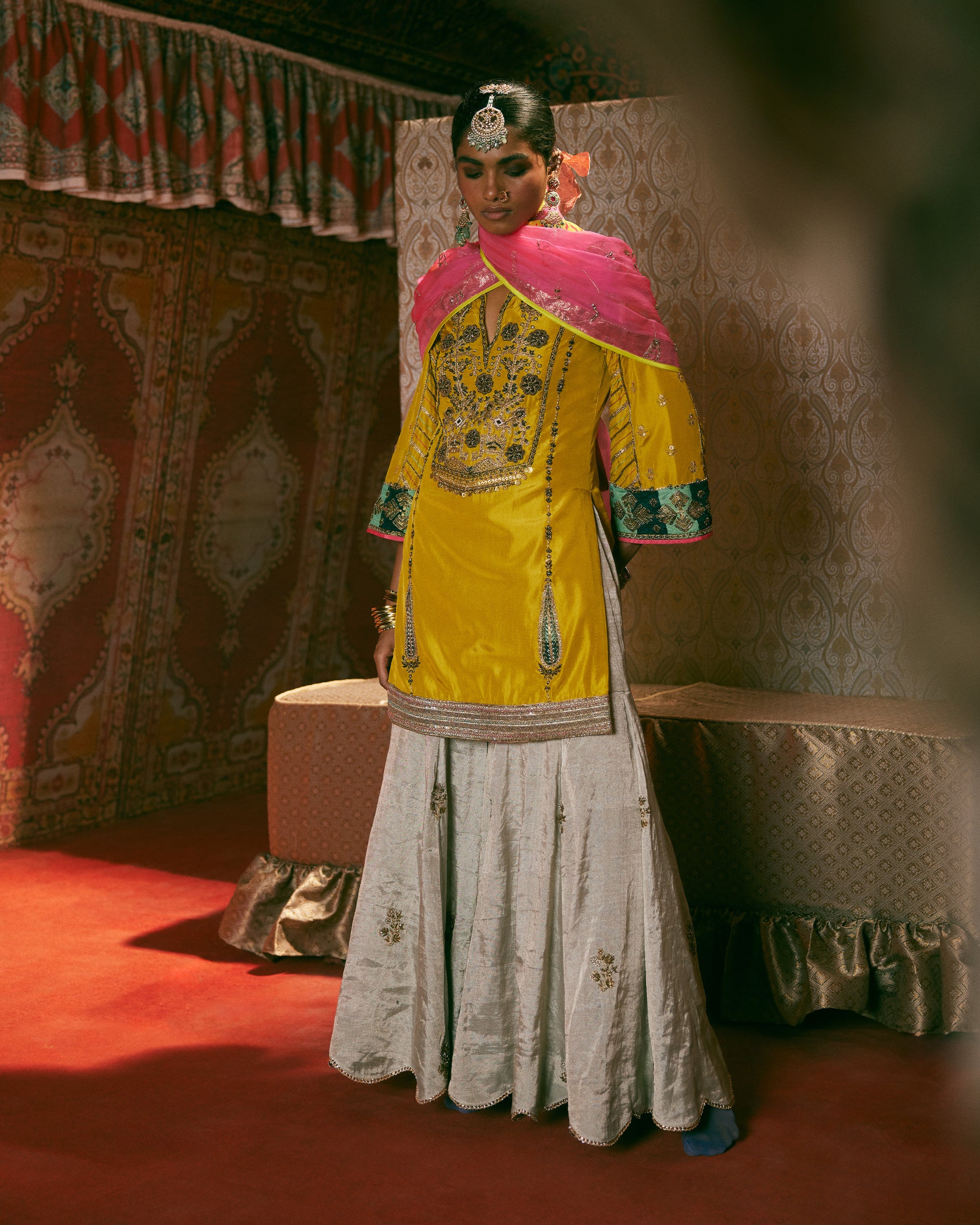
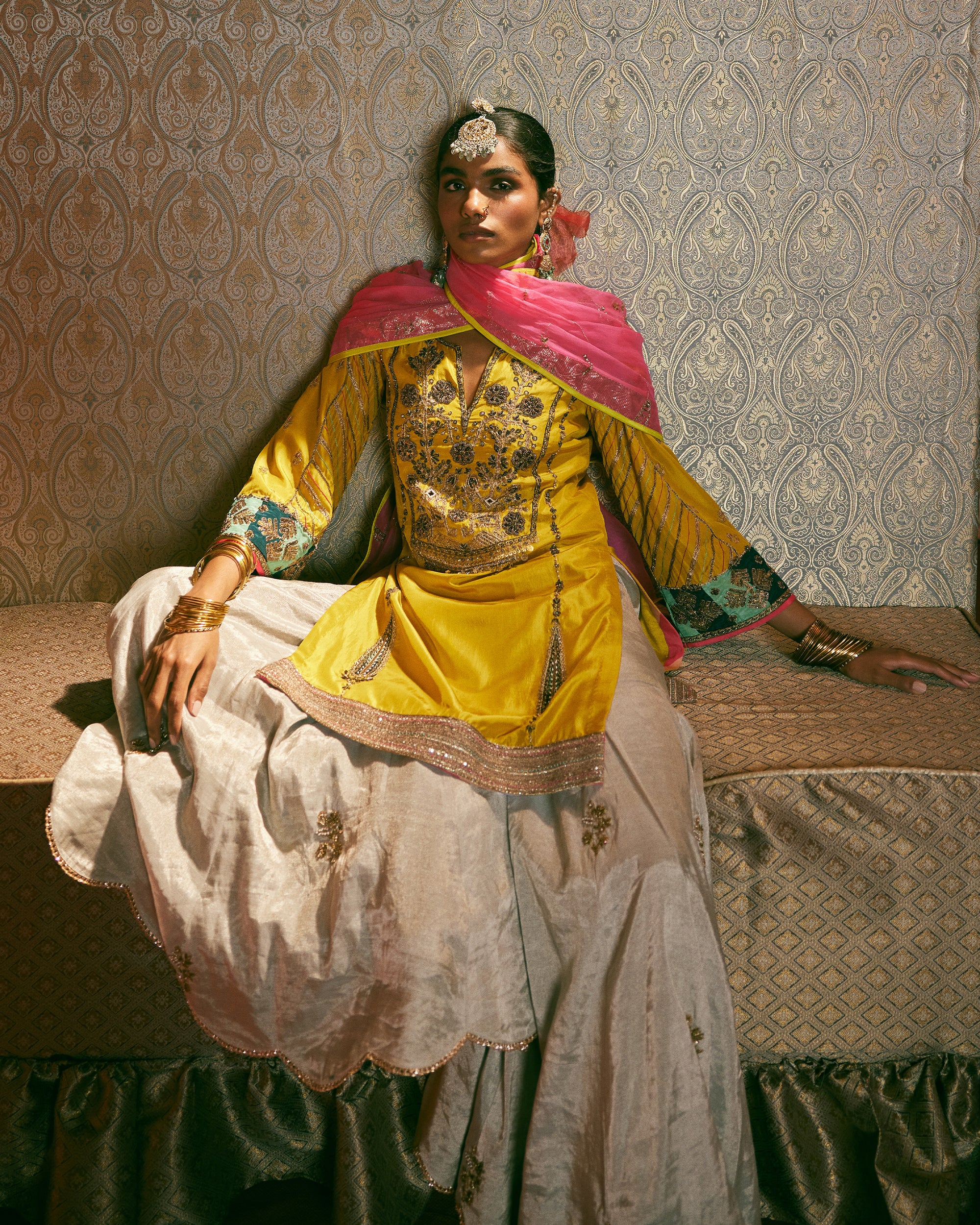
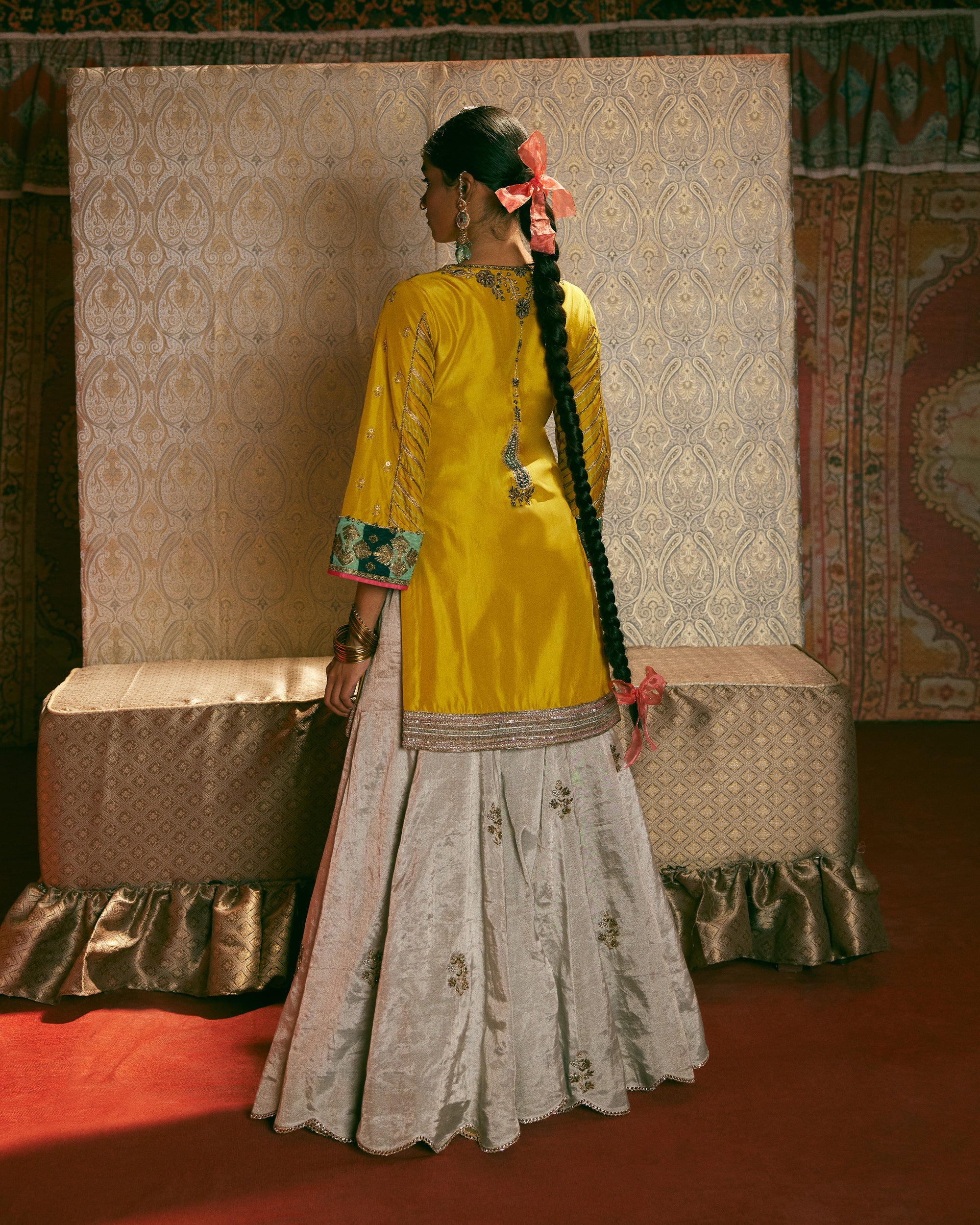
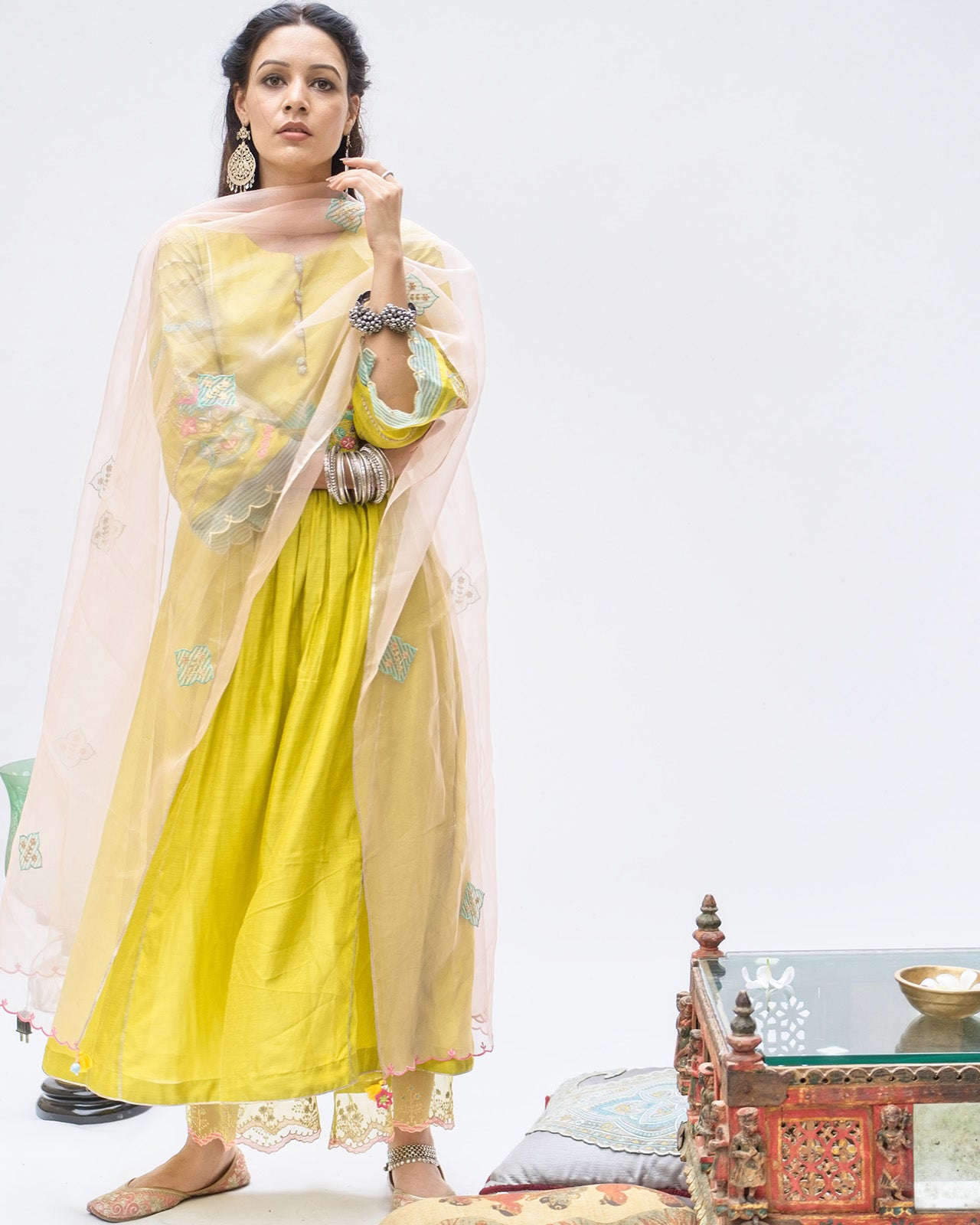
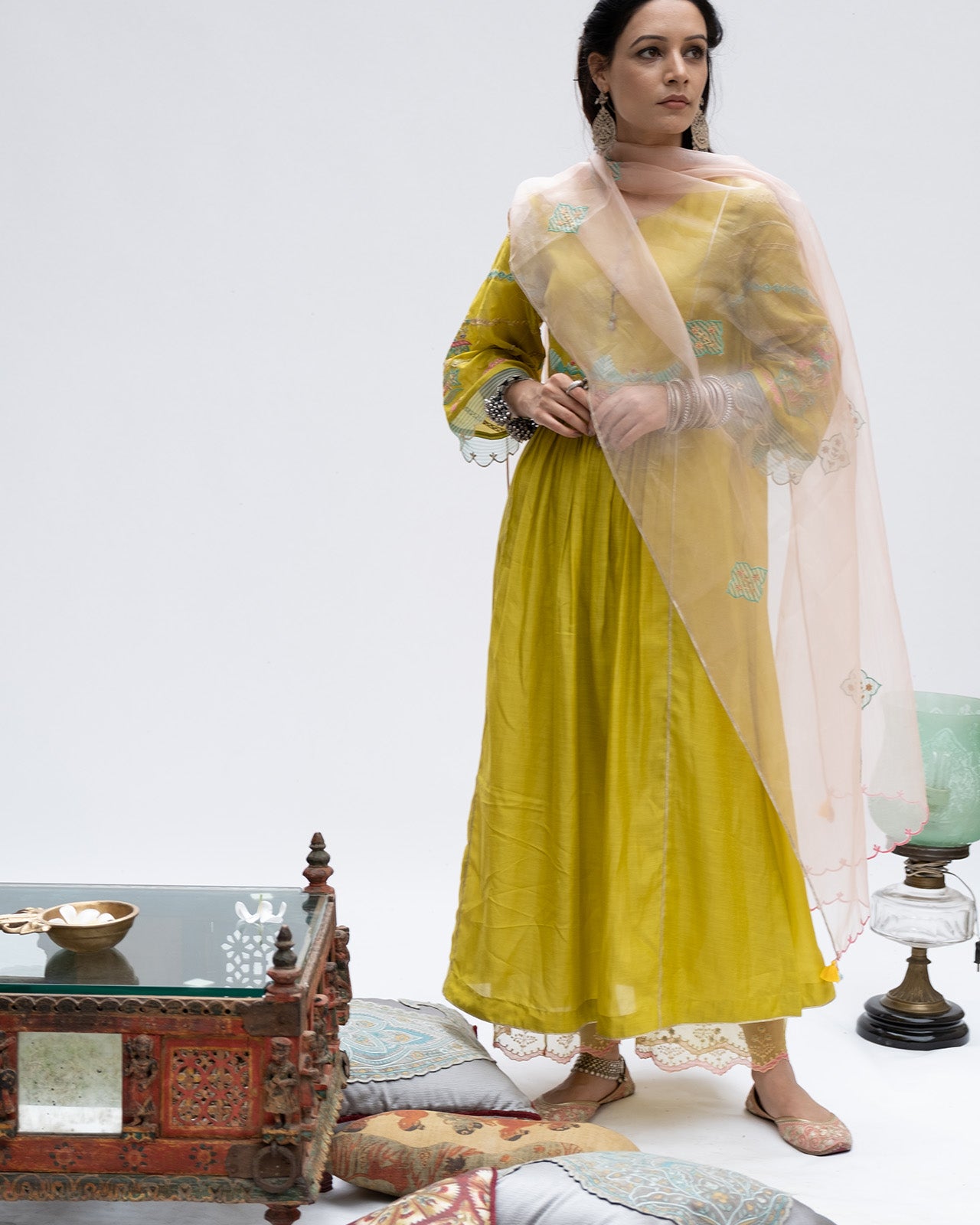
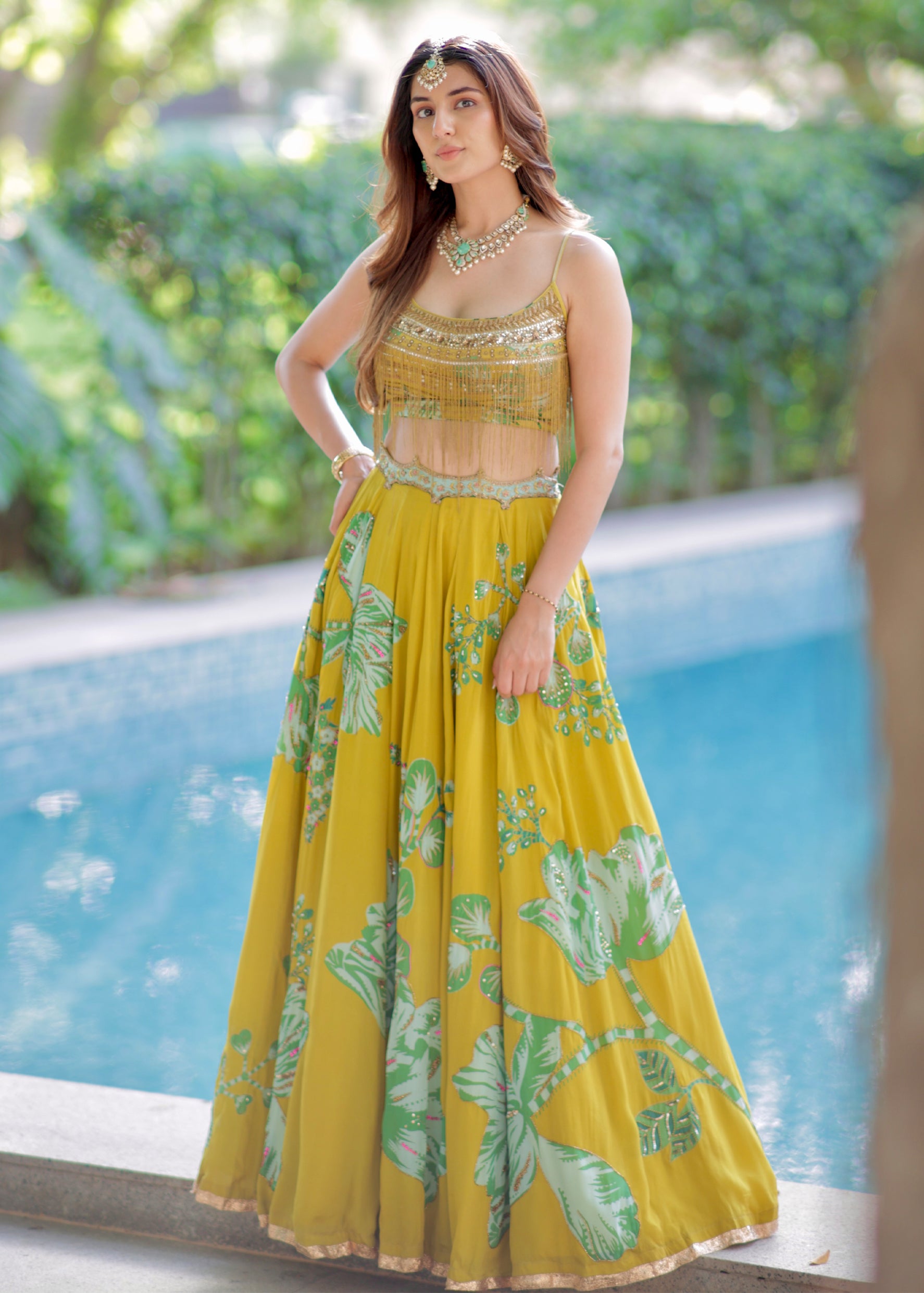
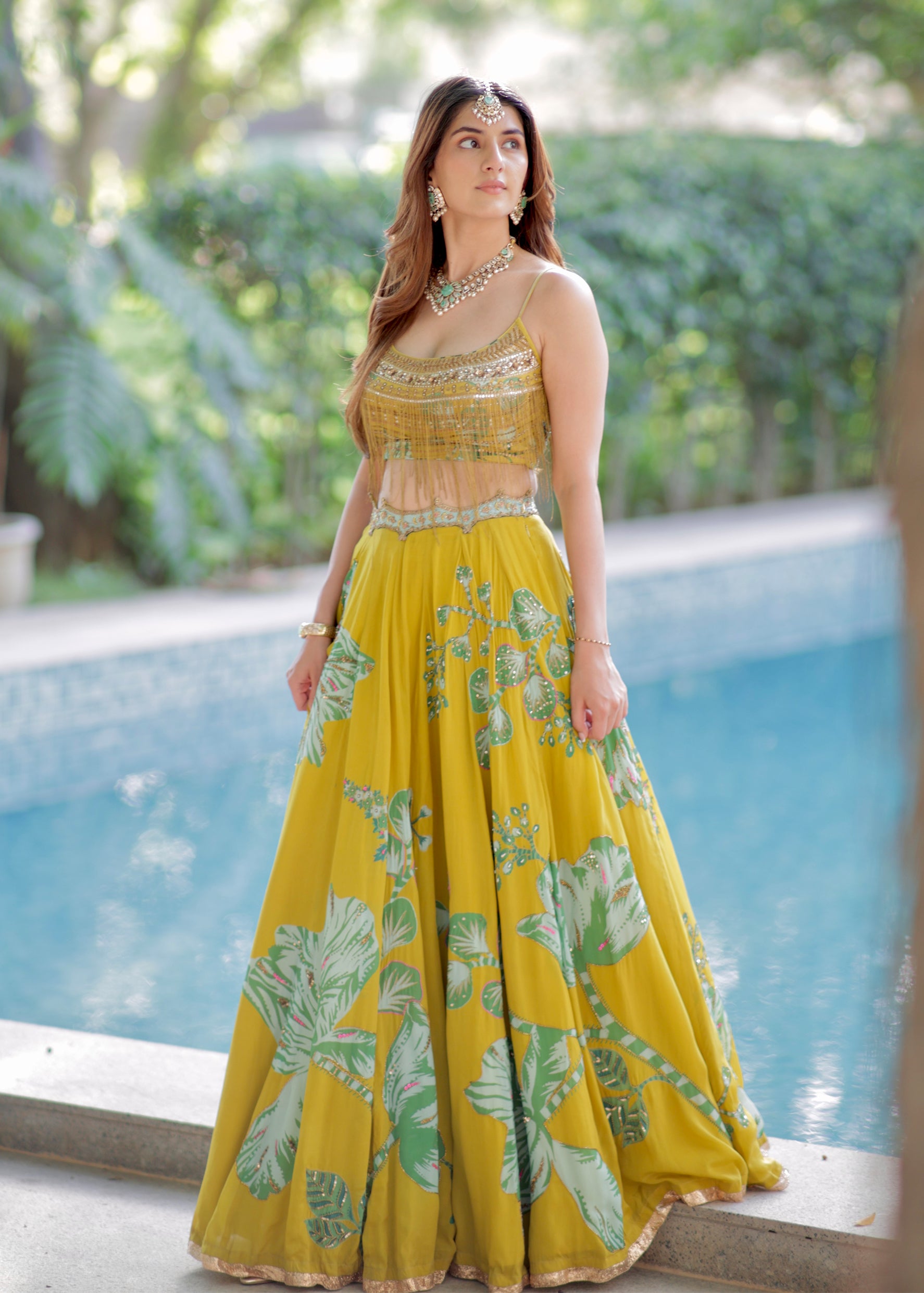
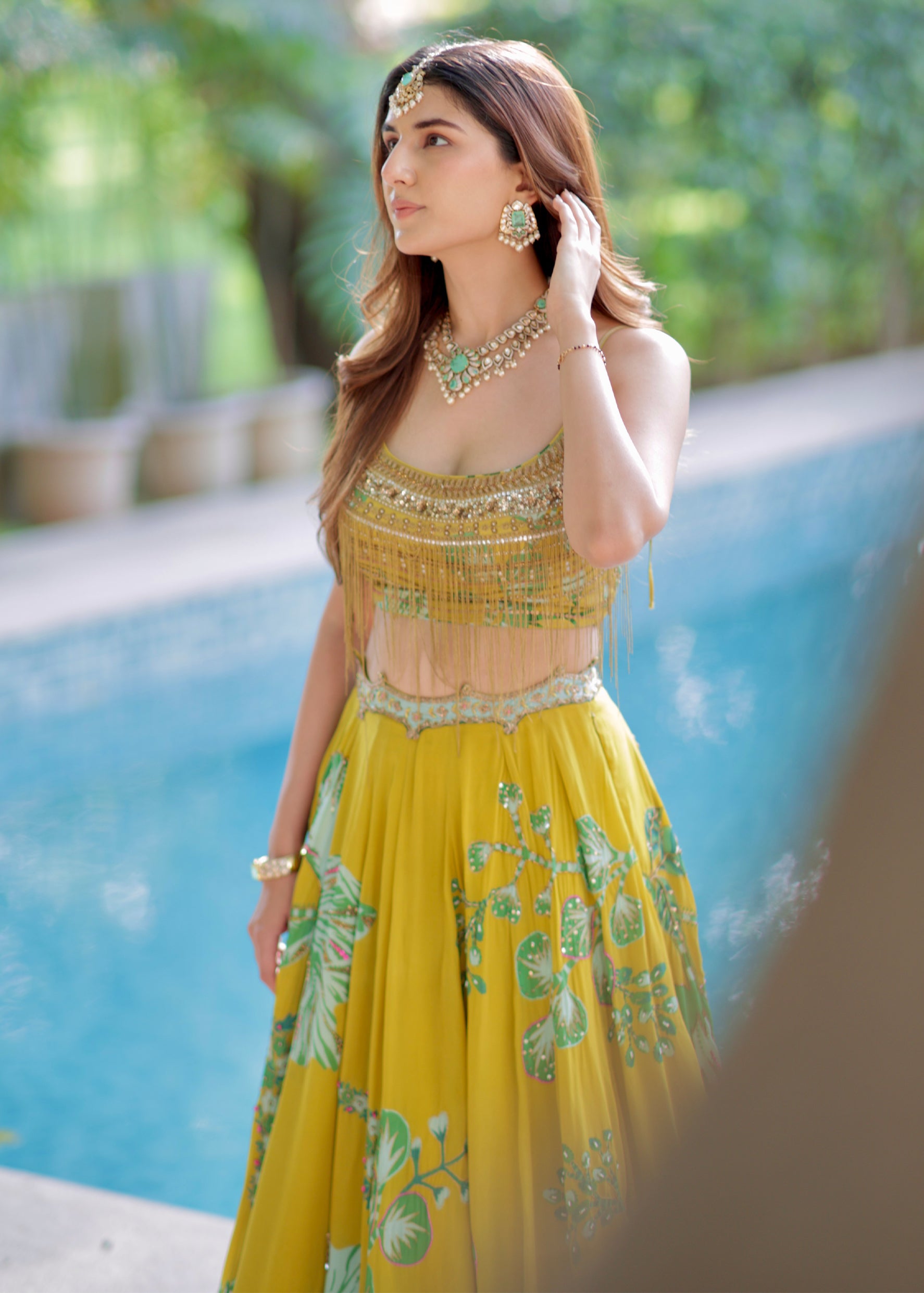
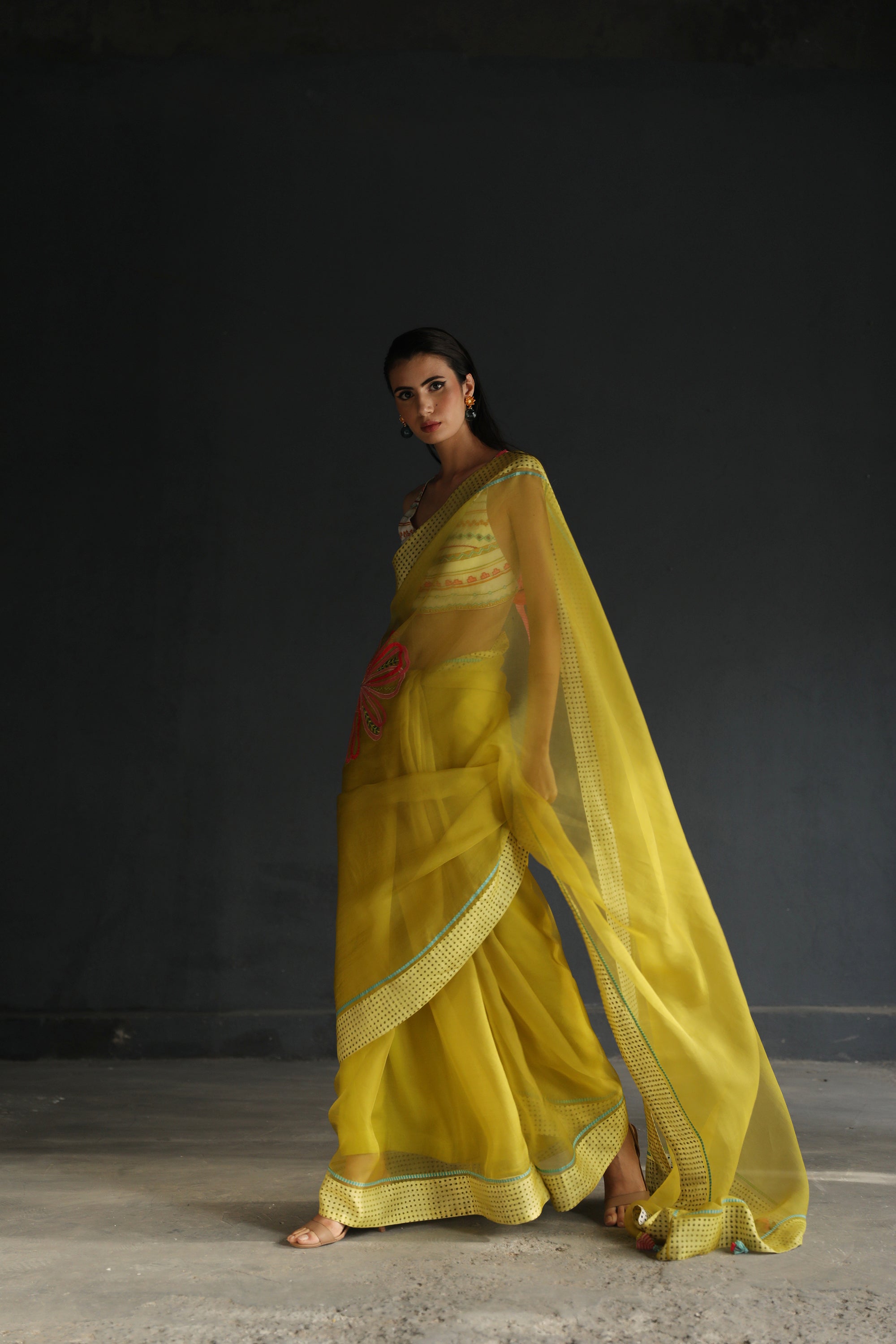
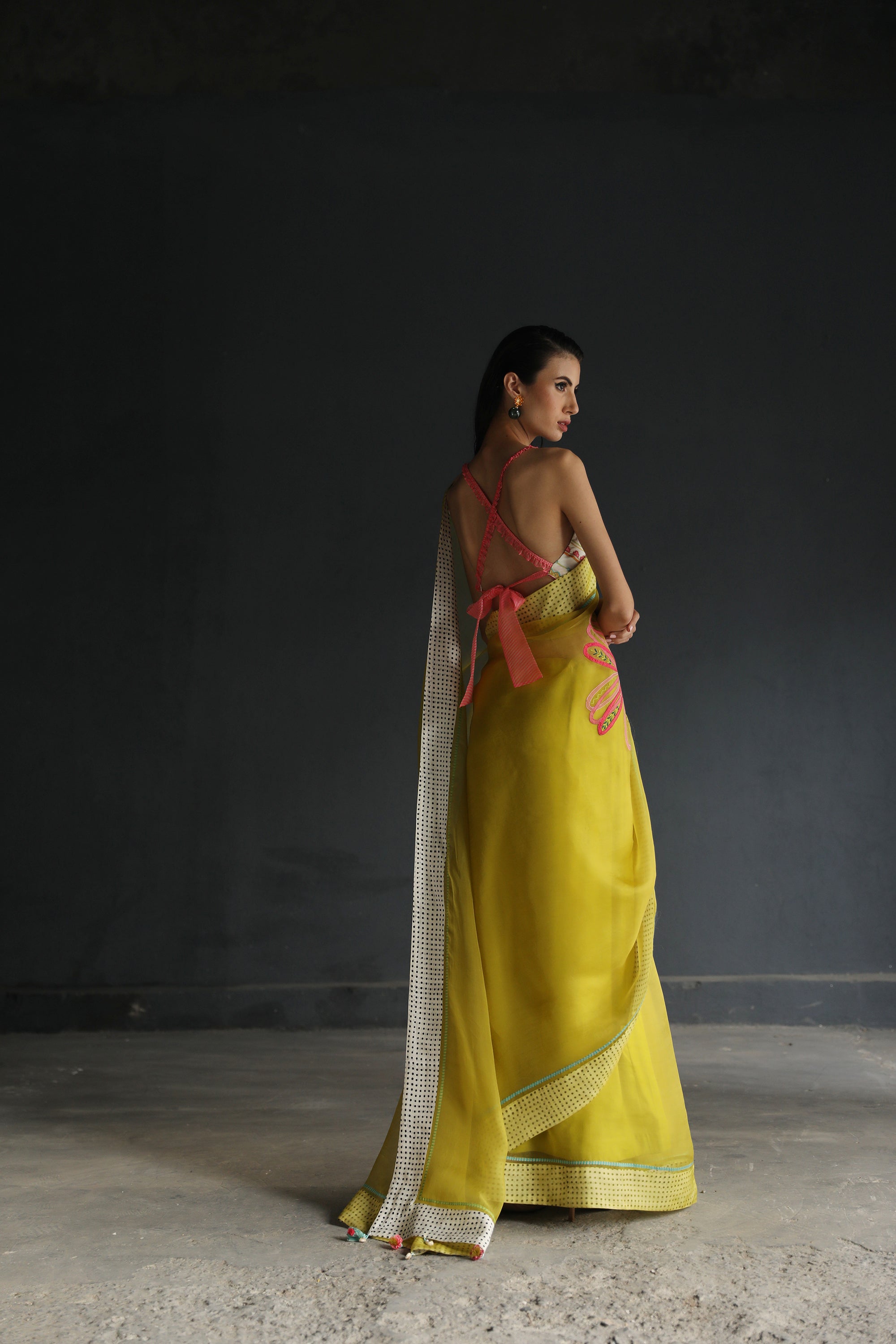
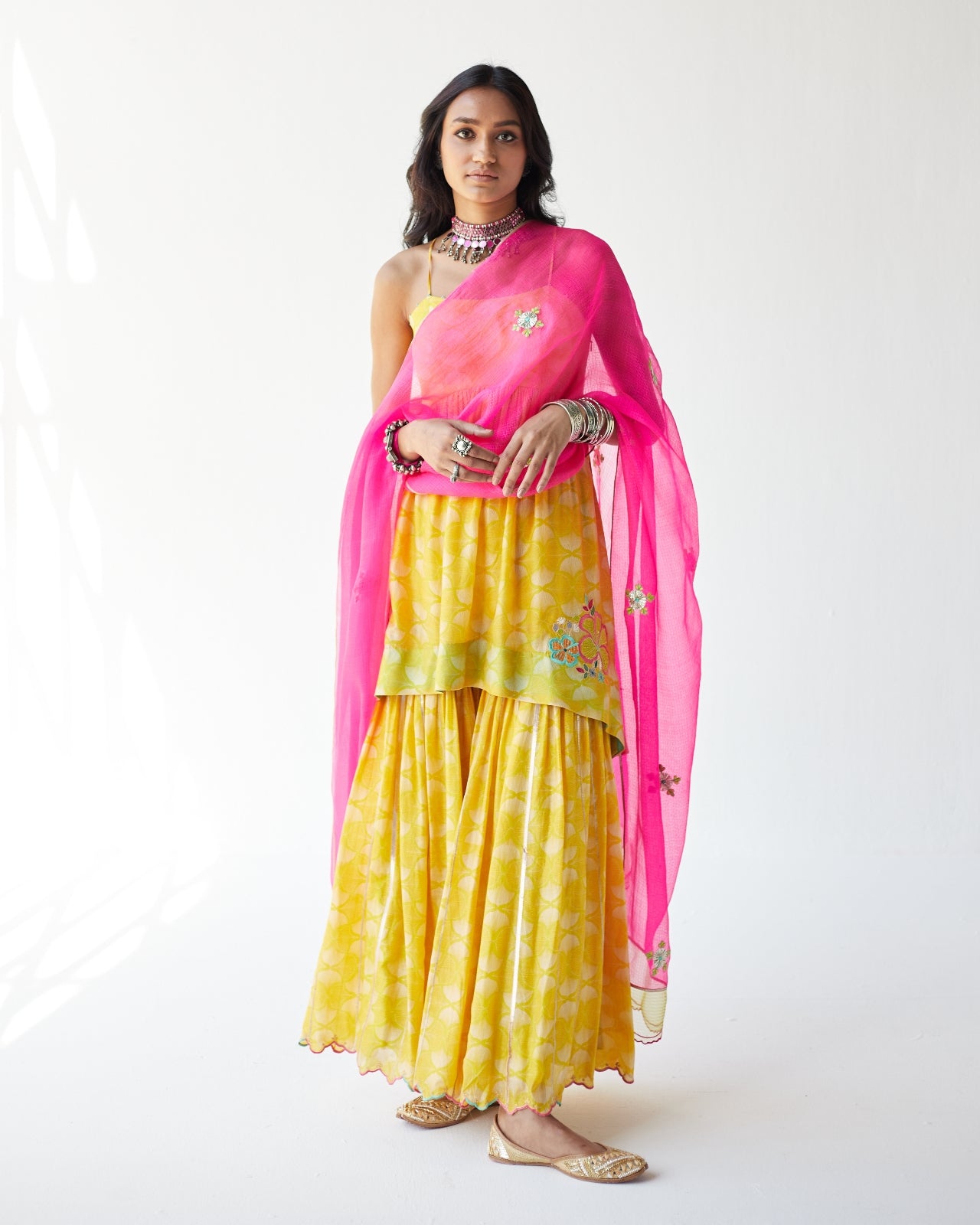
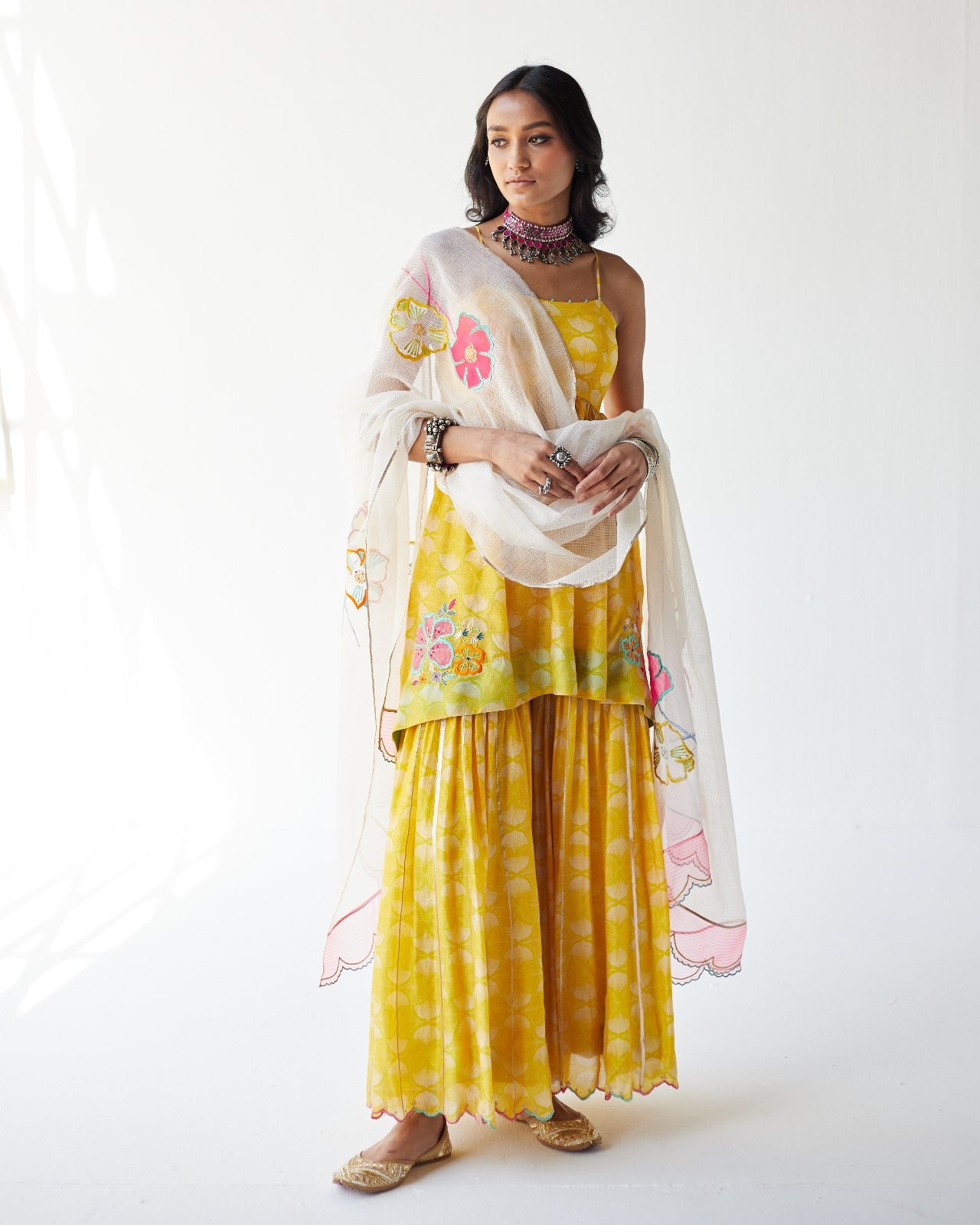
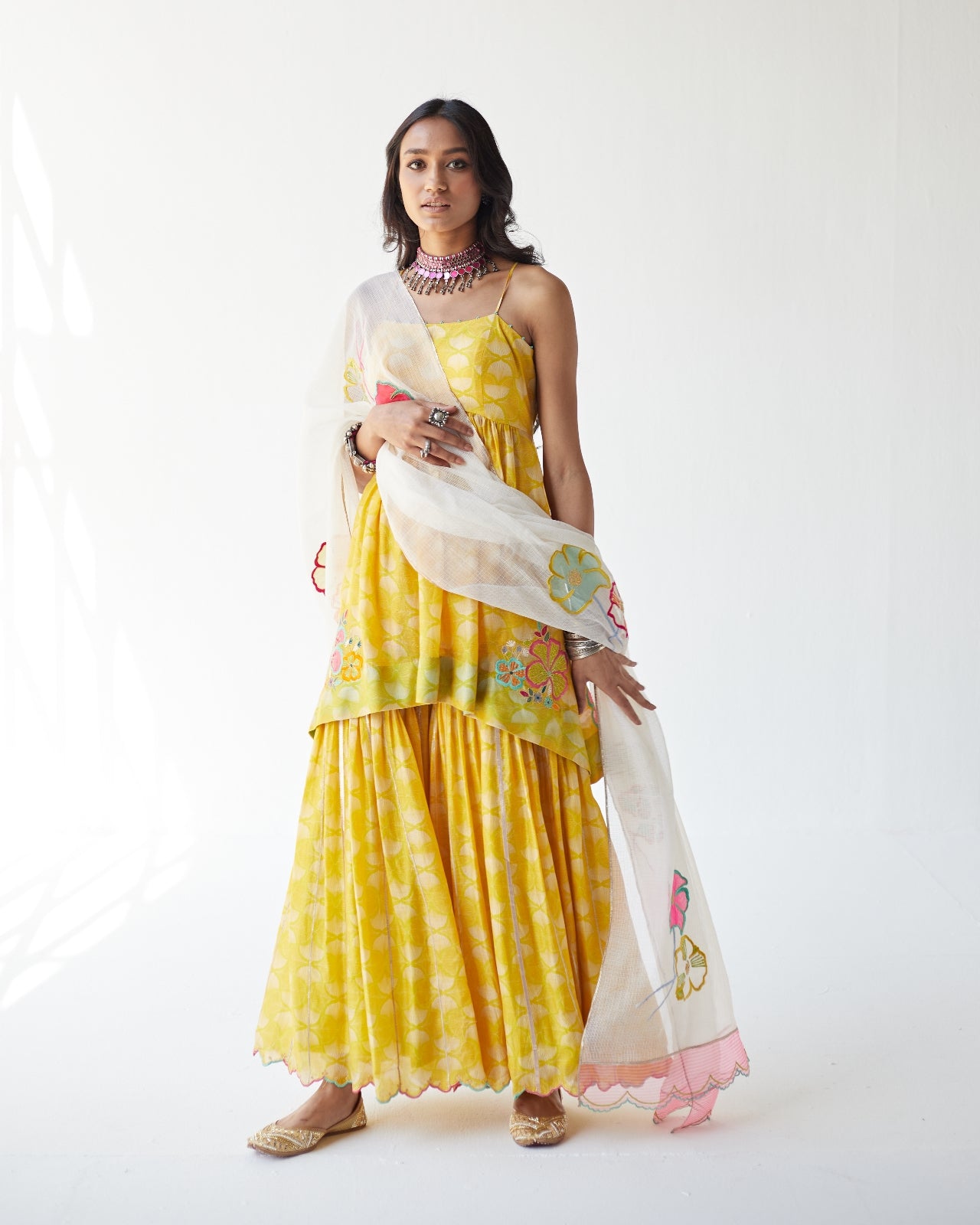
Haldi outfits for women isn’t just about picking something yellow and calling it a day. Anyone who has actually been part of a haldi ceremony knows it’s a long, intimate, slightly chaotic affair—in the best way. You’re sitting on the floor, laughing, getting turmeric on your hands, hugging people, posing for photos you didn’t plan for. What you wear needs to support all of that, not fight it.
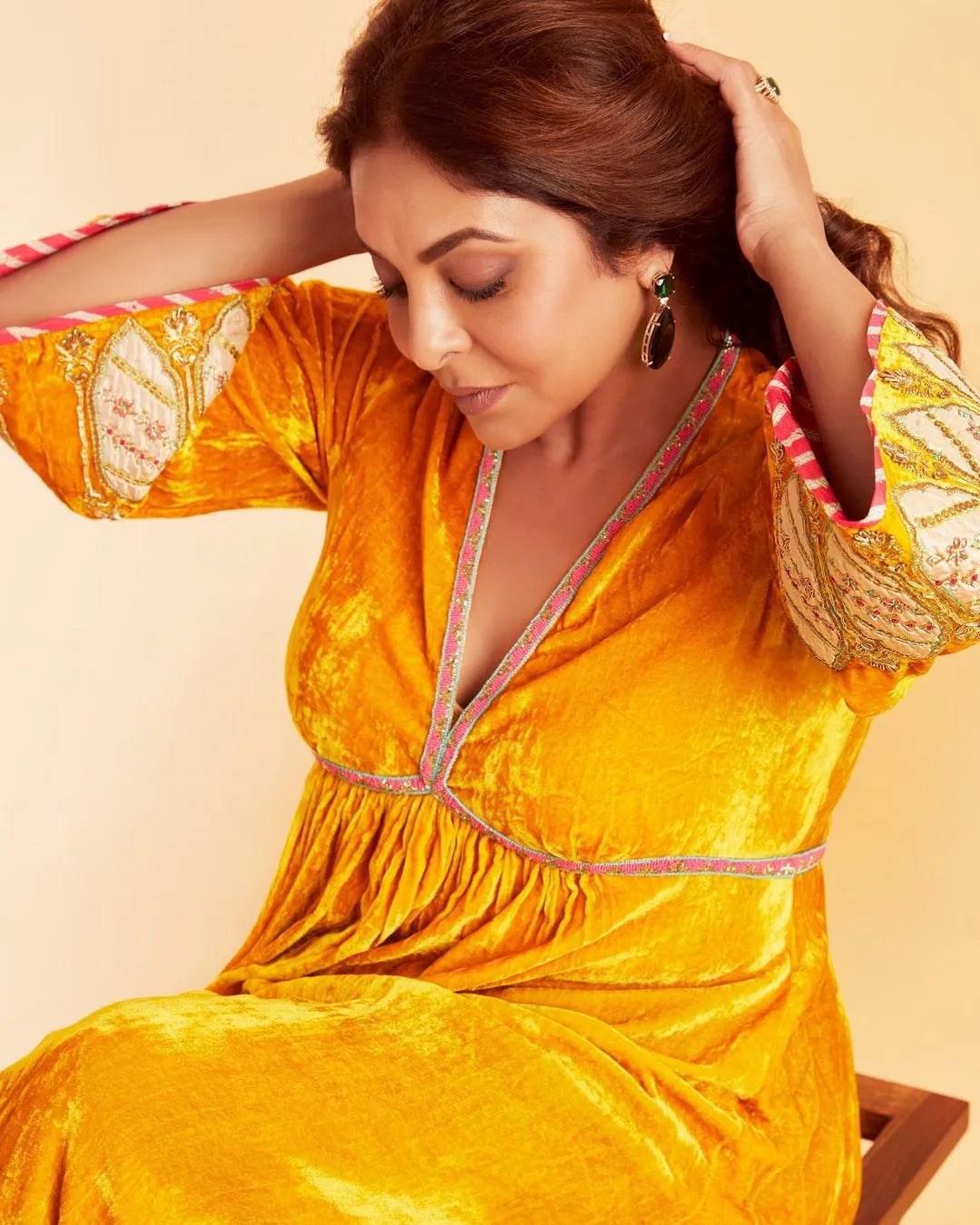
For Indian women living in the USA or planning celebrations across borders, this choice becomes even more layered. You want something rooted in tradition, yes—but also breathable, wearable, and sensible for modern settings. That’s where thoughtful design starts to matter.
Why Haldi Outfits for Women Need More Than Surface Beauty
Haldi is one of those ceremonies where discomfort shows quickly. Heavy fabrics, stiff embroidery, or tight cuts look good for ten minutes and feel exhausting after that. Over the years, one thing has become clear: haldi outfits for women work best when they’re designed with movement and real wear in mind.
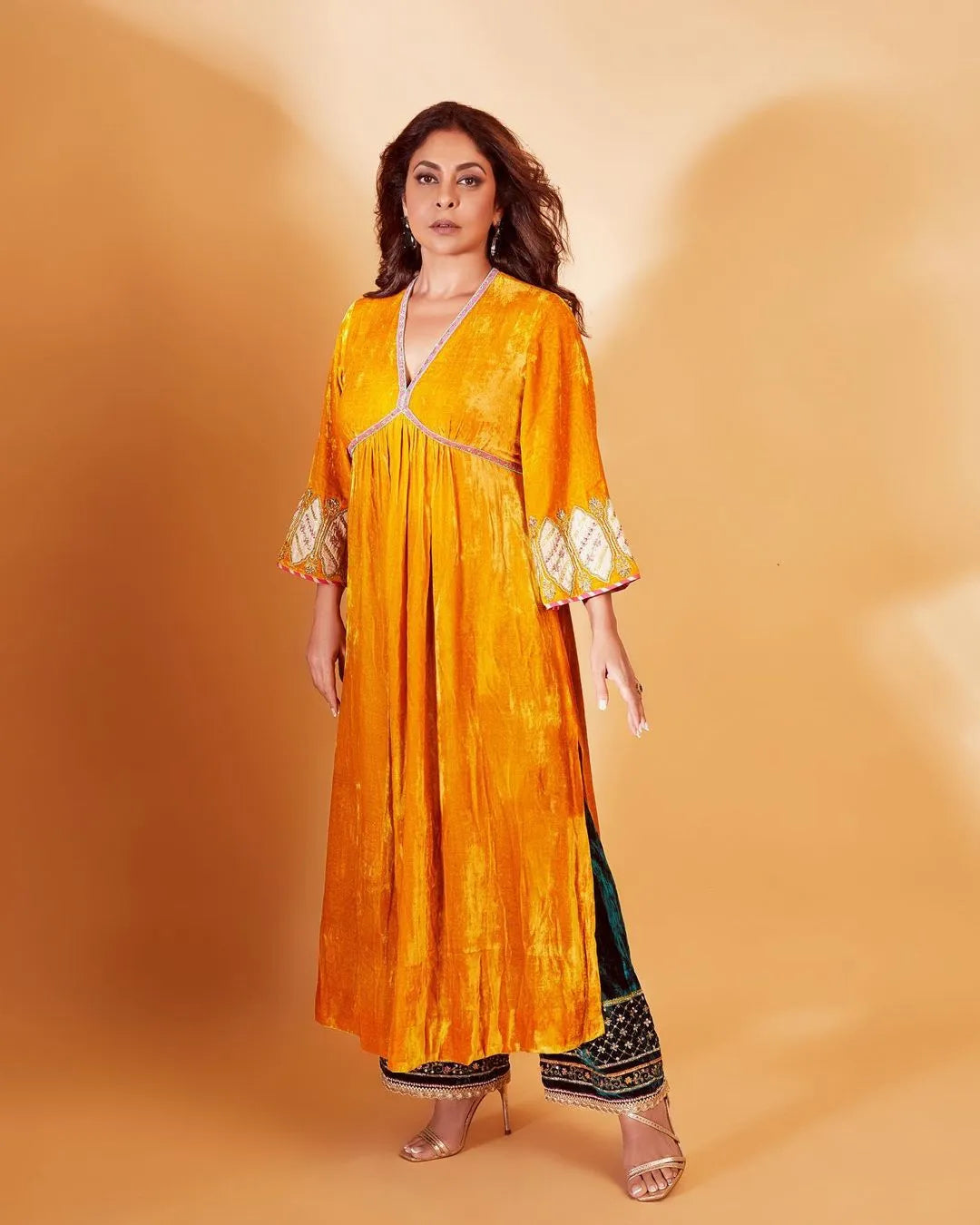
Soft silhouettes, fabrics that breathe, and detailing that doesn’t dig into the skin make a bigger difference than people realize. This is especially true for daytime ceremonies, outdoor venues, or home celebrations where the mood is relaxed and personal. Clothing should let you stay present instead of constantly adjusting yourself.
A Women-Led Way of Thinking About Haldi Outfits for Women
RajiRamniq was founded by sisters Raji and Ramniq, and that perspective shows up quietly but consistently. Raji’s background from NIFT brings a deep understanding of fabric behavior and garment construction. Ramniq, trained at NIFD, focuses on visual balance and ease.
That combination influences how haldi outfits for women are designed here. The focus stays on how a garment feels after an hour, not just how it looks on a hanger. How it drapes when you’re seated for rituals. How it moves when relatives pull you in for photos. These details don’t come from trend forecasting—they come from lived experience.
Fabric Choices That Make Haldi Easier
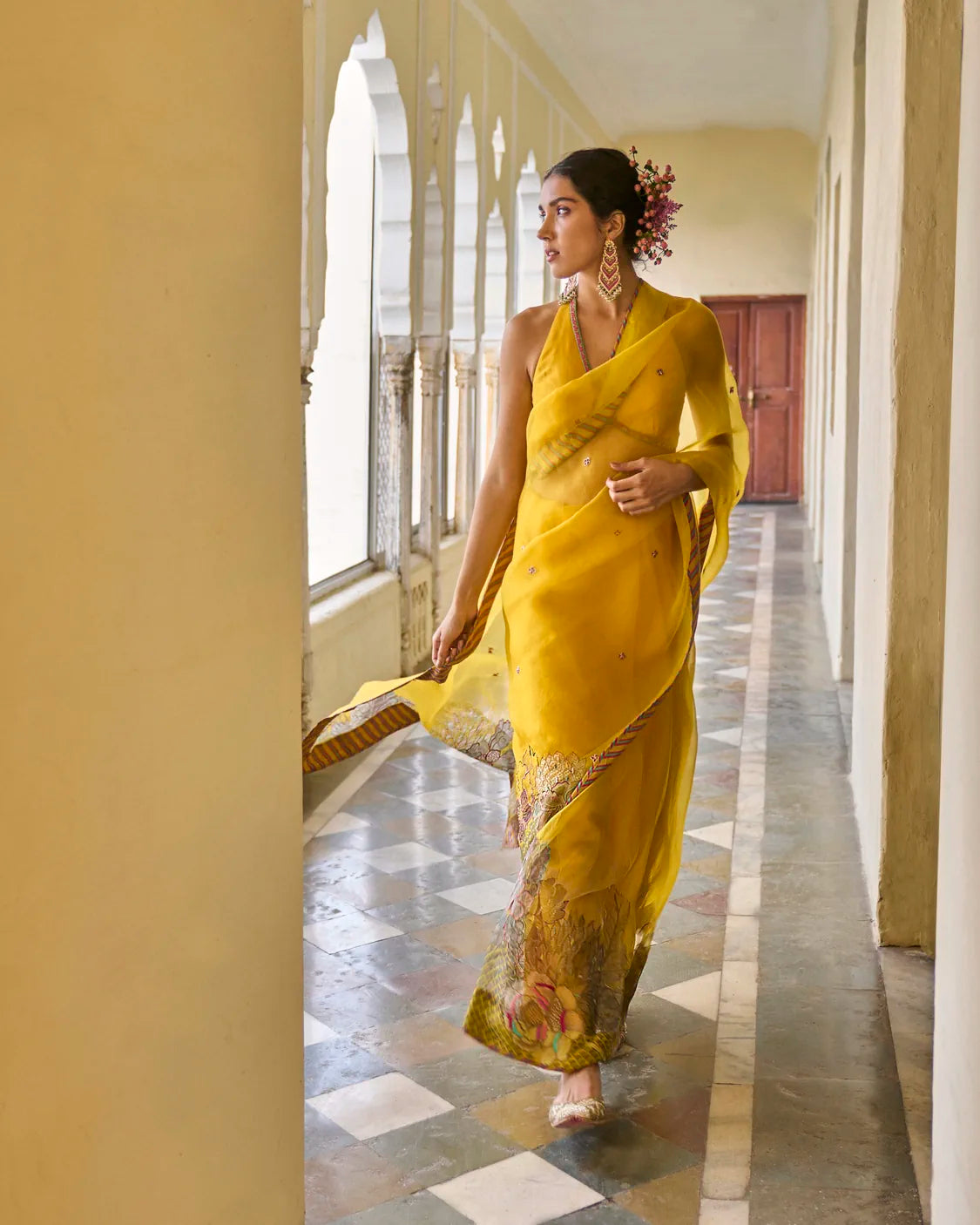
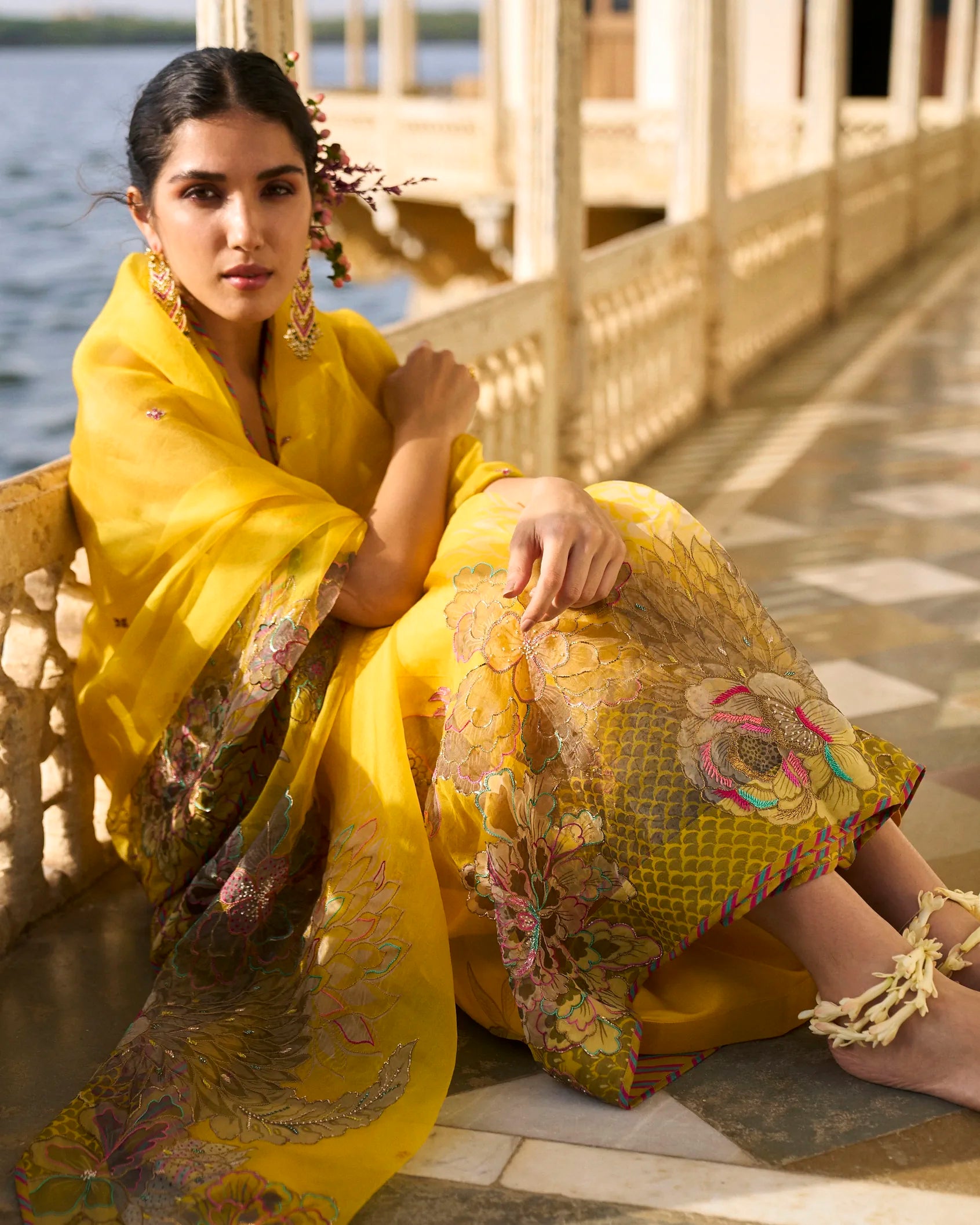
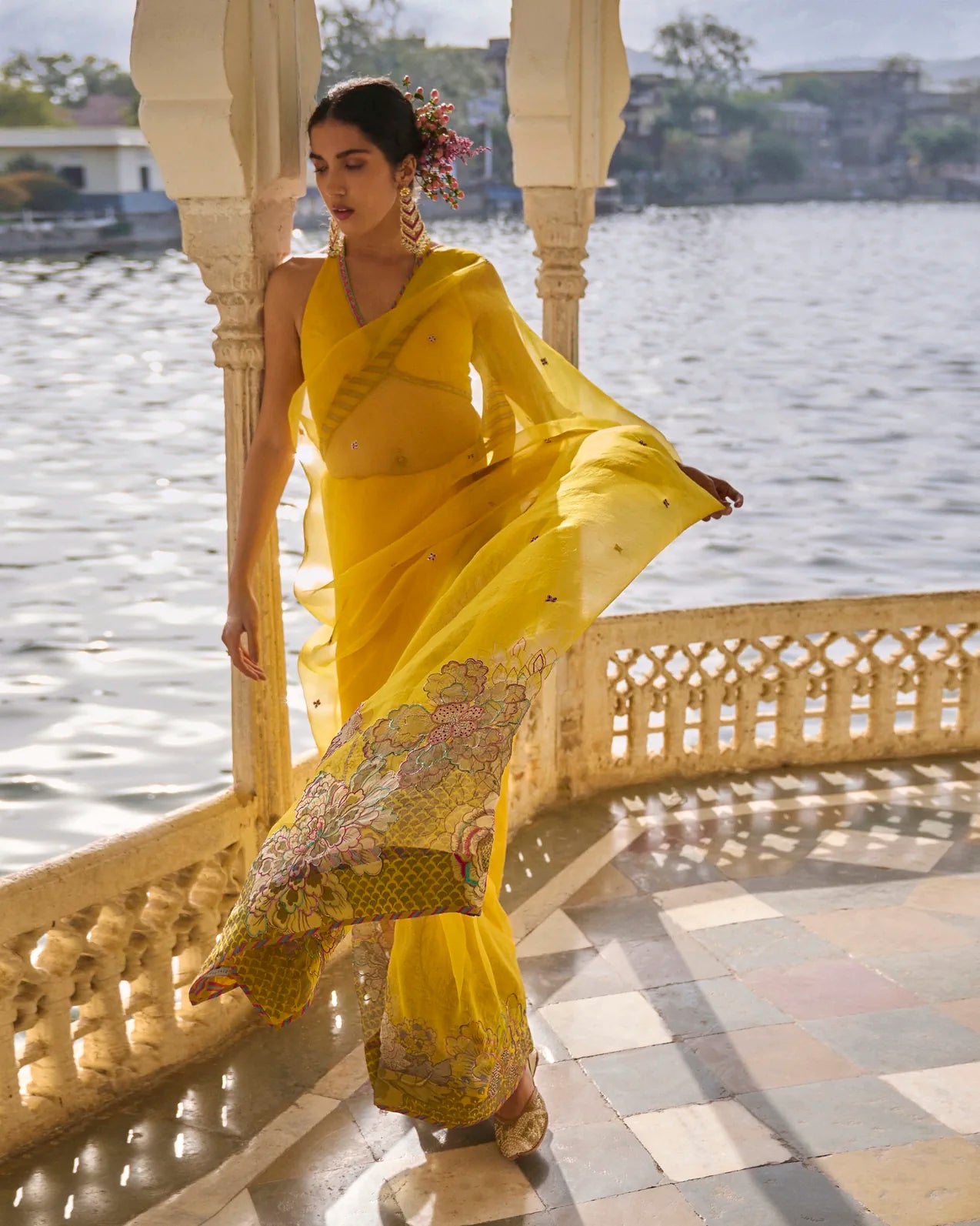
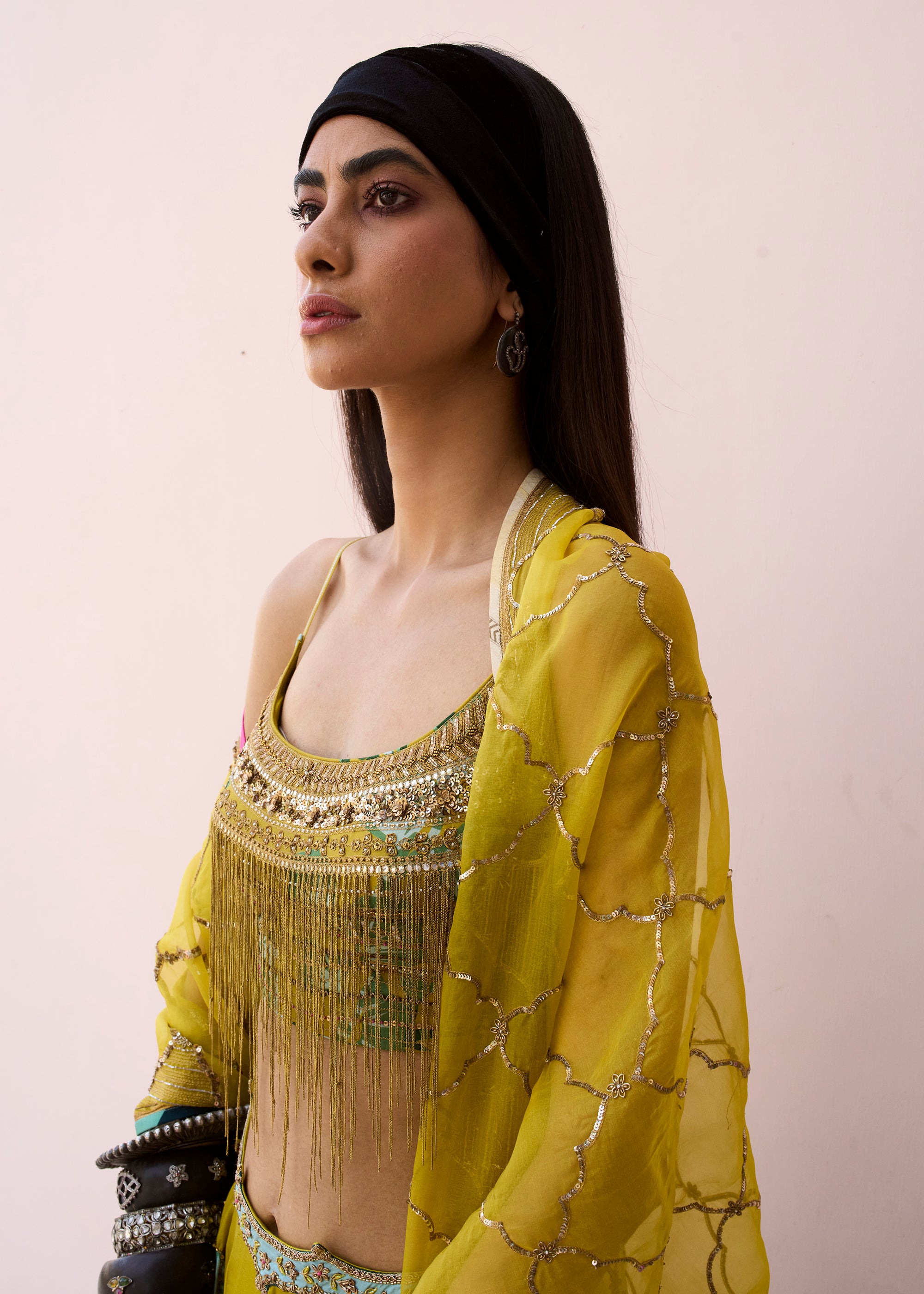
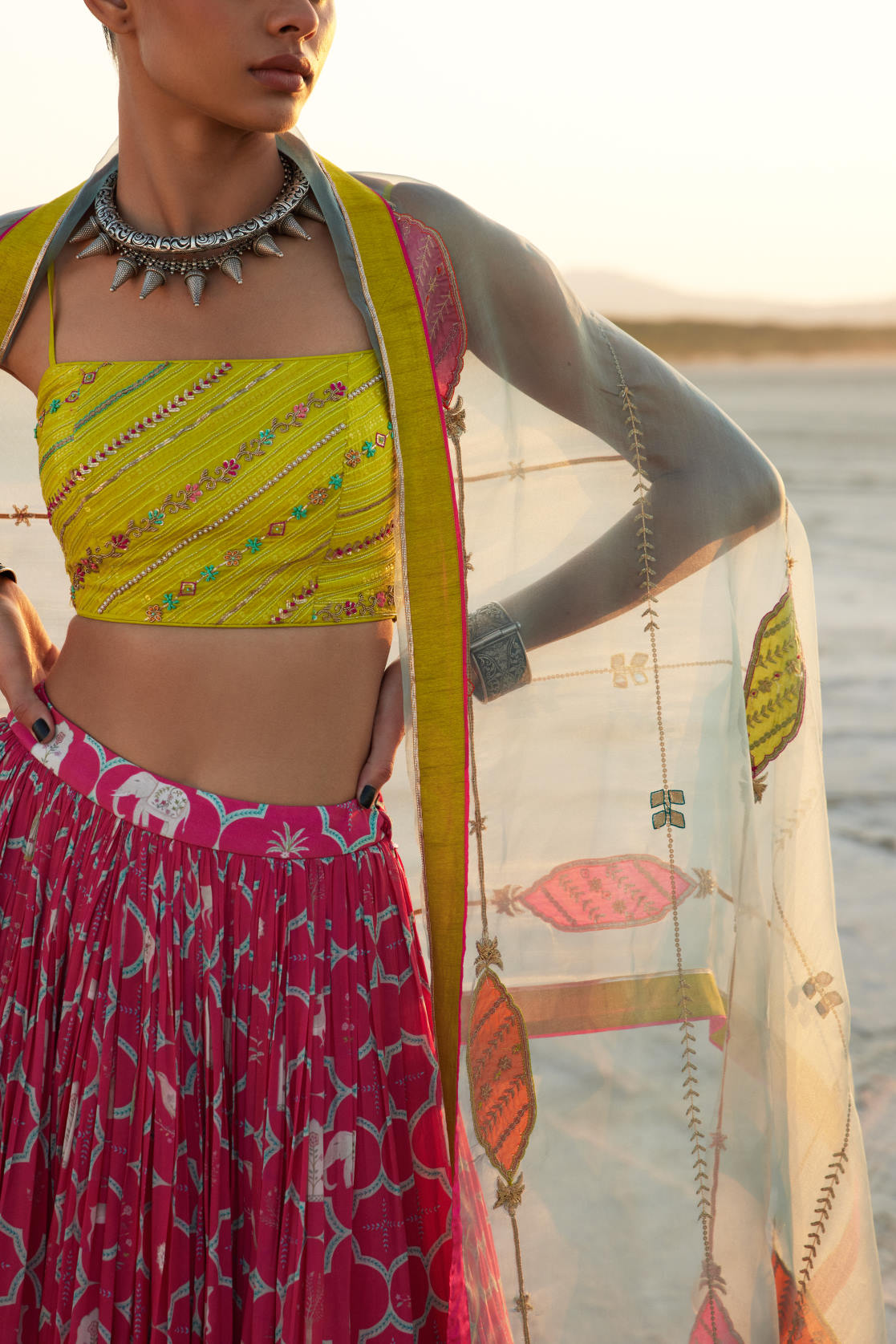
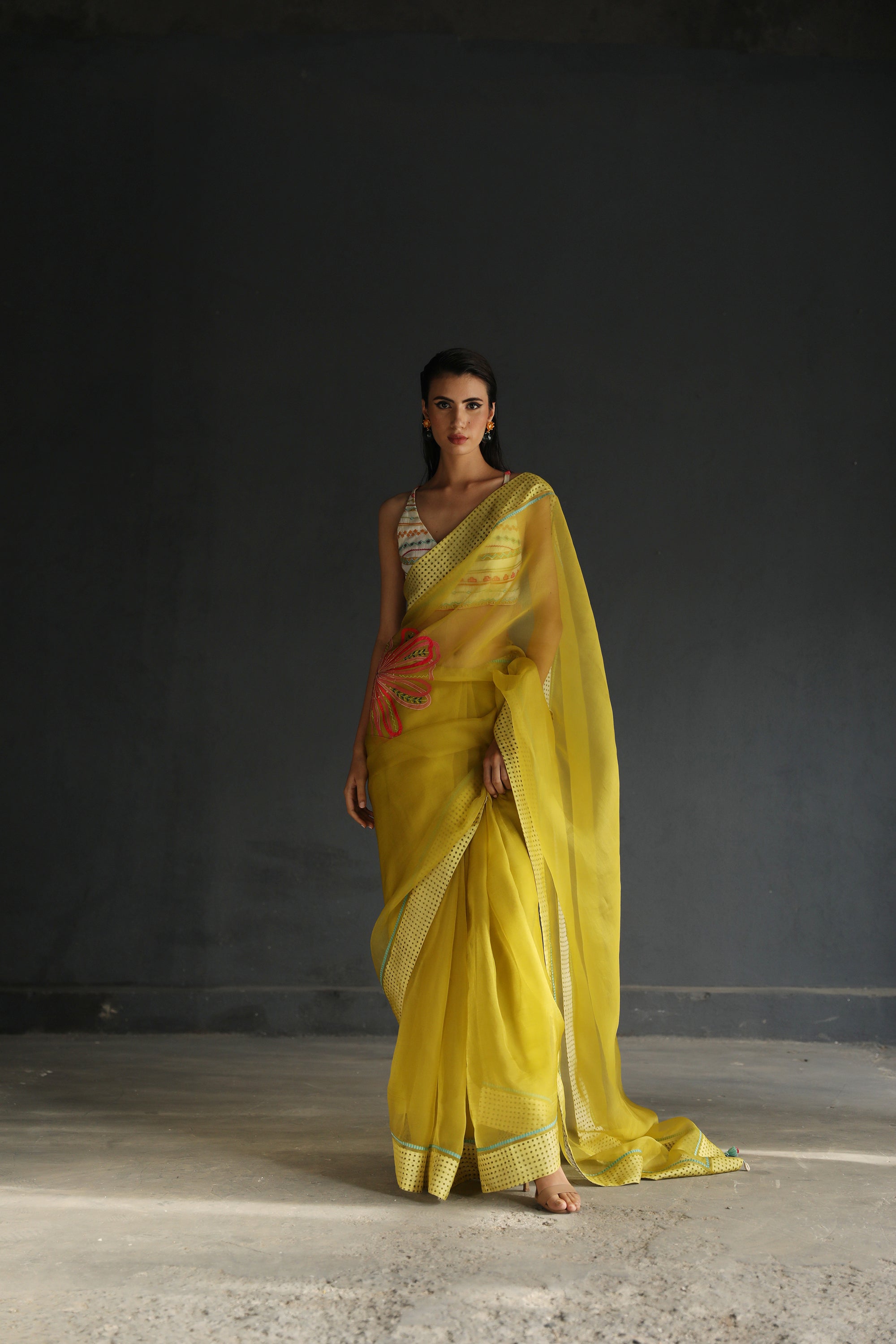
Haldi ceremonies are warm, often emotional, and rarely short. Fabric choice becomes everything. Cotton, soft silks, handloom blends, and light organza are used because they behave well over time. They absorb movement, allow airflow, and don’t feel heavy as the day goes on.
This fabric-first approach is especially important when designing haldi ceremony outfits meant for long celebrations. Light layers add visual softness without adding weight. The goal is to feel comfortable without the outfit ever feeling casual or unfinished.
Embroidery That Knows When to Stop
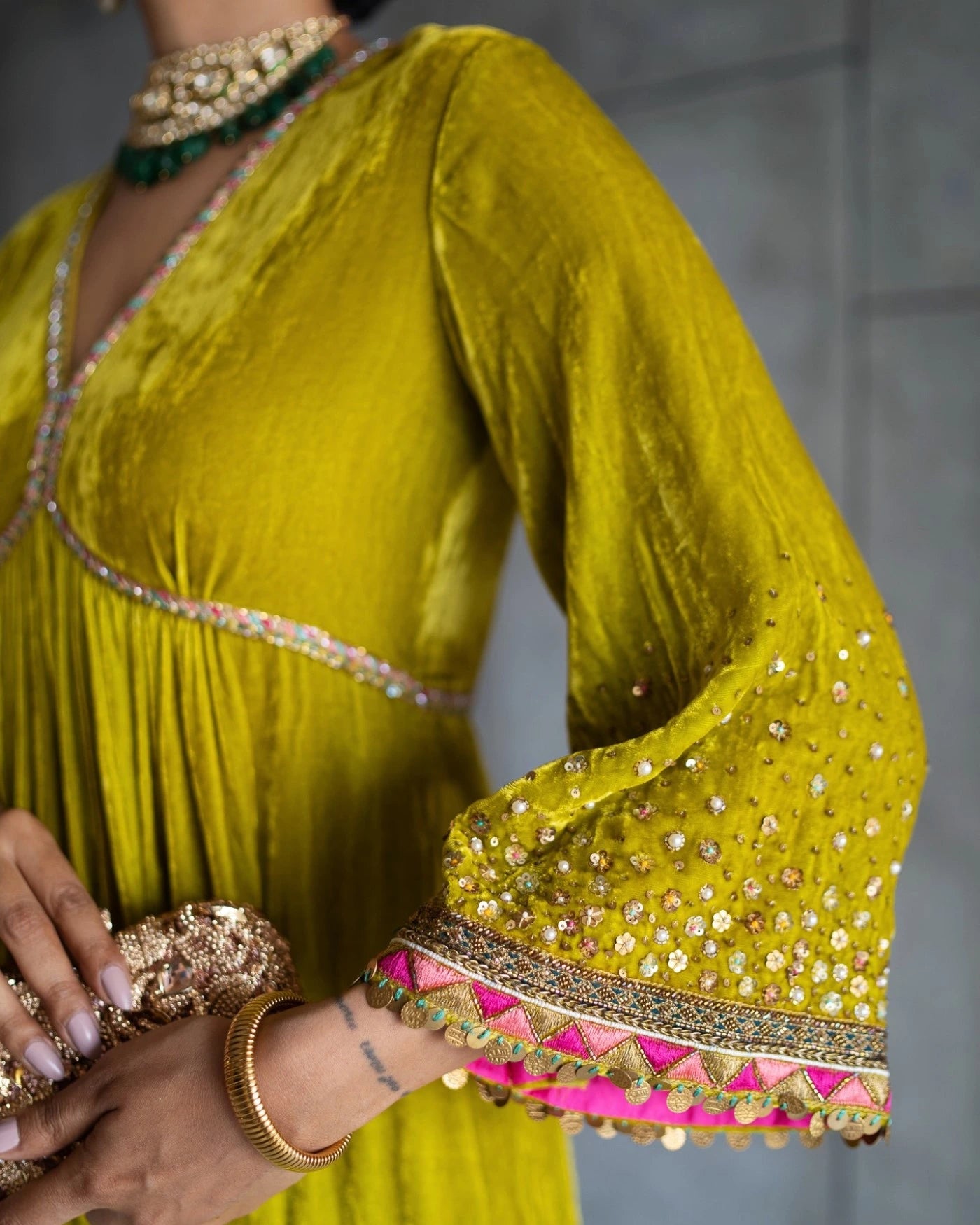
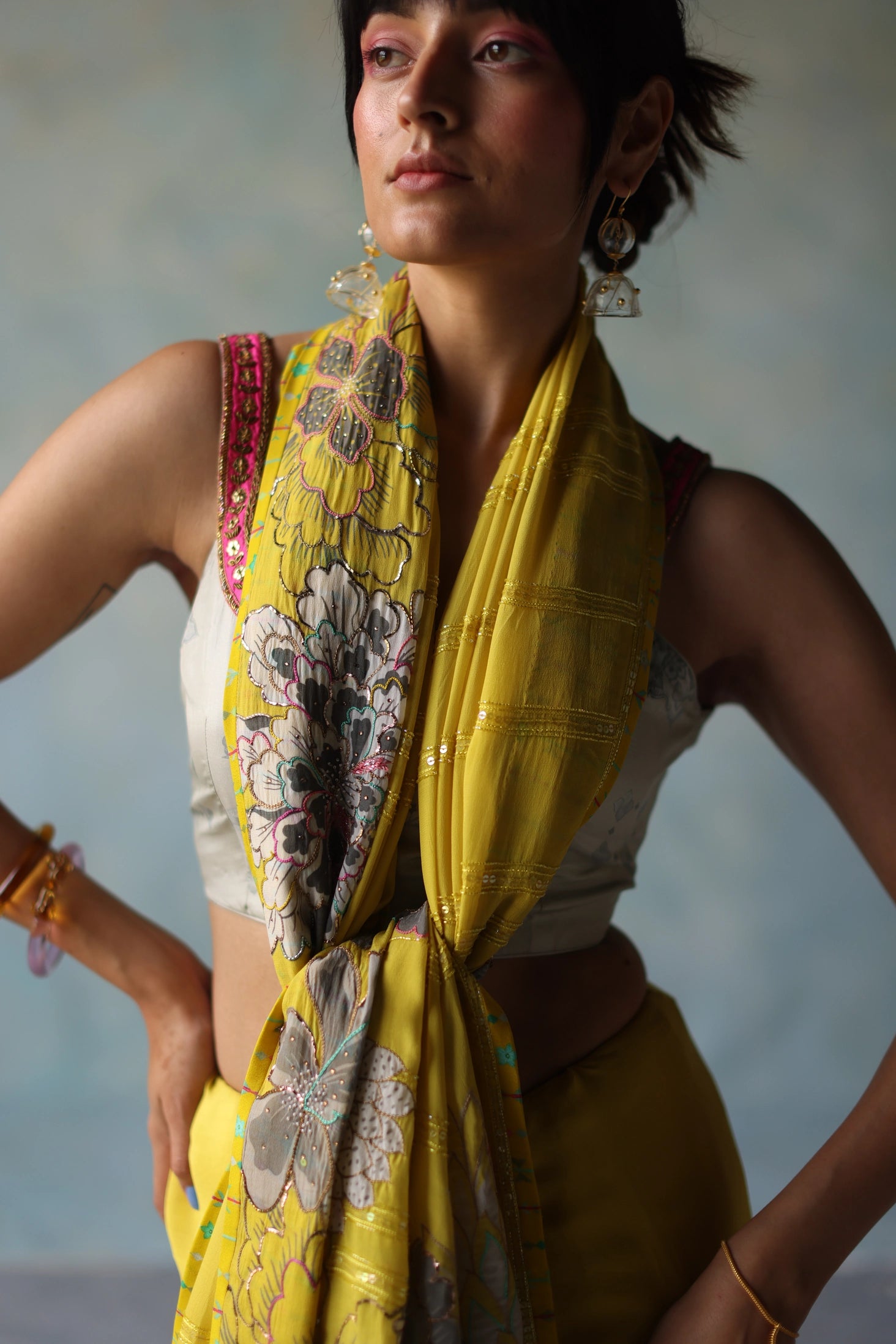
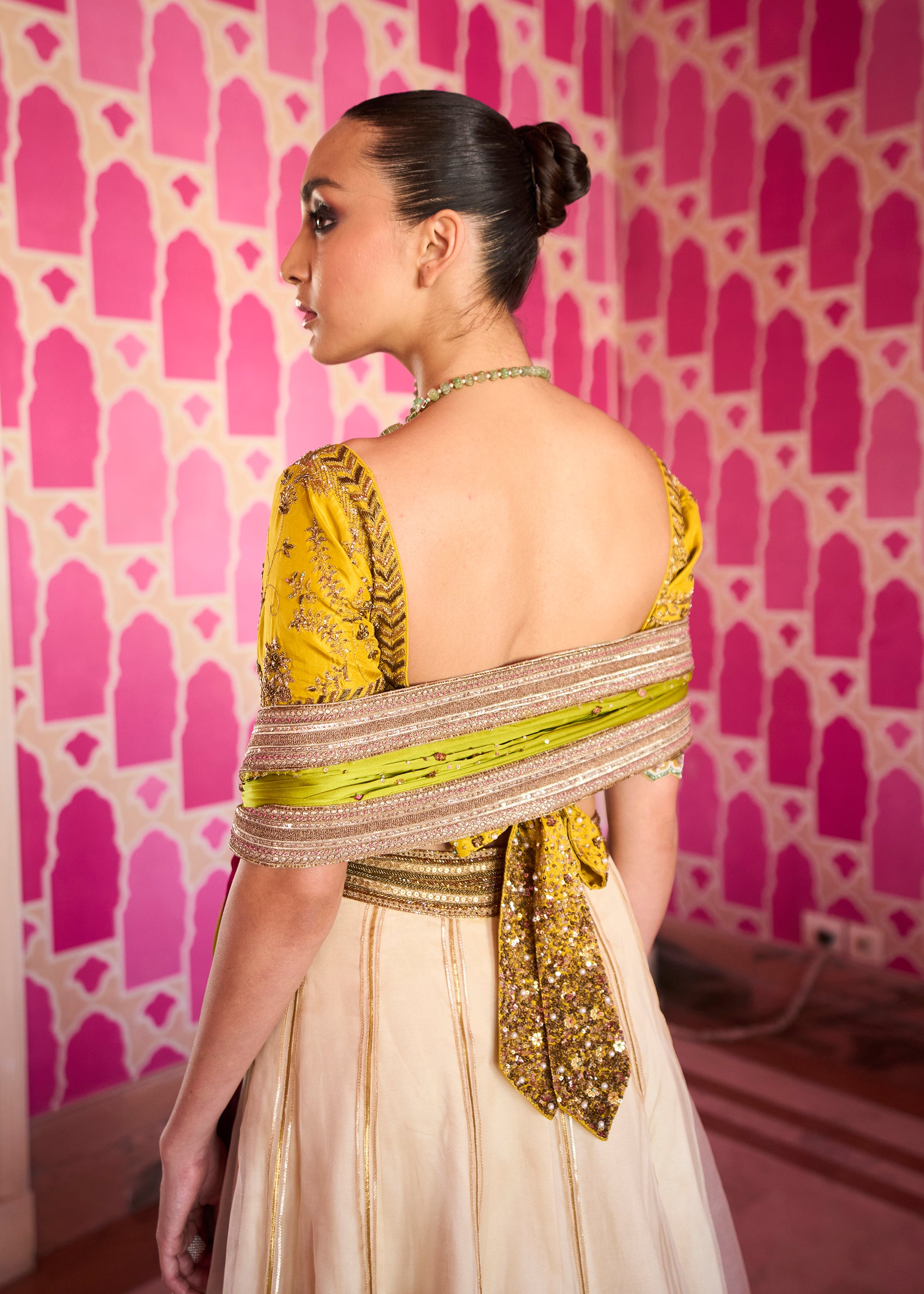
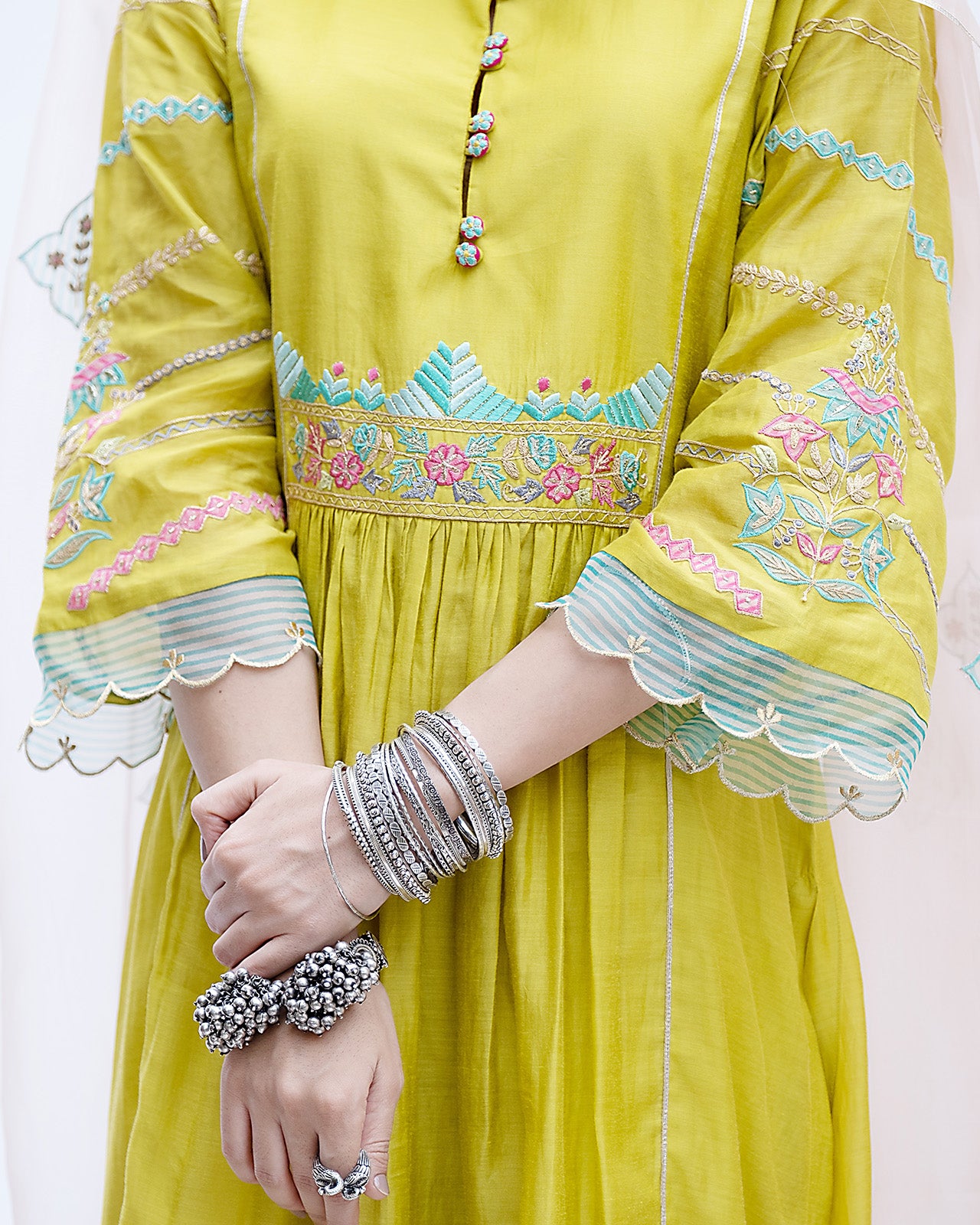
There’s a difference between beautiful embroidery and unnecessary embroidery. At RajiRamniq, techniques like zardozi, resham, dabkaa, and rashmi are used with restraint. The idea isn’t to cover the garment, but to guide the eye.
This works particularly well for haldi outfits for bridal looks, where the bride wants to stand out without feeling weighed down. Subtle embroidery catches natural light, photographs well, and still allows the garment to be worn again. Nothing feels costume-like, and nothing feels excessive.
Designed for Global Celebrations, Not Just One Setting
Indian women in the USA often need outfits that transition easily between cultures and spaces. A backyard ceremony in California feels very different from a traditional home celebration in India—but the emotional tone is the same.
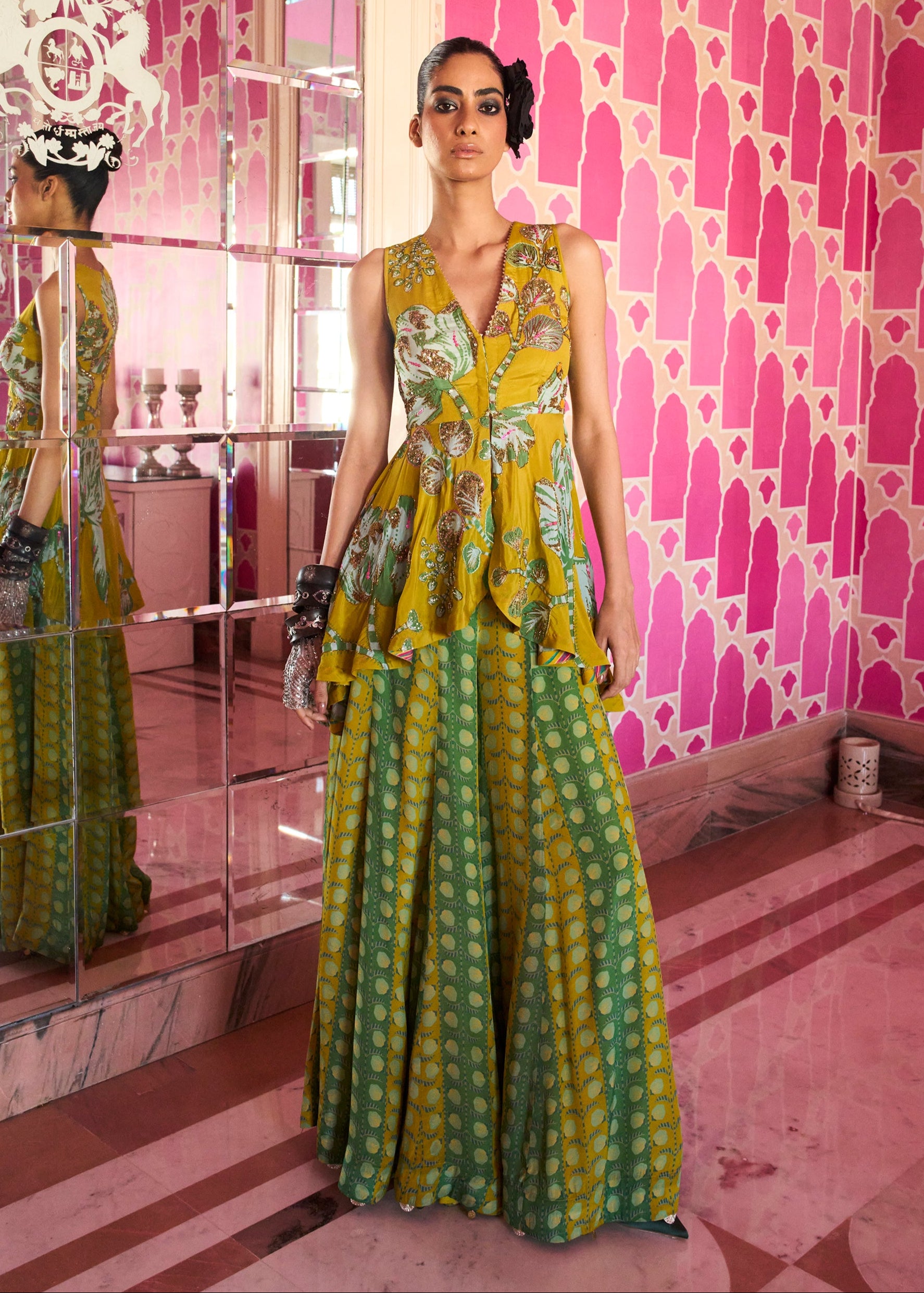
That’s why these haldi outfits for women are designed to adapt. Relaxed kurtas, fluid sets, and thoughtfully shaped silhouettes work across locations without feeling out of place. The clothing doesn’t rely on trends or heavy styling to make sense—it simply fits the moment.
Why Handcrafted Still Makes a Difference
There’s a reason handcrafted clothing feels different when you wear it. At RajiRamniq, each piece is created in close collaboration with skilled artisans across India. This isn’t fast production. It’s careful work, done slowly, with intention.
Choosing handcrafted haldi ceremony outfits means choosing something with depth. The stitching holds better. The fabric ages more gracefully. And the garment carries a sense of care that’s hard to replicate in mass-produced wear.
Understated Looks That Age Well
Haldi is joyful, but it’s also gentle. Loud embellishments and trend-heavy designs often feel dated very quickly. RajiRamniq focuses on palettes, textures, and finishes that stay relevant long after the ceremony.
These haldi outfits for women suit brides, sisters, friends, and family members who want to look polished without feeling overdressed. They’re the kind of outfits you reach for again—festive lunches, intimate weddings, or daytime celebrations where elegance matters more than drama.
An Investment That Goes Beyond One Ceremony
RajiRamniq isn’t about one-time wear. Each piece is designed to be revisited, restyled, and reused. That’s especially valuable for haldi outfits for bridal selections, where the emotional connection to the garment doesn’t disappear after the wedding.
When women invest in haldi outfits for women from RajiRamniq, they’re choosing quality, ethics, and longevity. It’s clothing made to last—not just physically, but emotionally.
Thoughtful Dressing for a Meaningful Ritual
Whether you’re a bride planning something intimate or a guest searching for something refined, choosing the right haldi outfits for women can shape how the day feels. Comfort-led design, minimal elegance, and handcrafted detail come together to create clothing that supports the moment instead of overshadowing it.
These are garments meant to be lived in, remembered, and worn again—with ease.
Frequently Asked Questions
1. What should women wear for a haldi ceremony? Women should wear breathable, comfortable outfits in soft fabrics like cotton, silk, or organza that allow easy movement during long haldi rituals.
2. What fabrics are best for haldi outfits for women? Lightweight fabrics such as cotton blends, soft silk, and handloom textiles work best because they stay comfortable in warm daytime settings.
3. Are heavy embroidered outfits suitable for haldi? Heavy embroidery is usually not ideal for haldi ceremonies. Minimal, lightweight detailing feels more comfortable and appropriate for the relaxed atmosphere.
4. Can haldi outfits be worn again after the wedding? Yes. Well-designed haldi outfits for women can be restyled for festive gatherings, family events, or cultural celebrations.
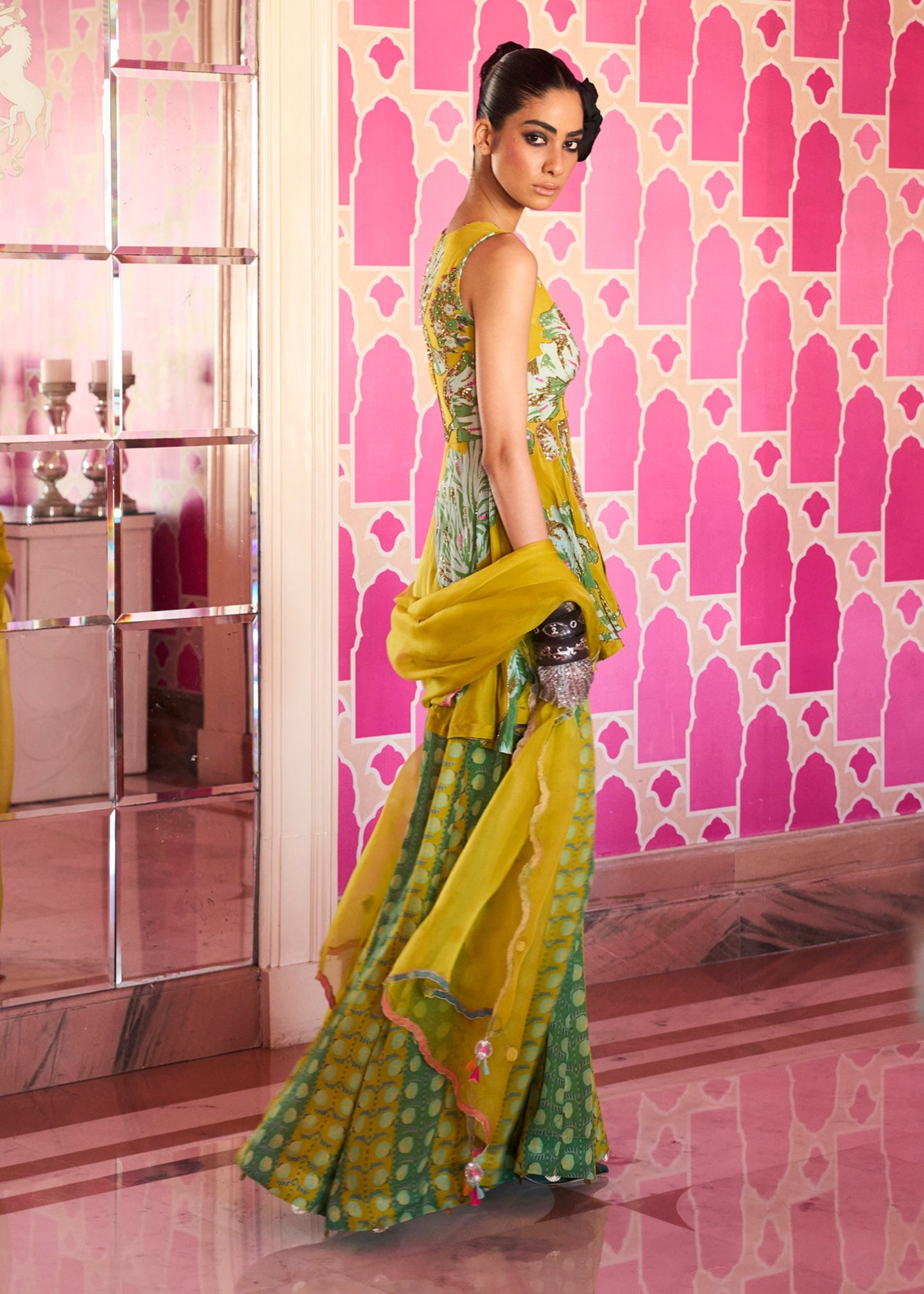
5. What makes handcrafted haldi outfits better than mass-produced ones? Handcrafted haldi outfits offer better fabric quality, refined finishing, and thoughtful detailing that improves comfort and longevity.