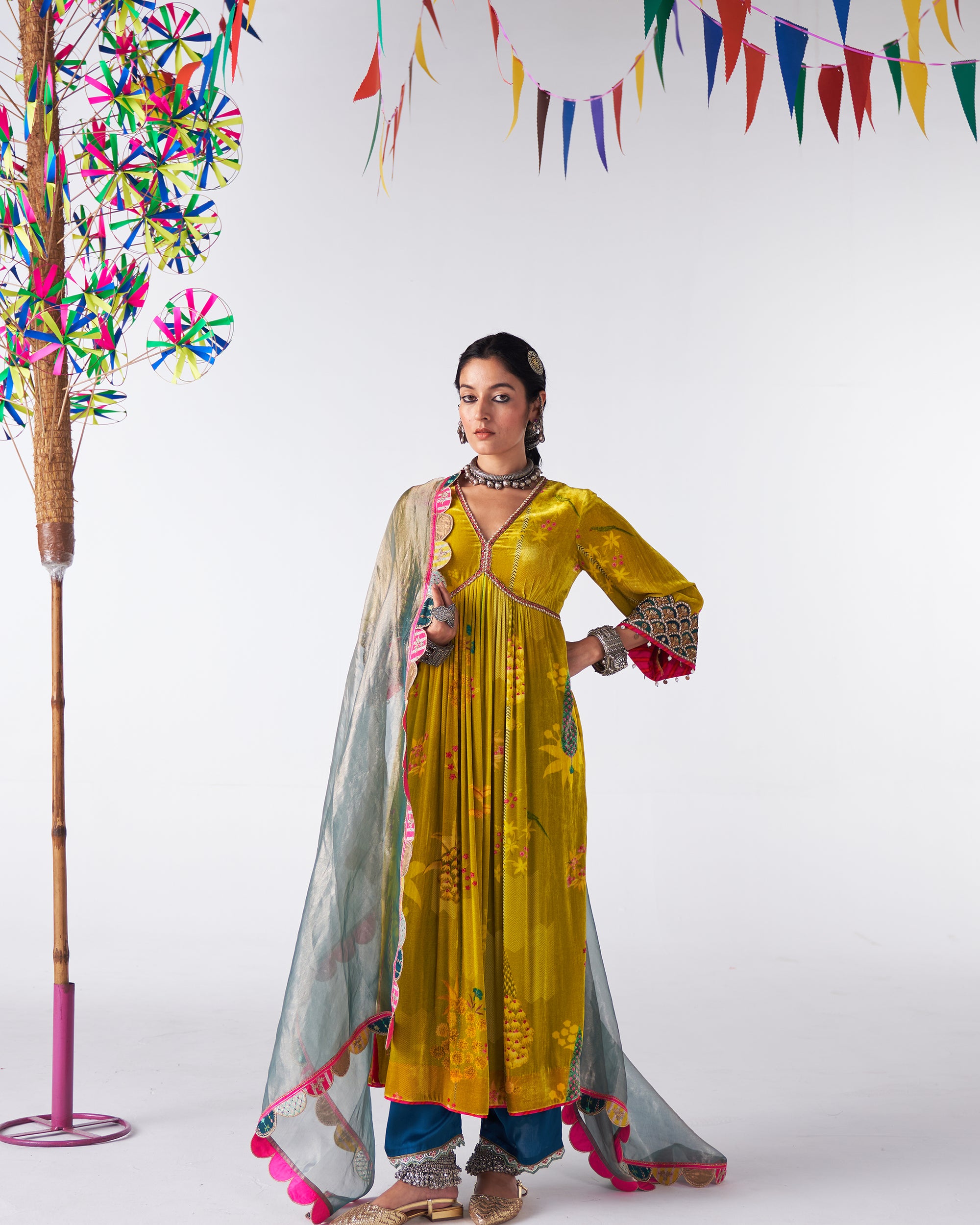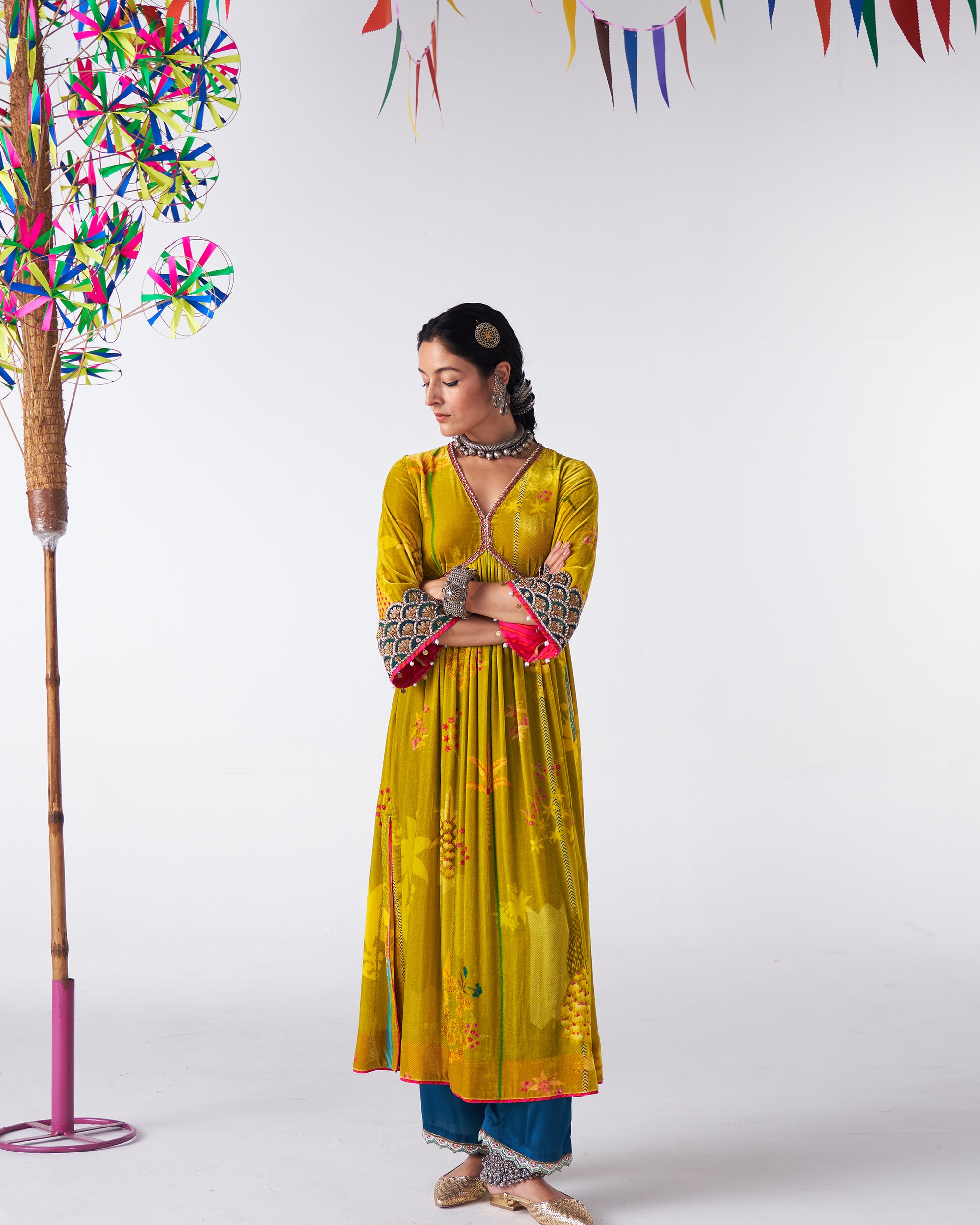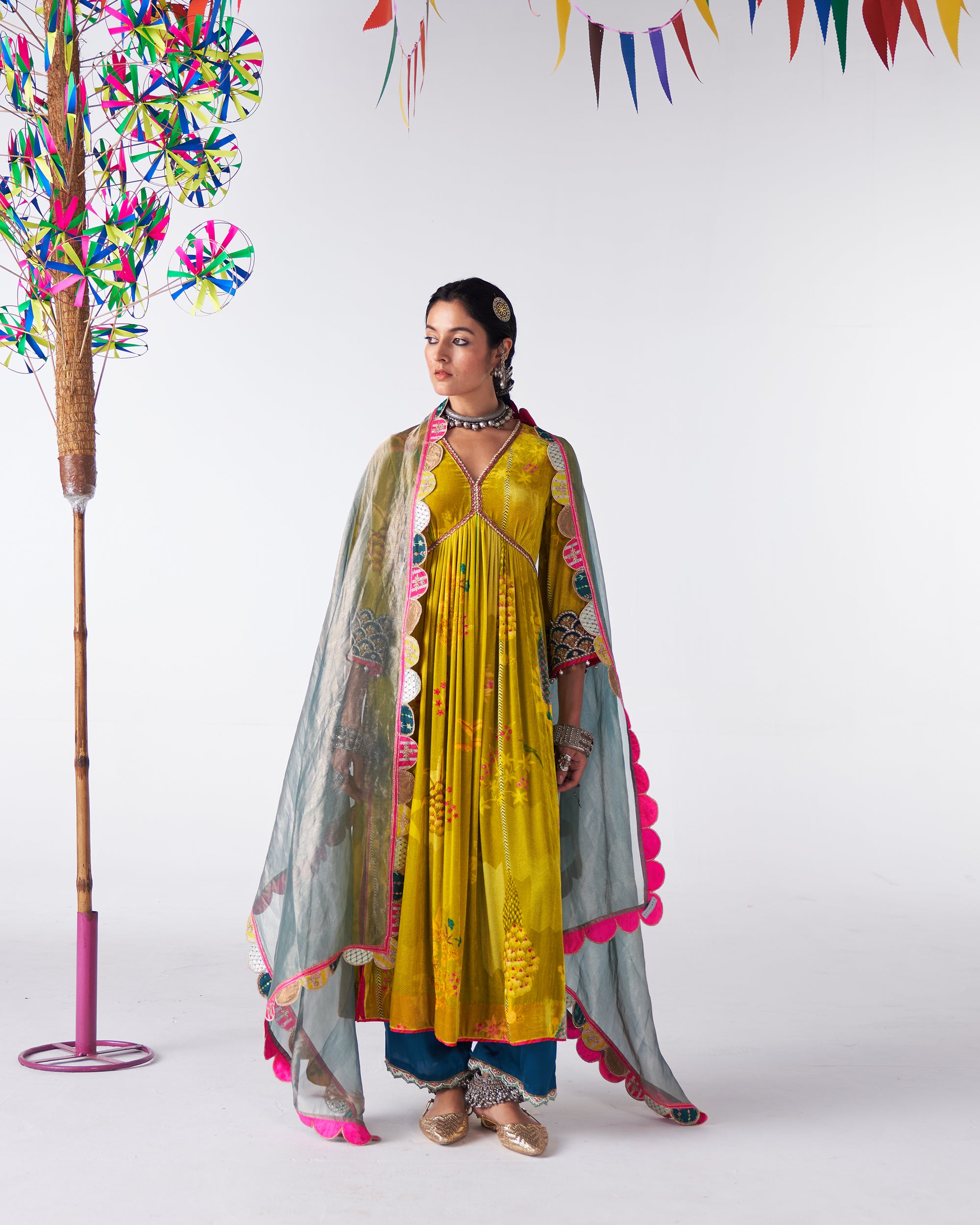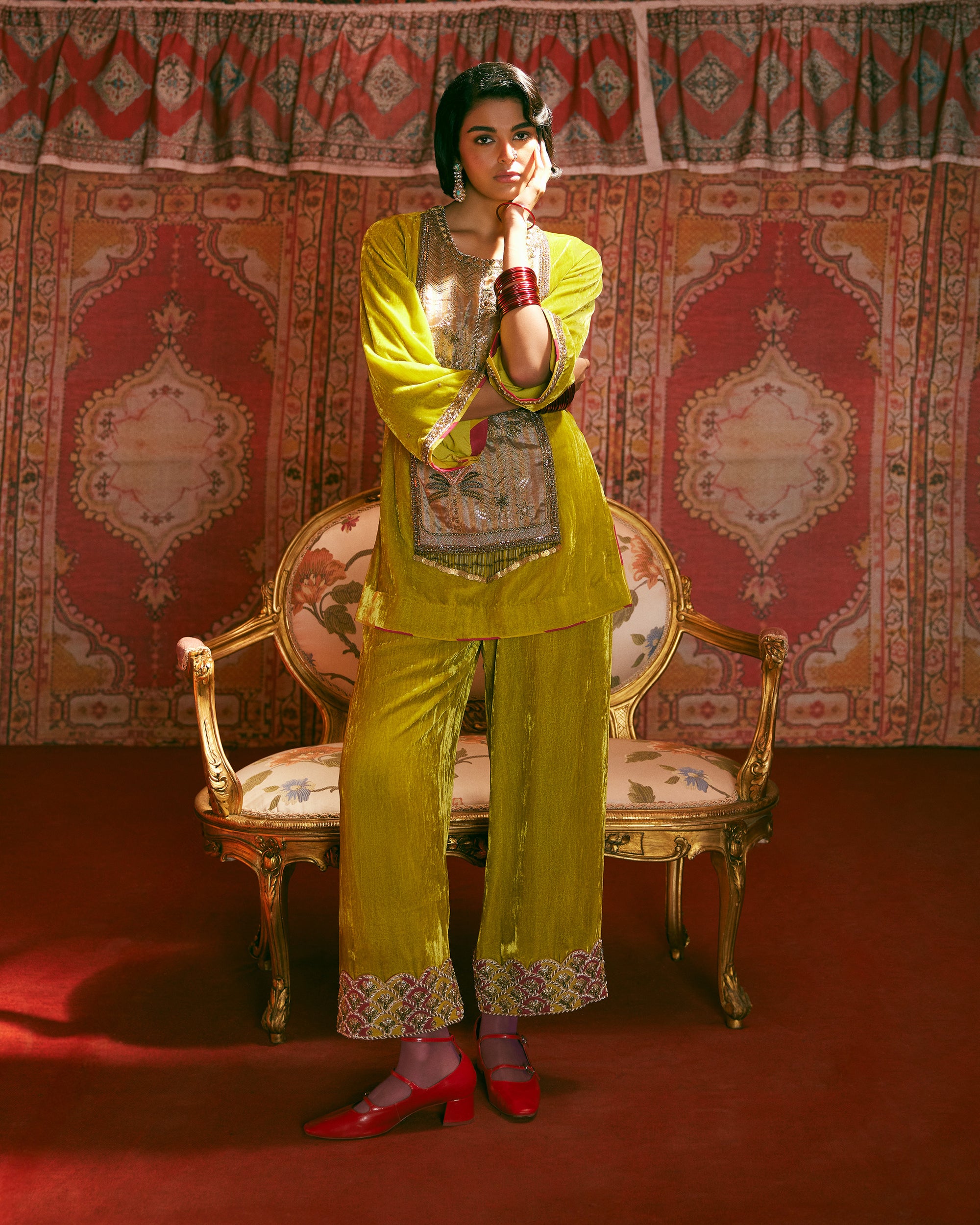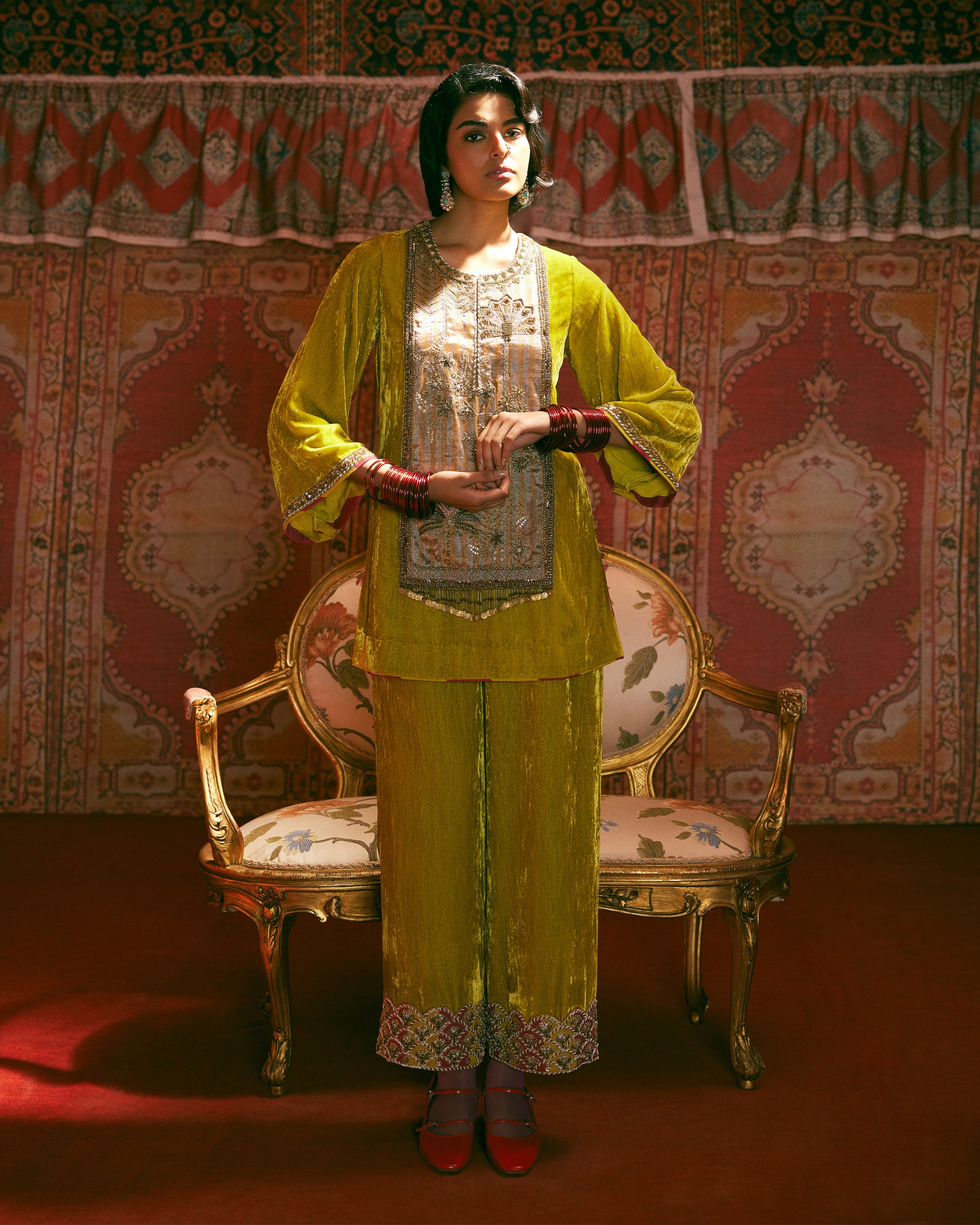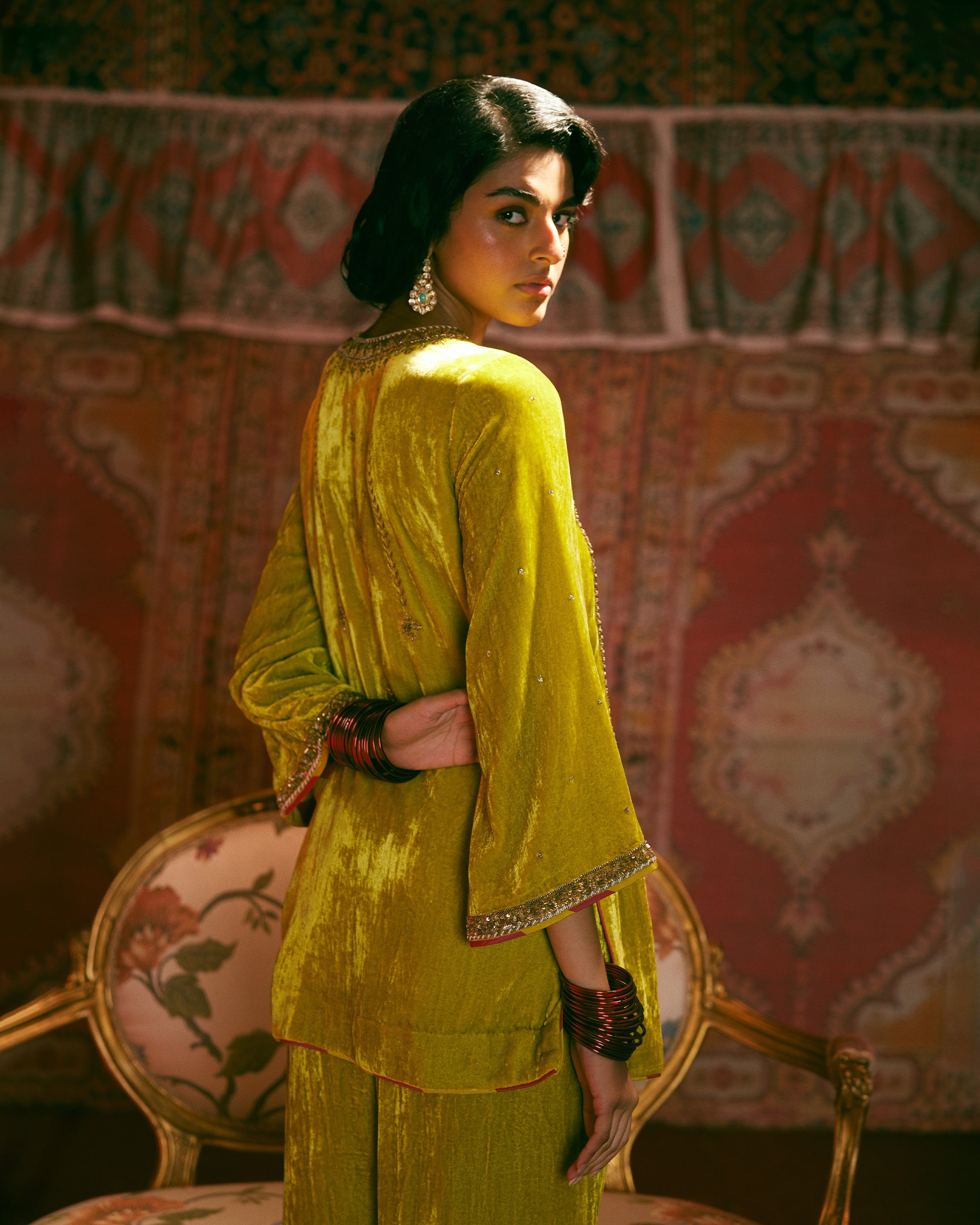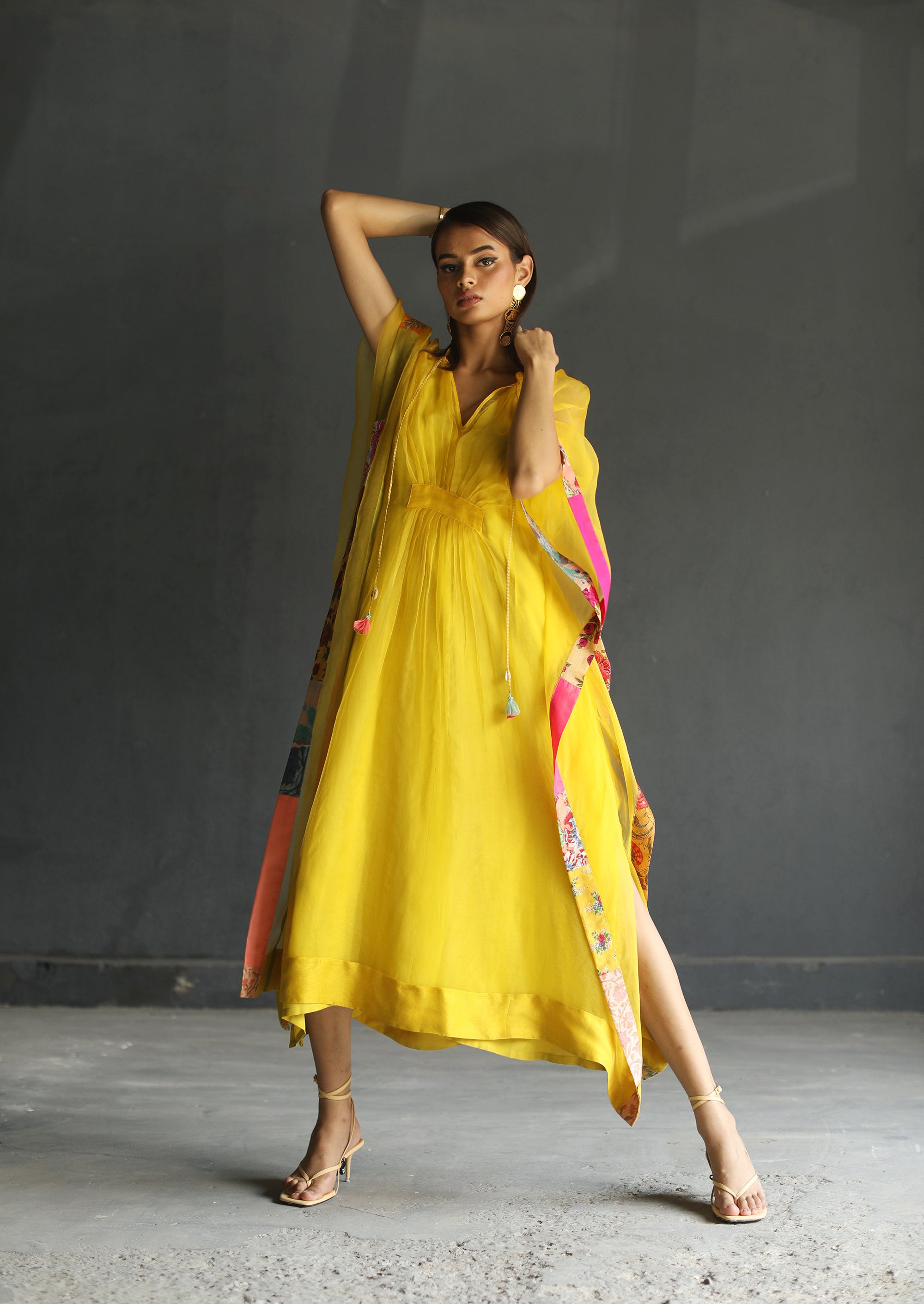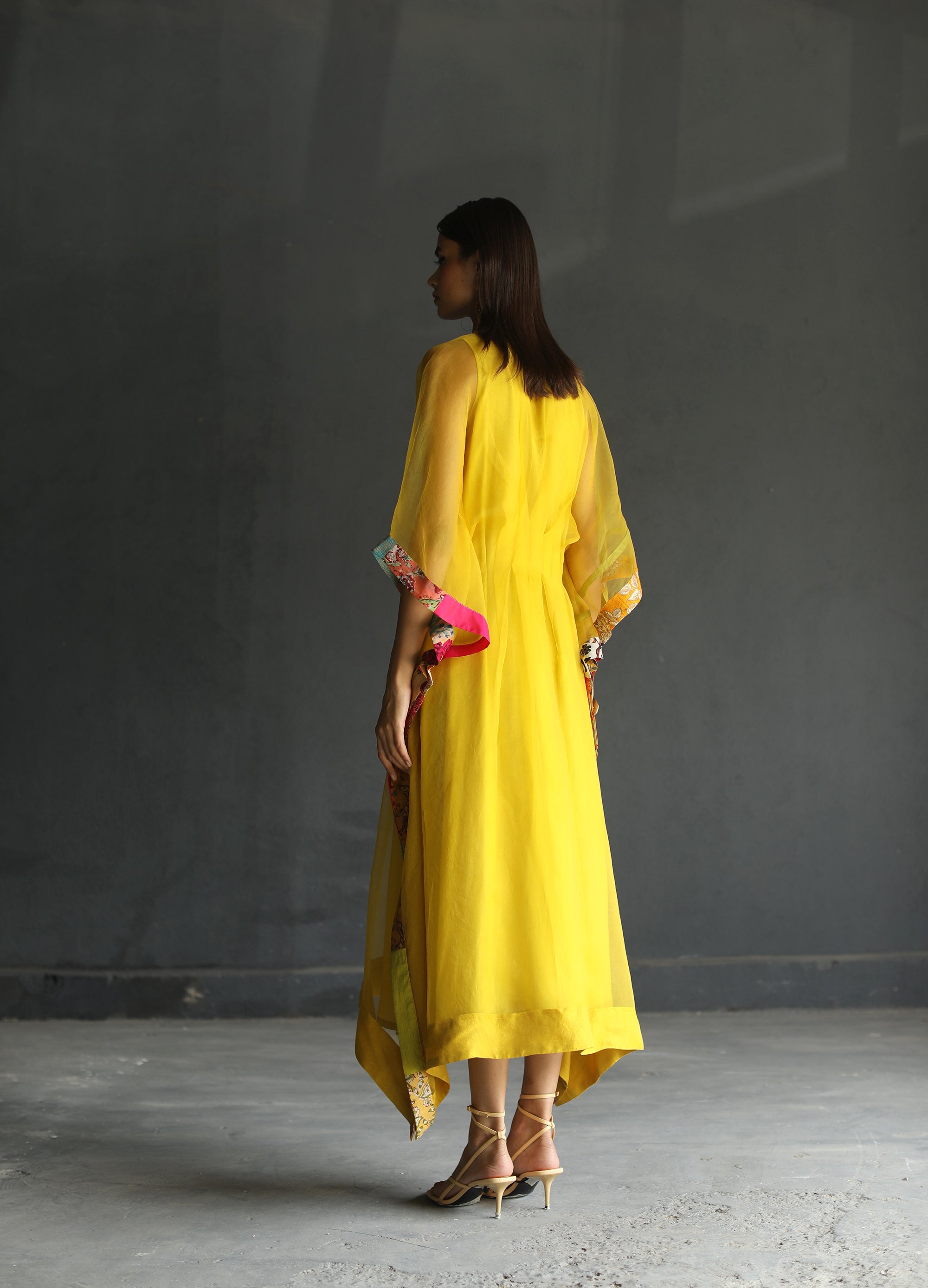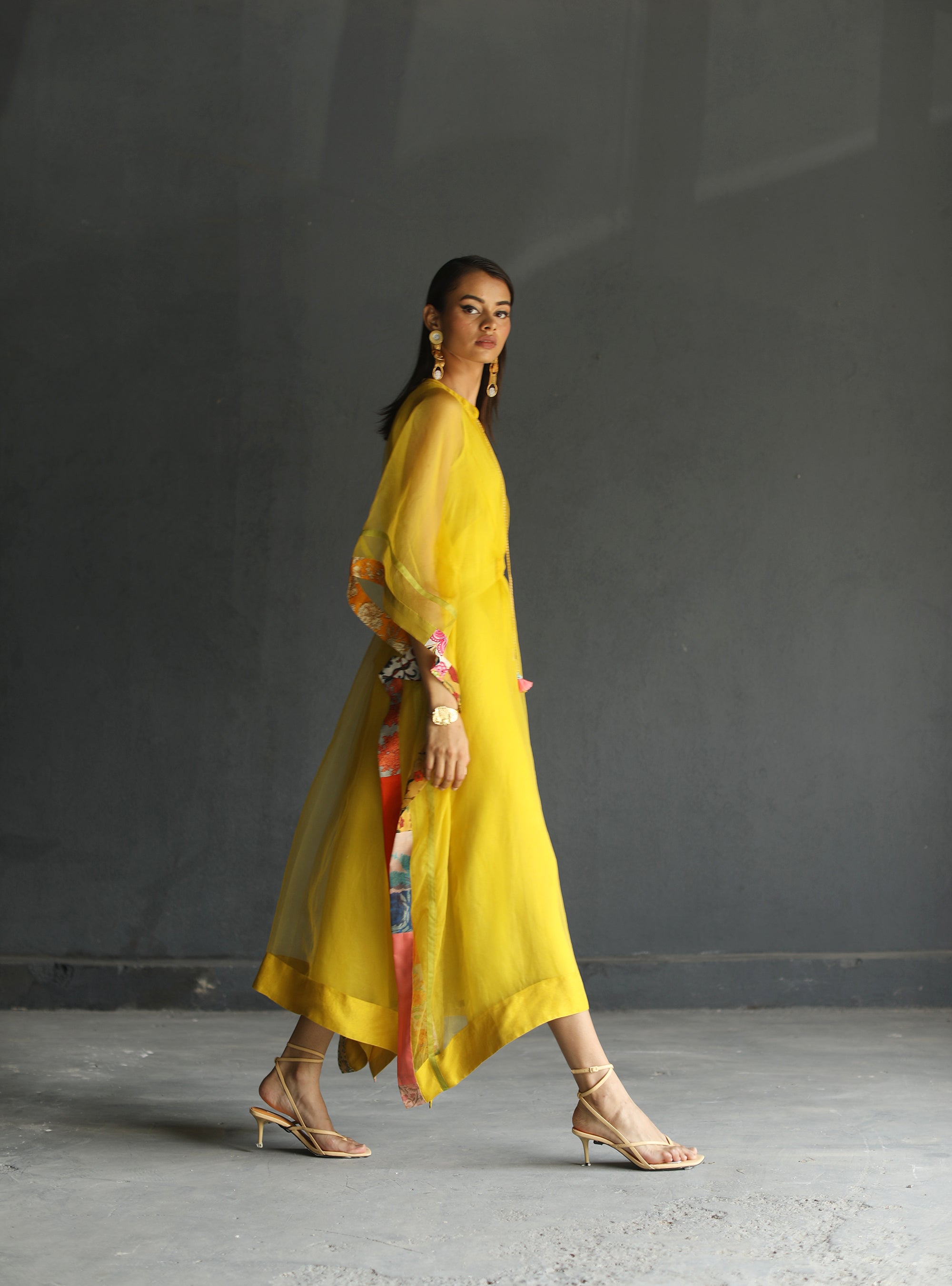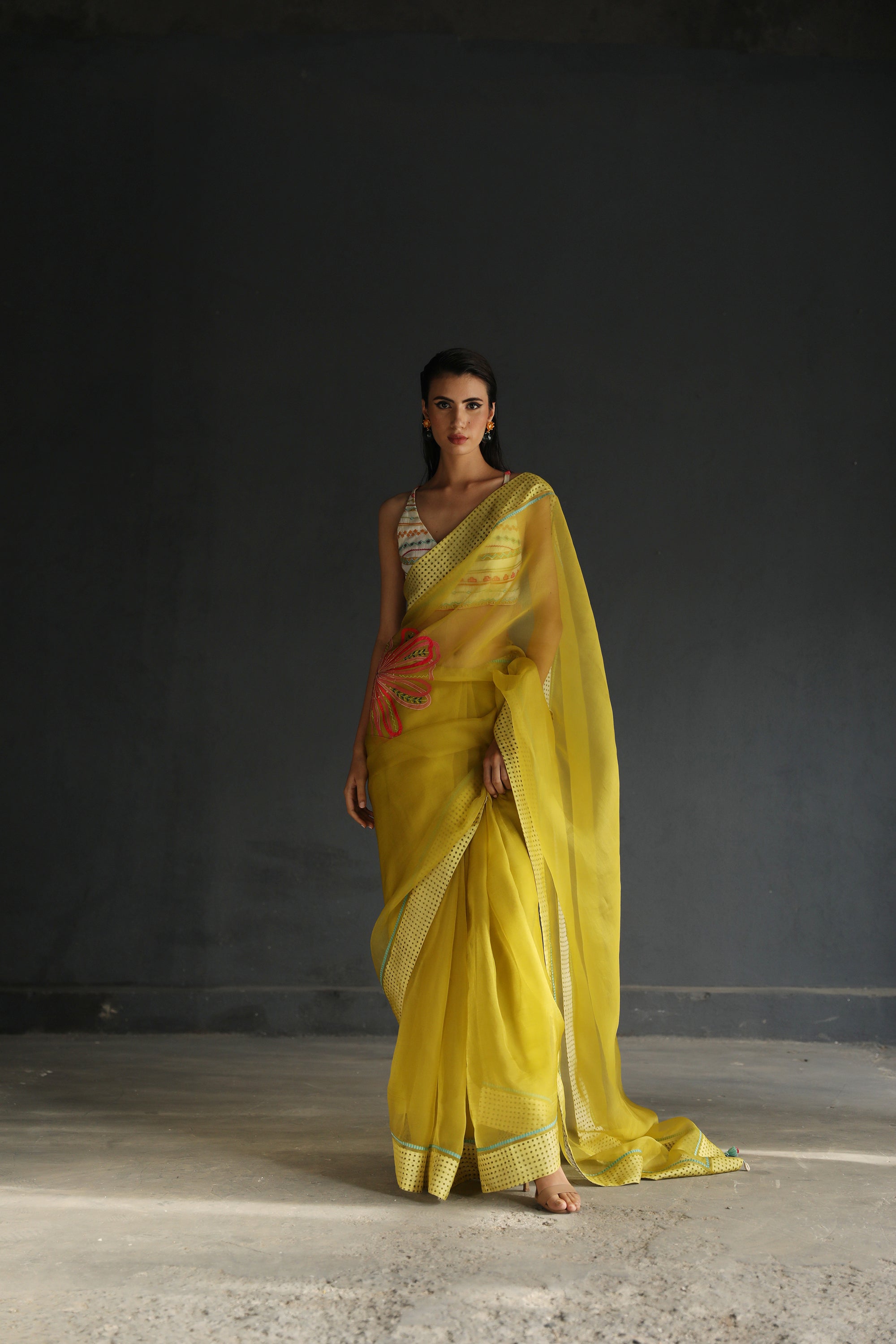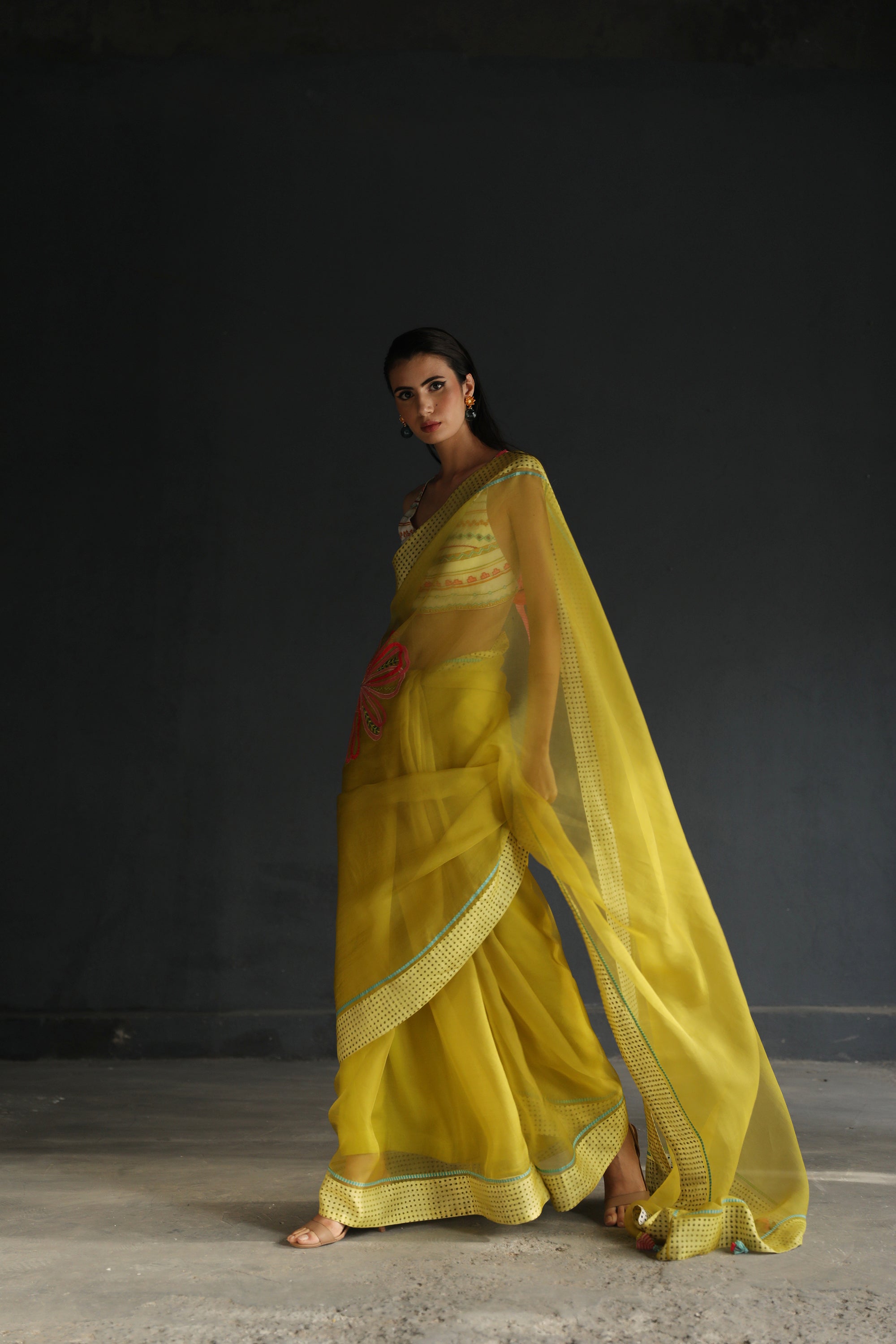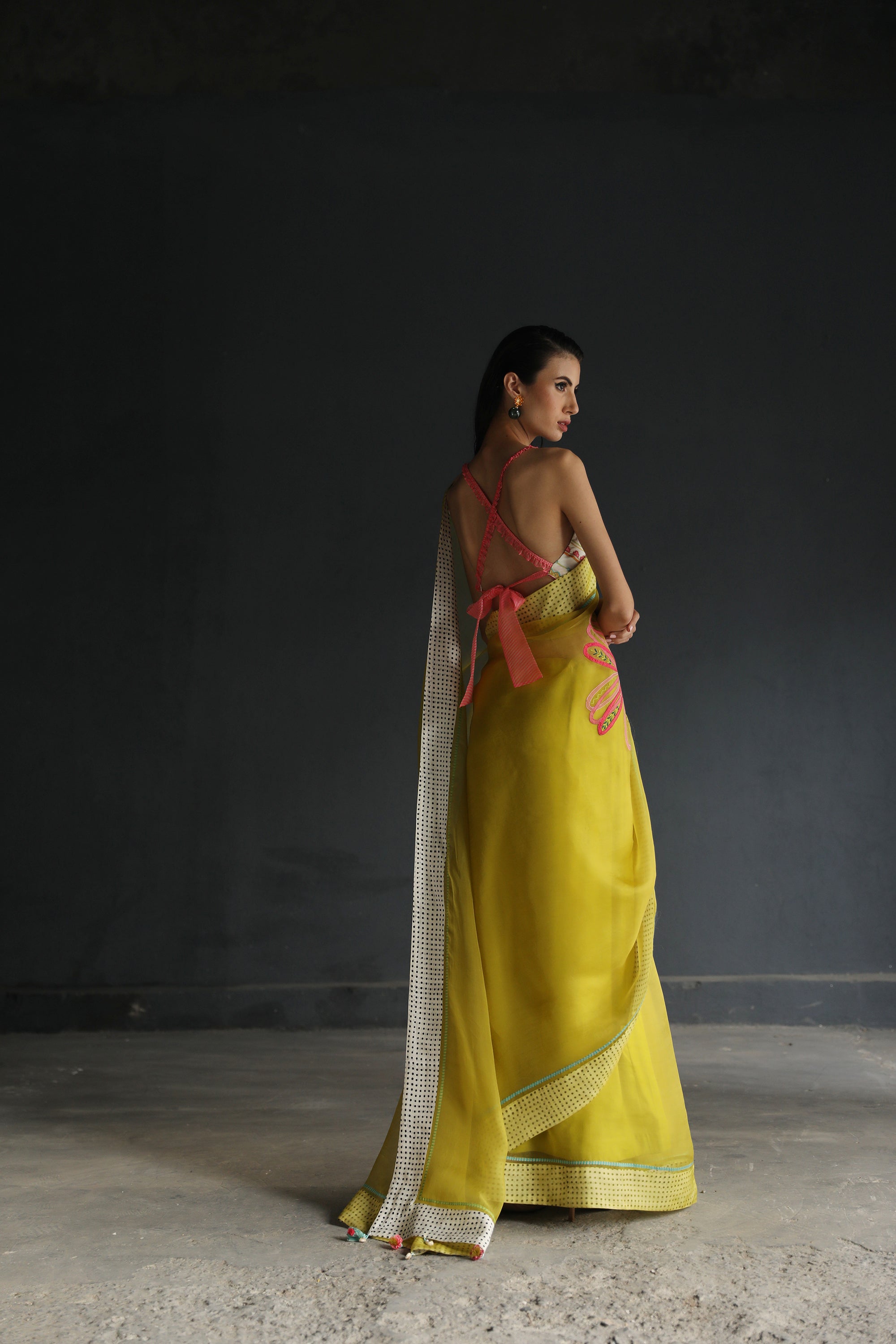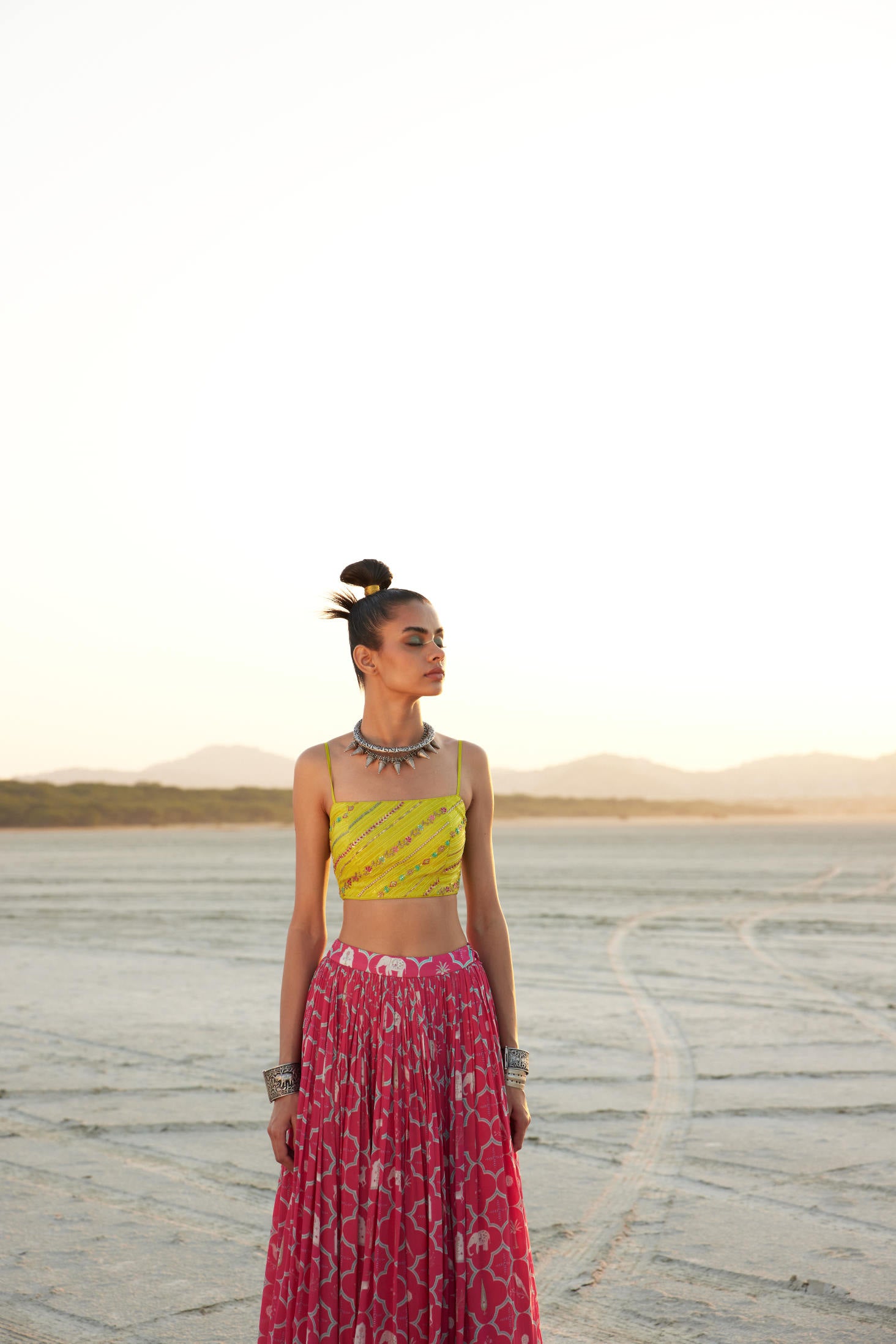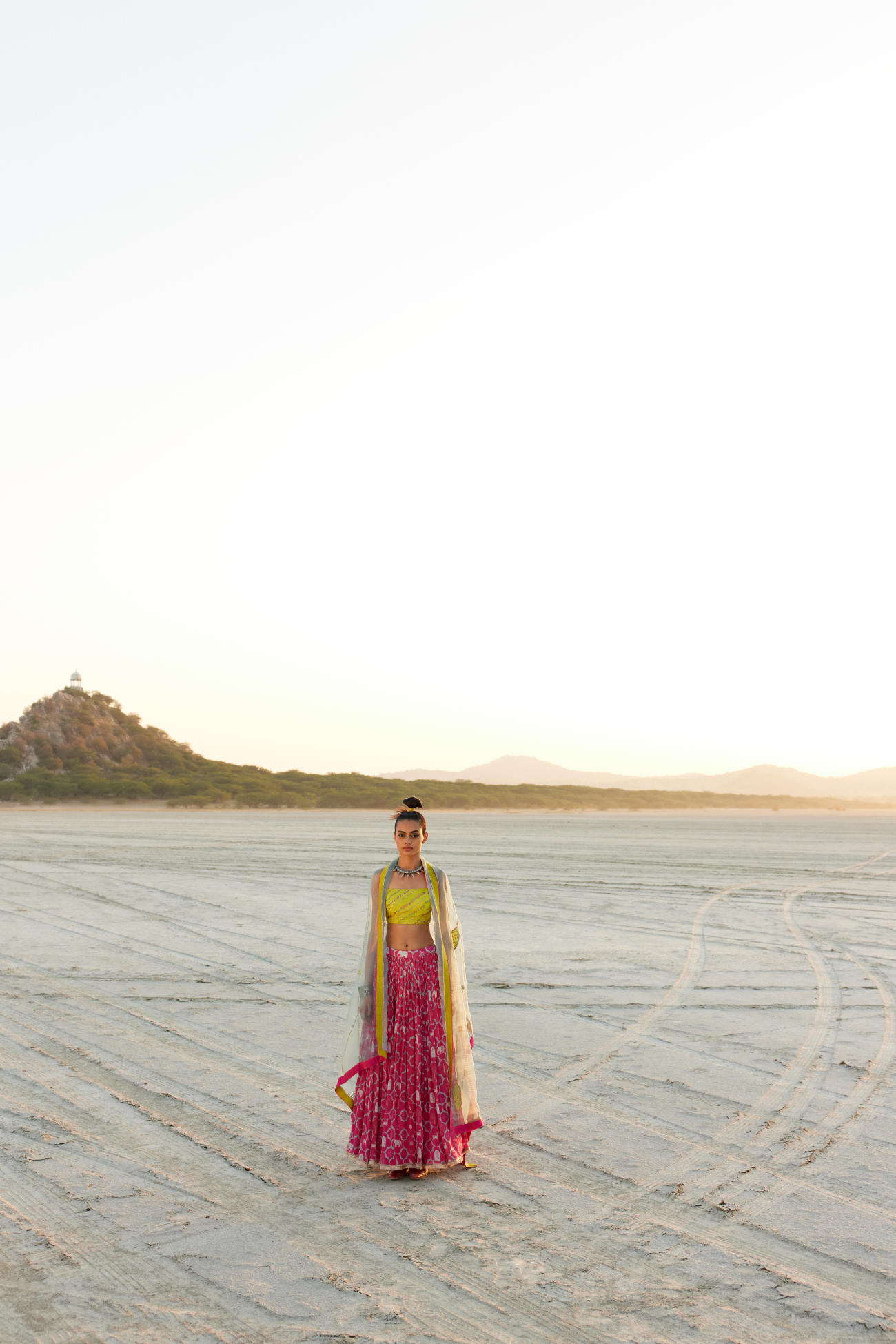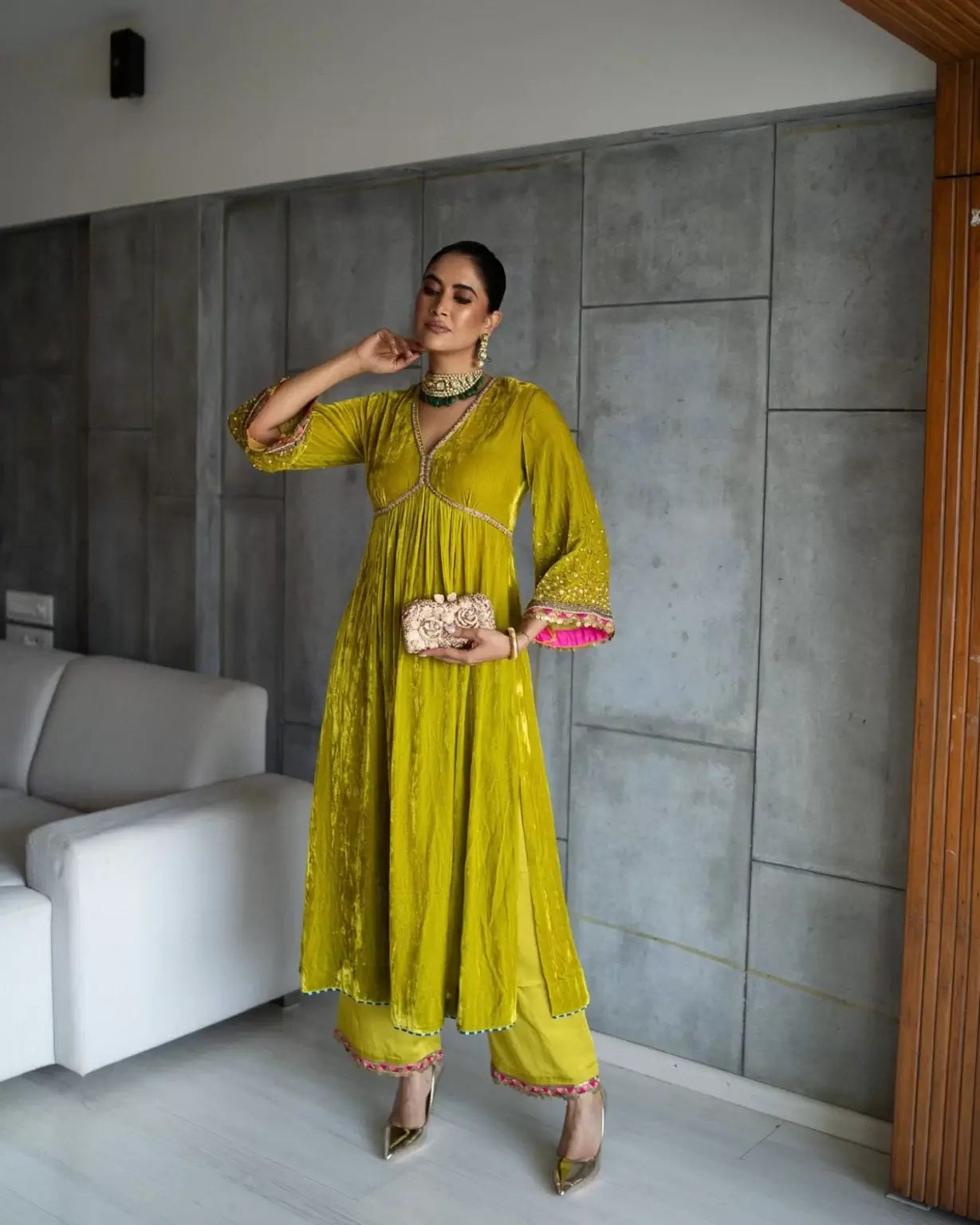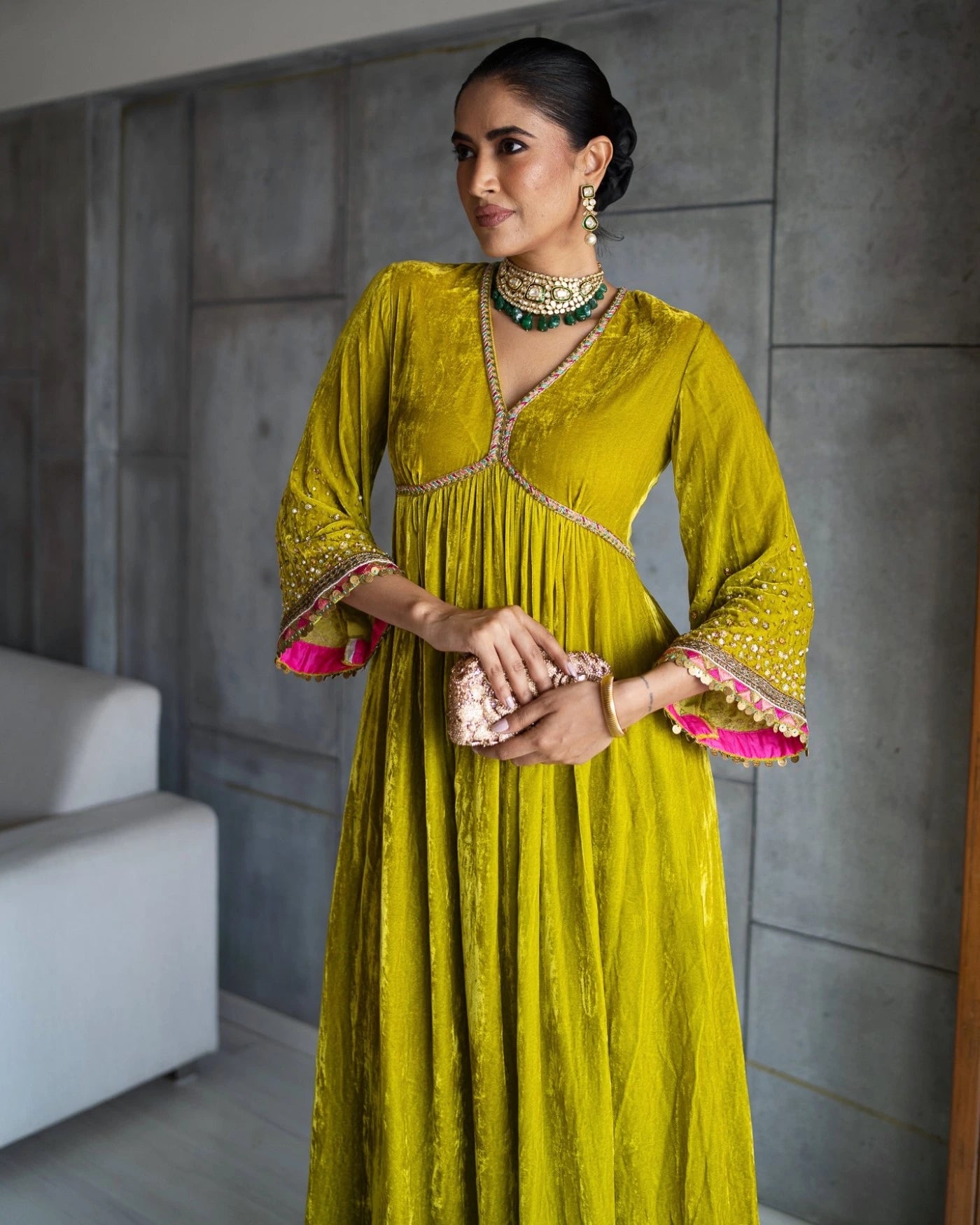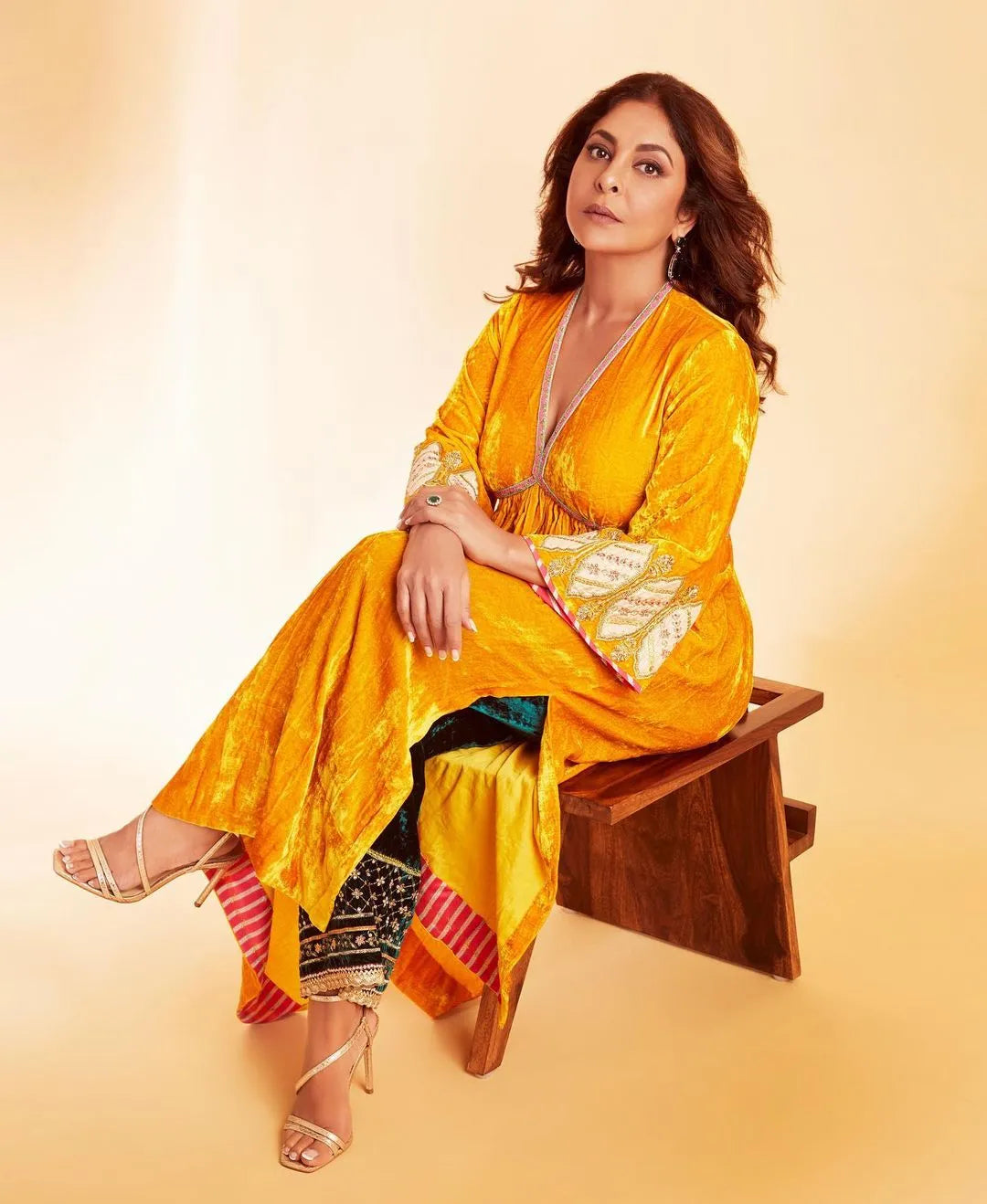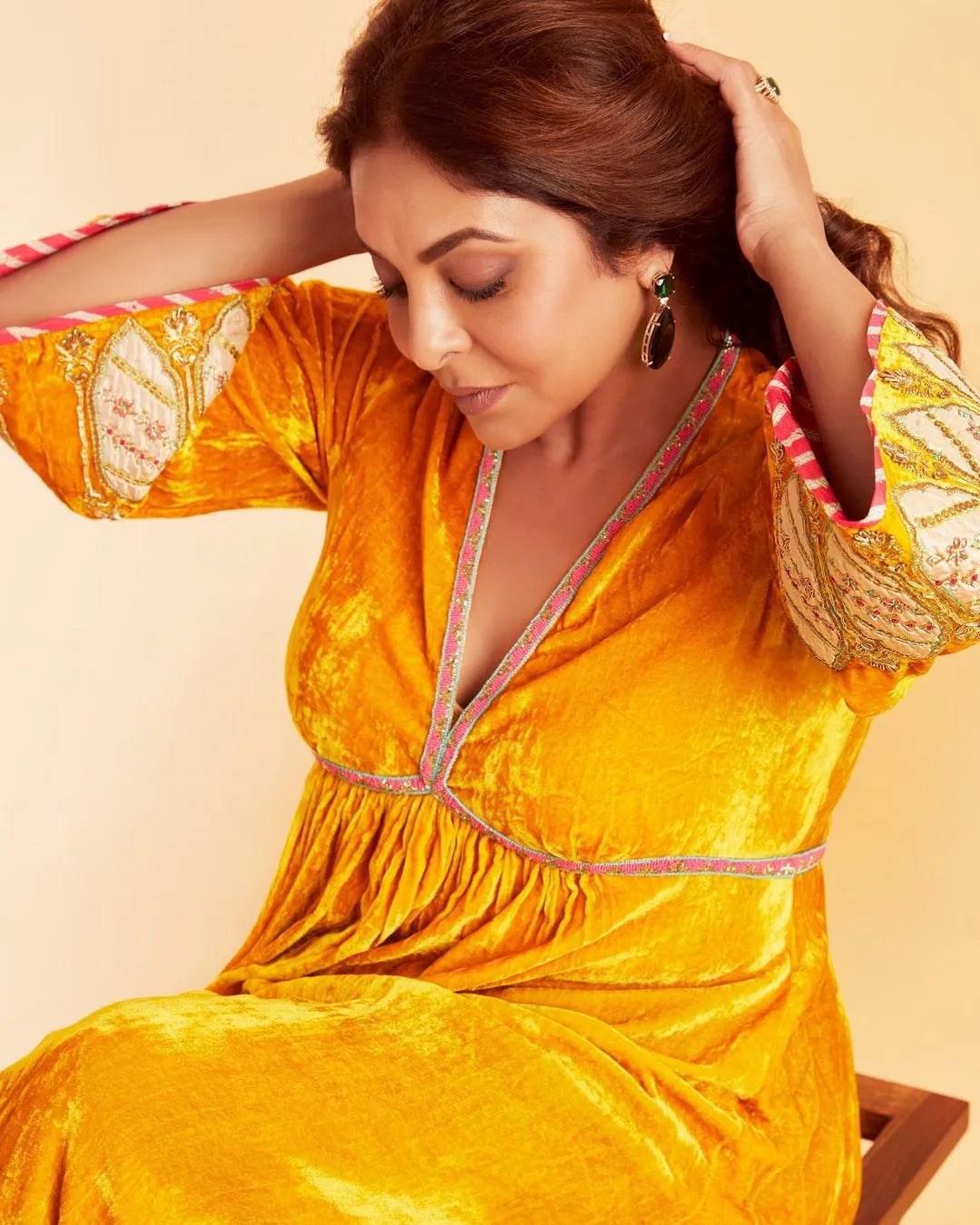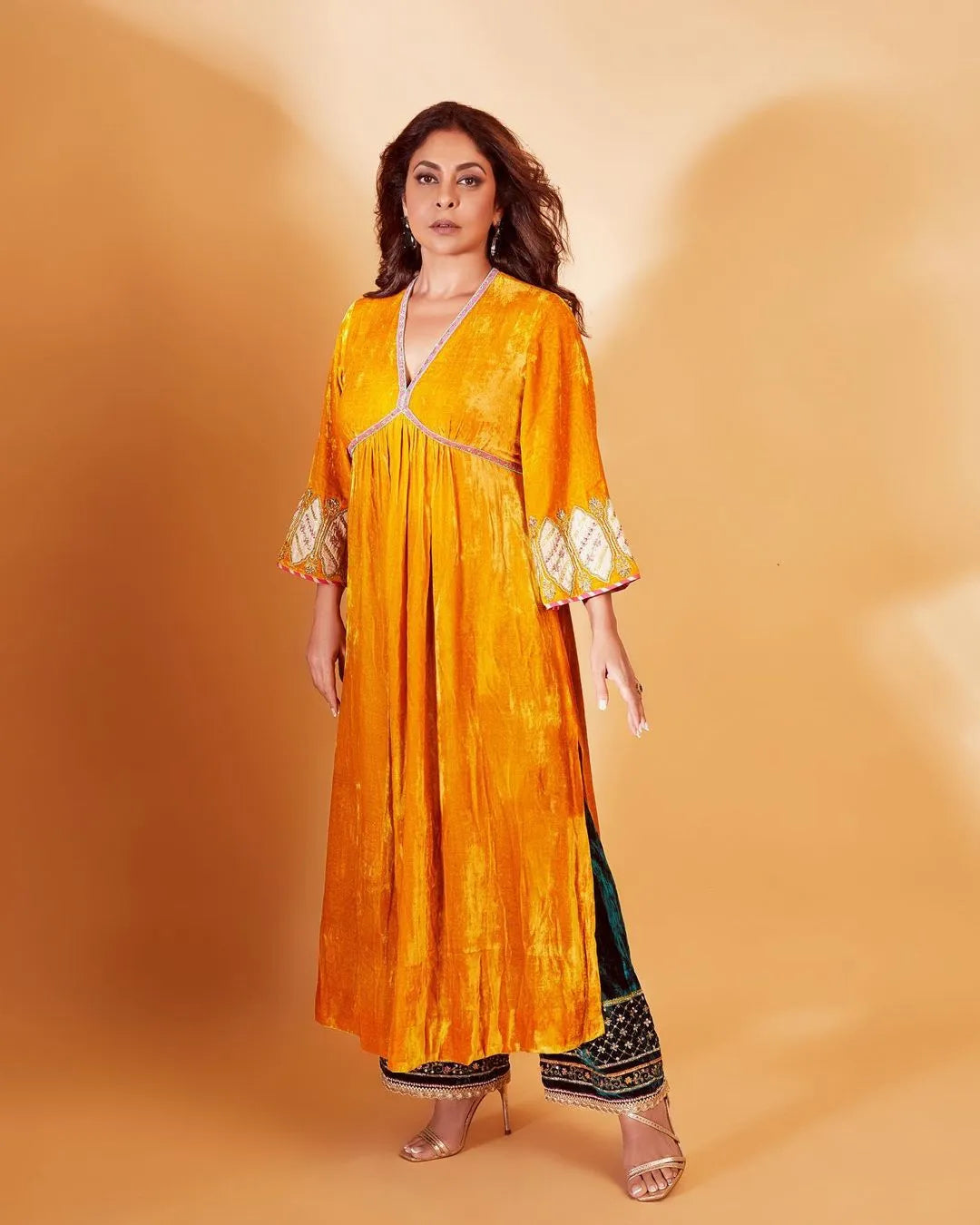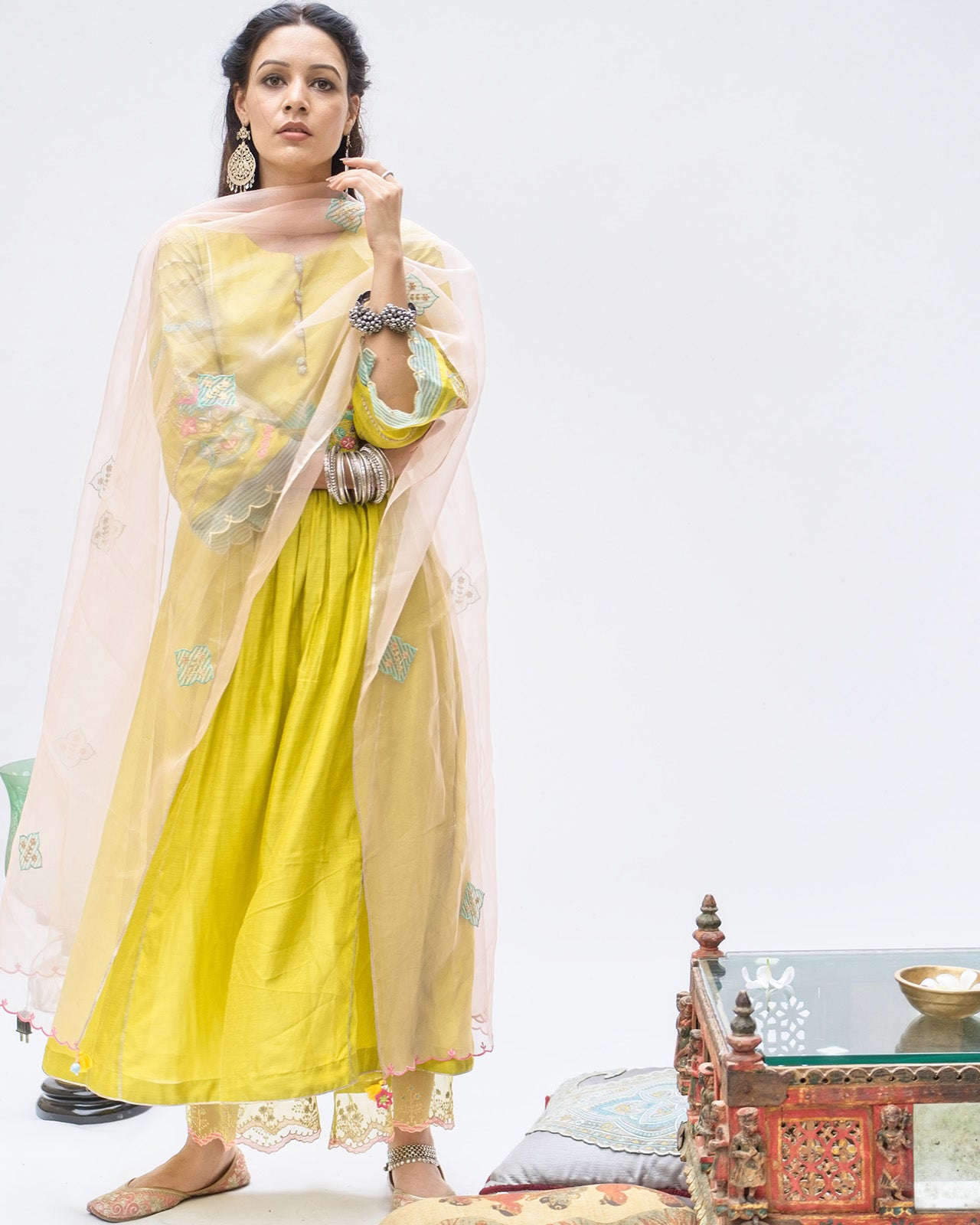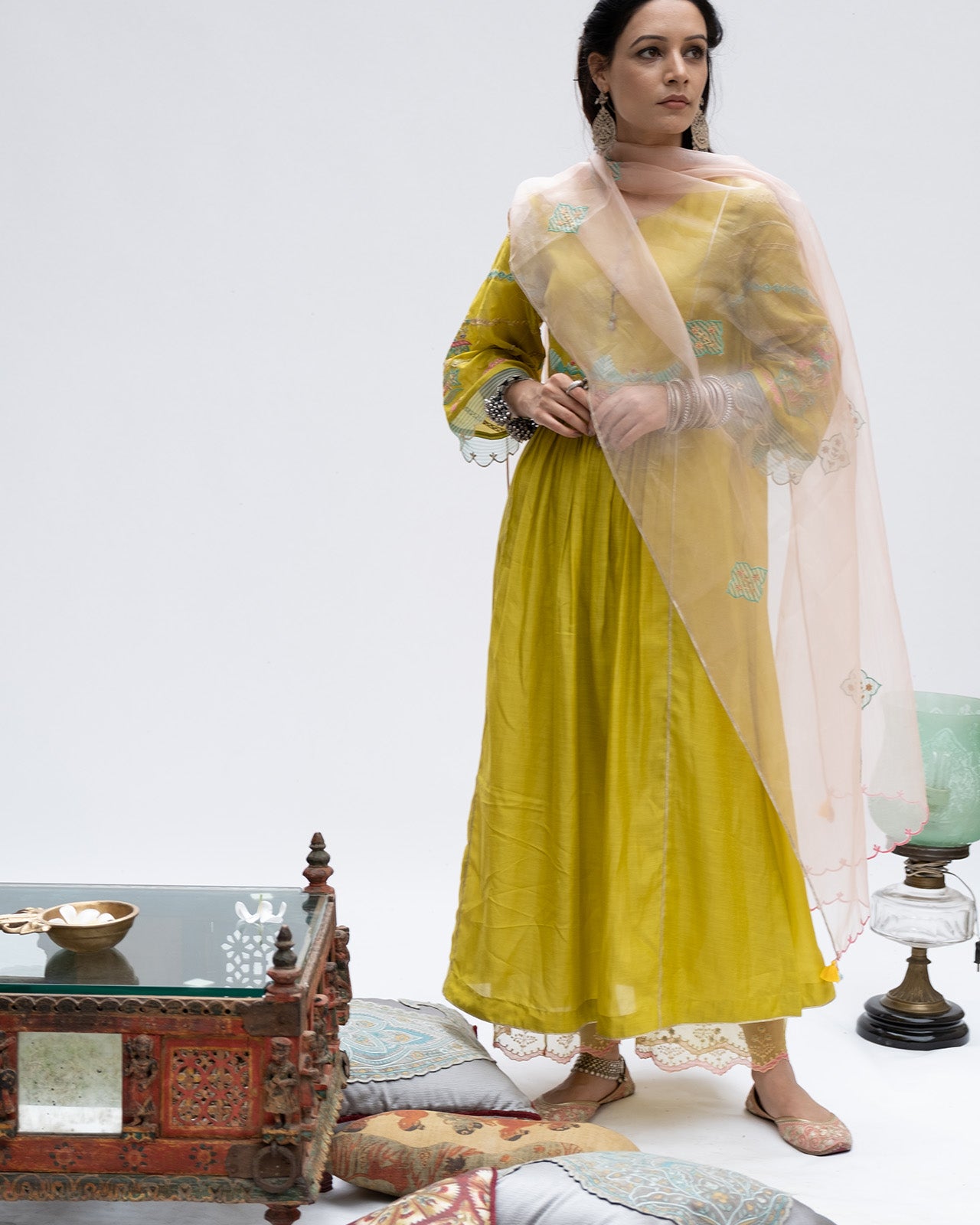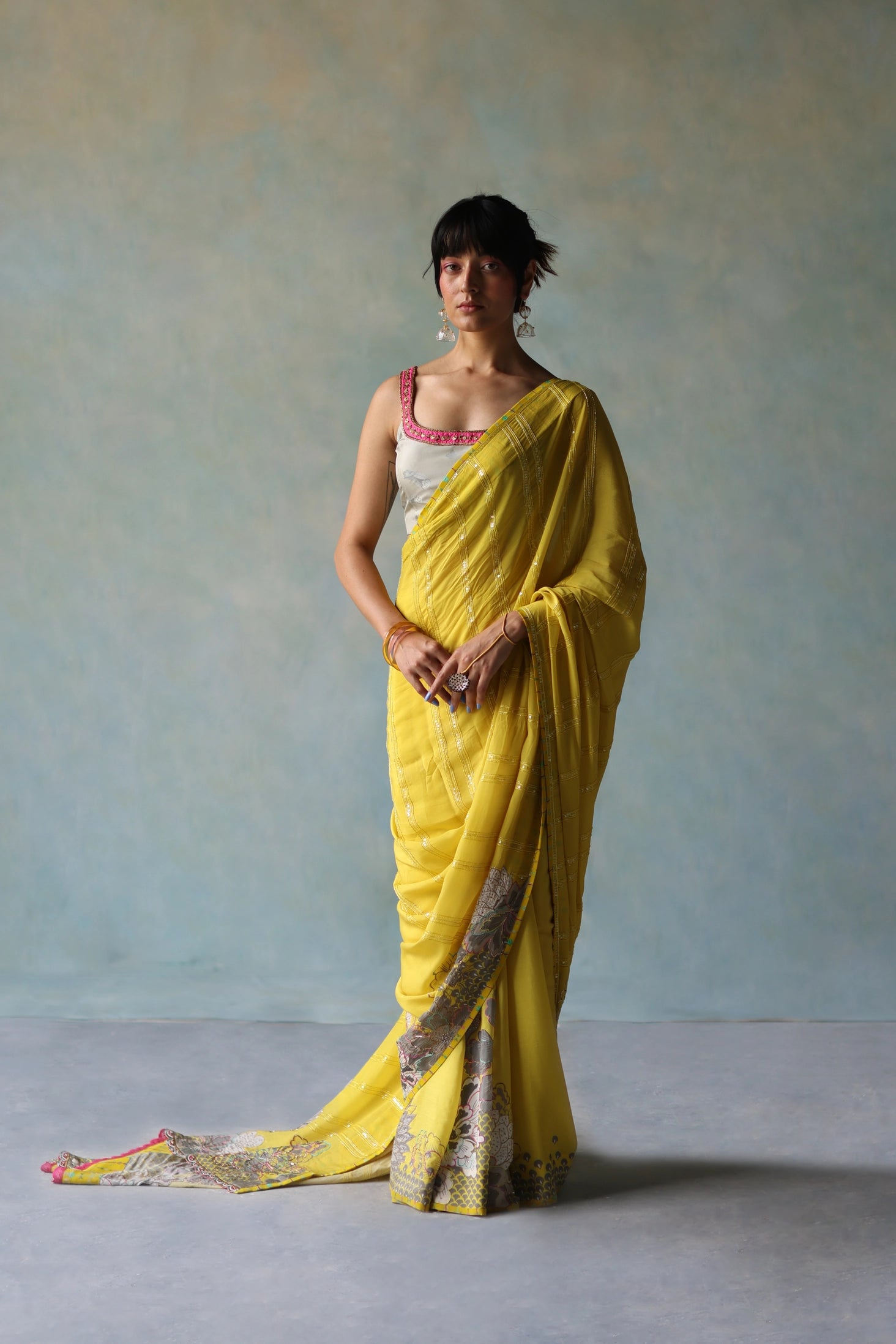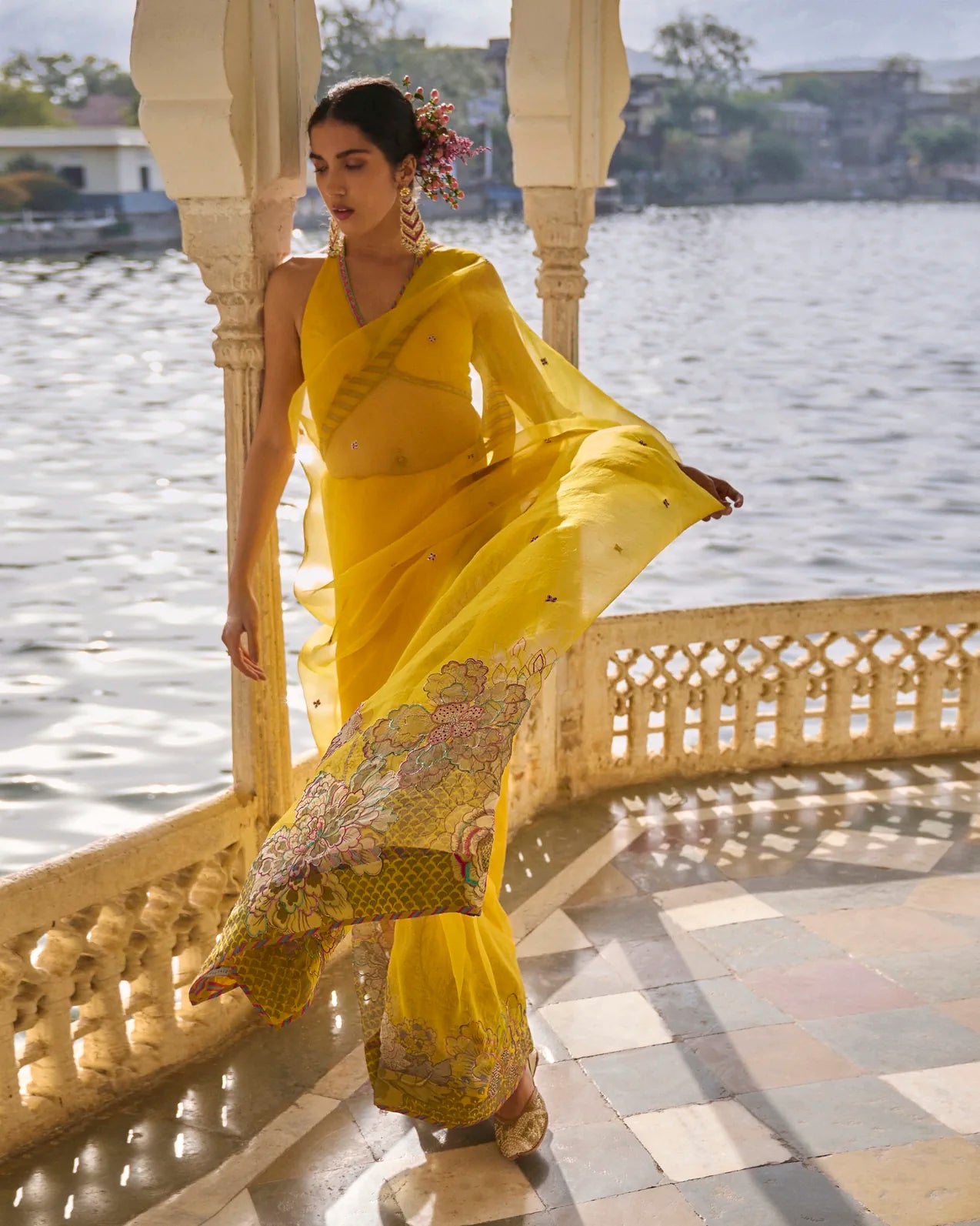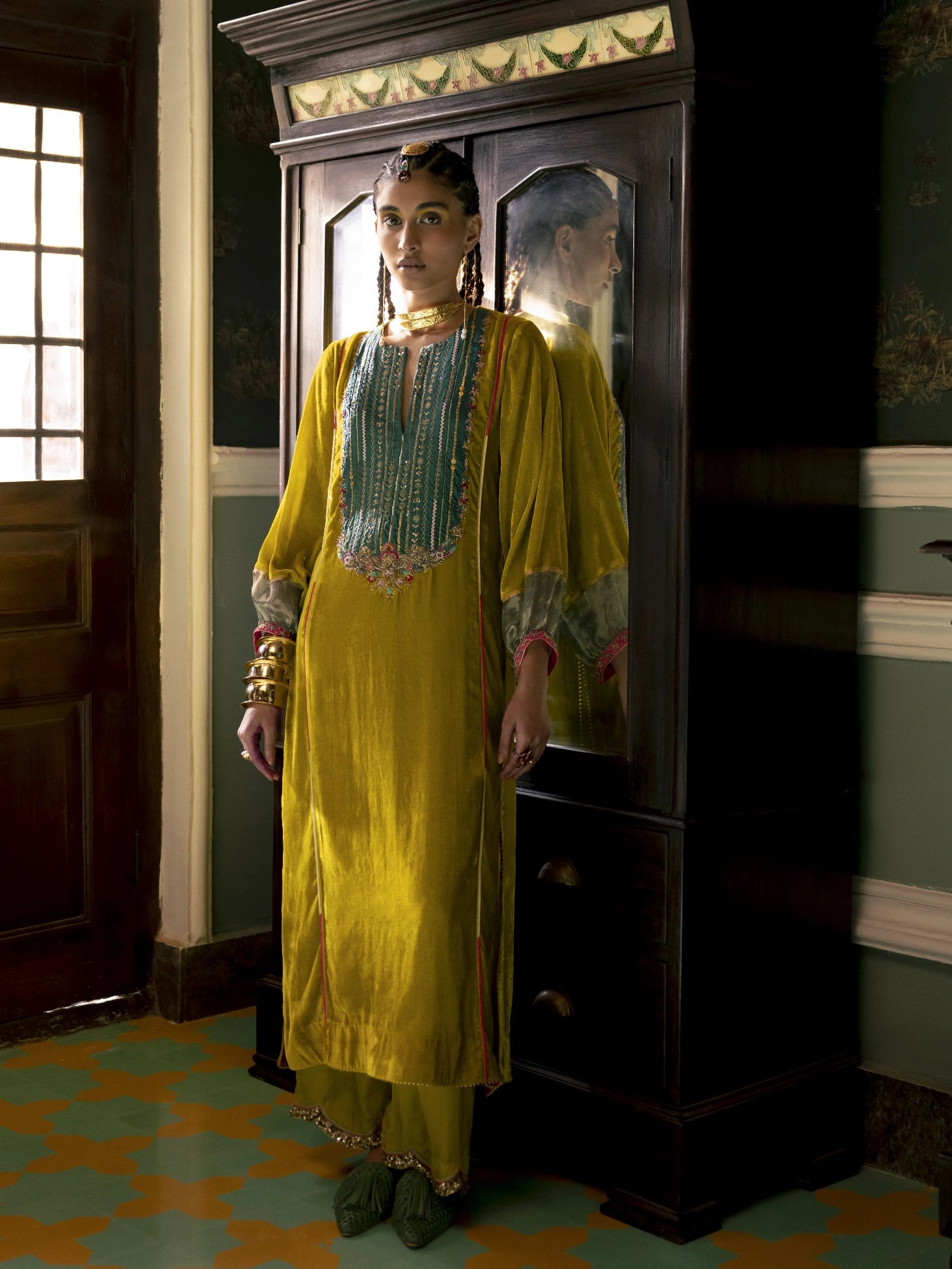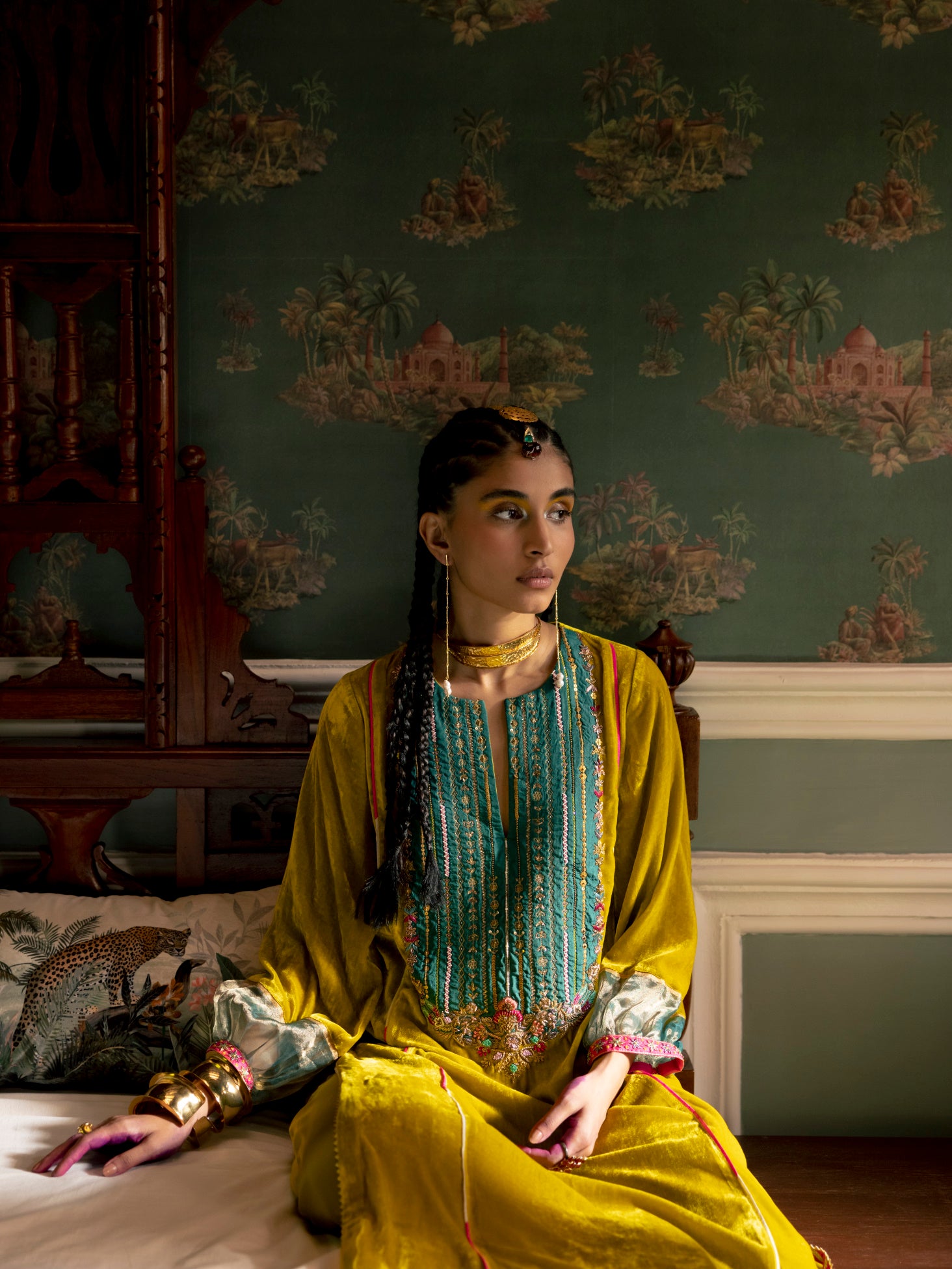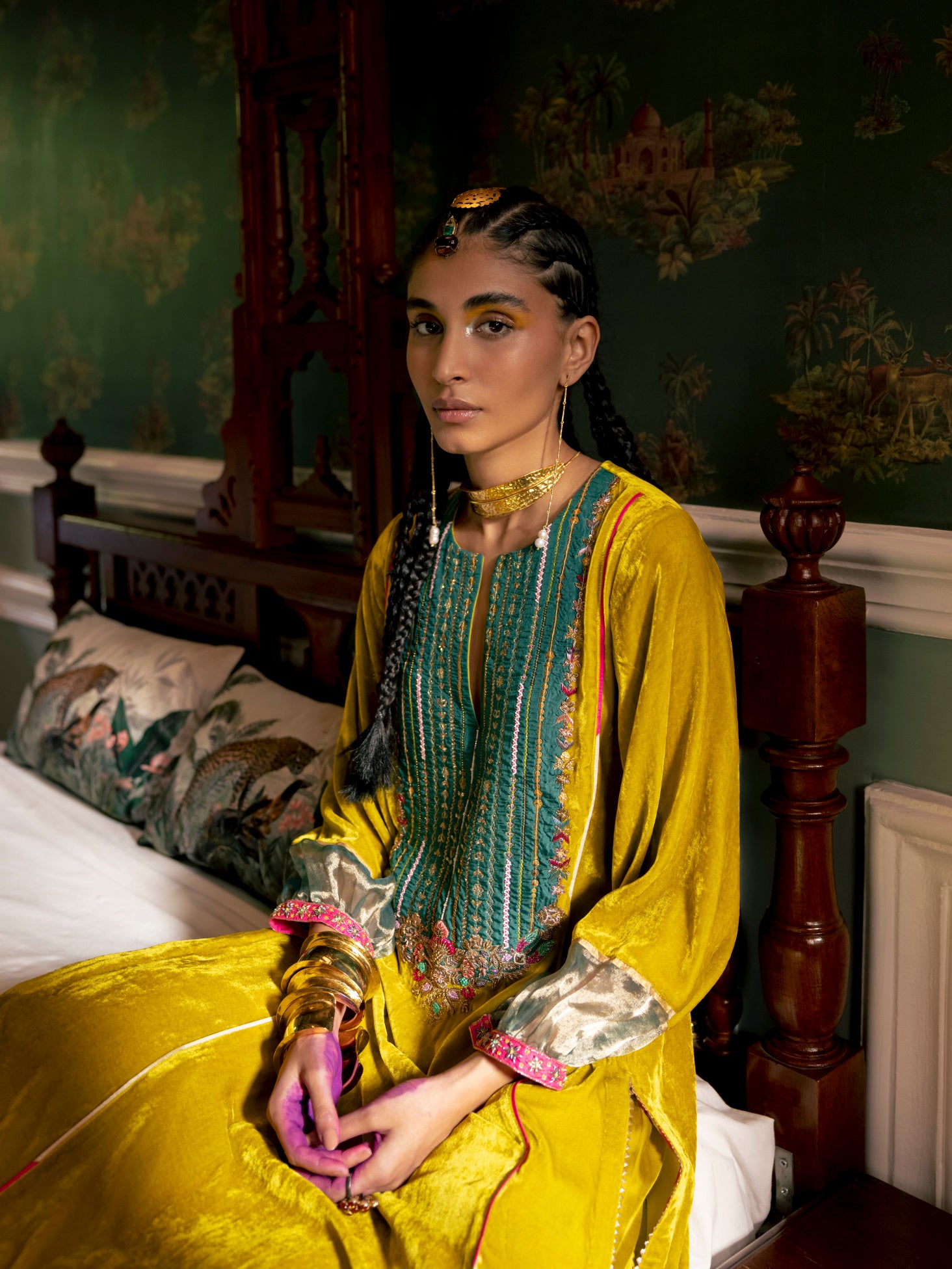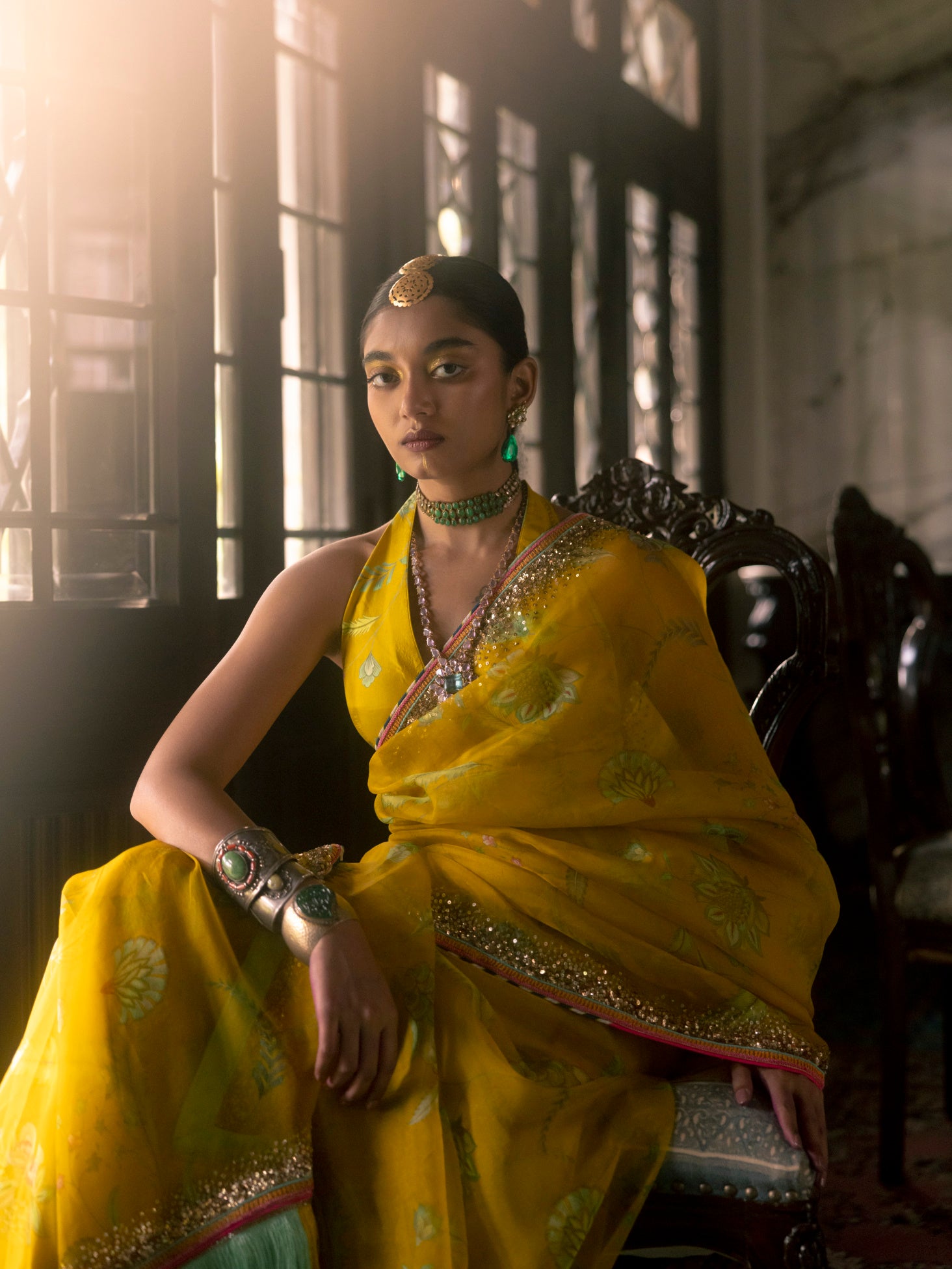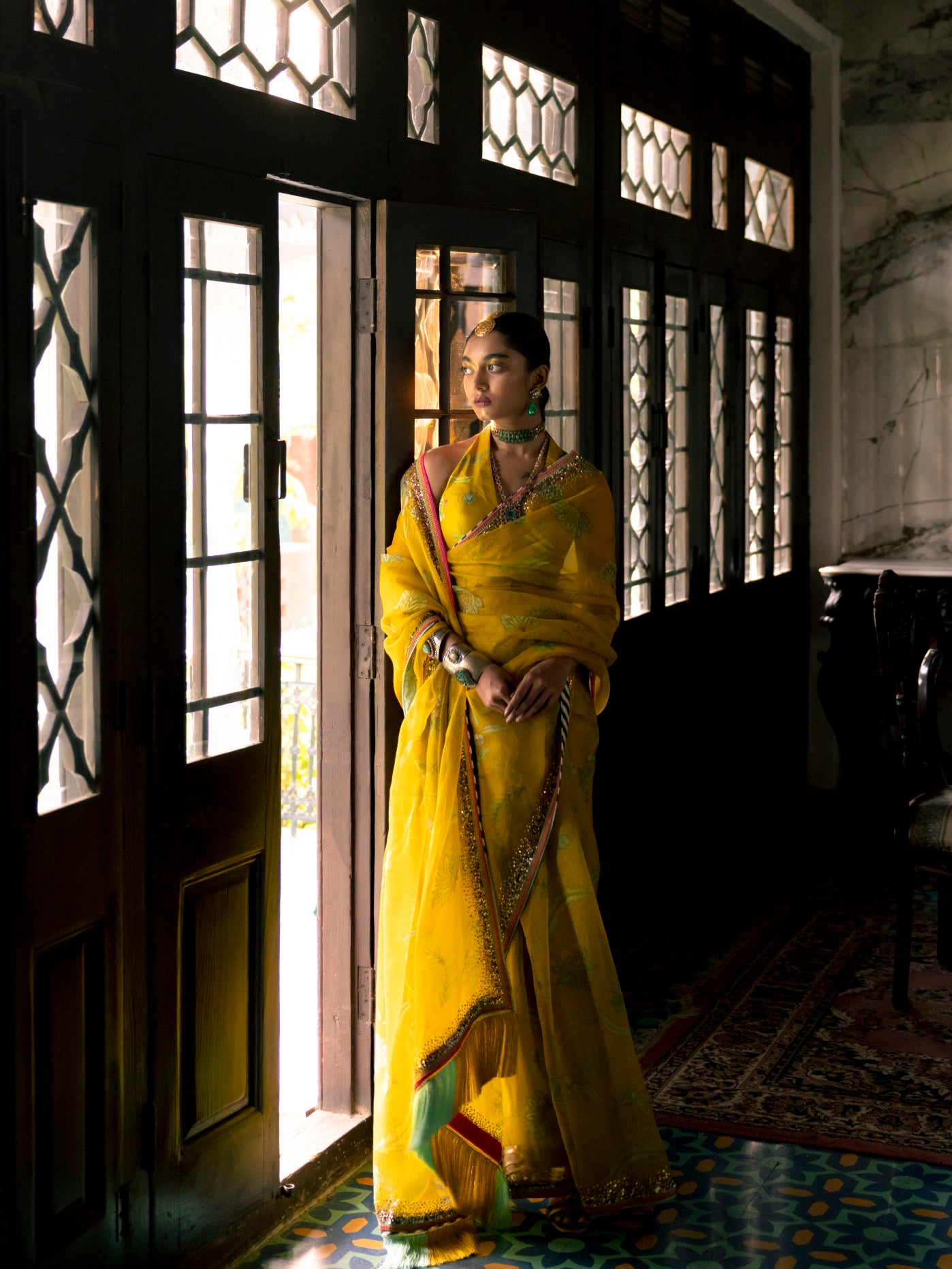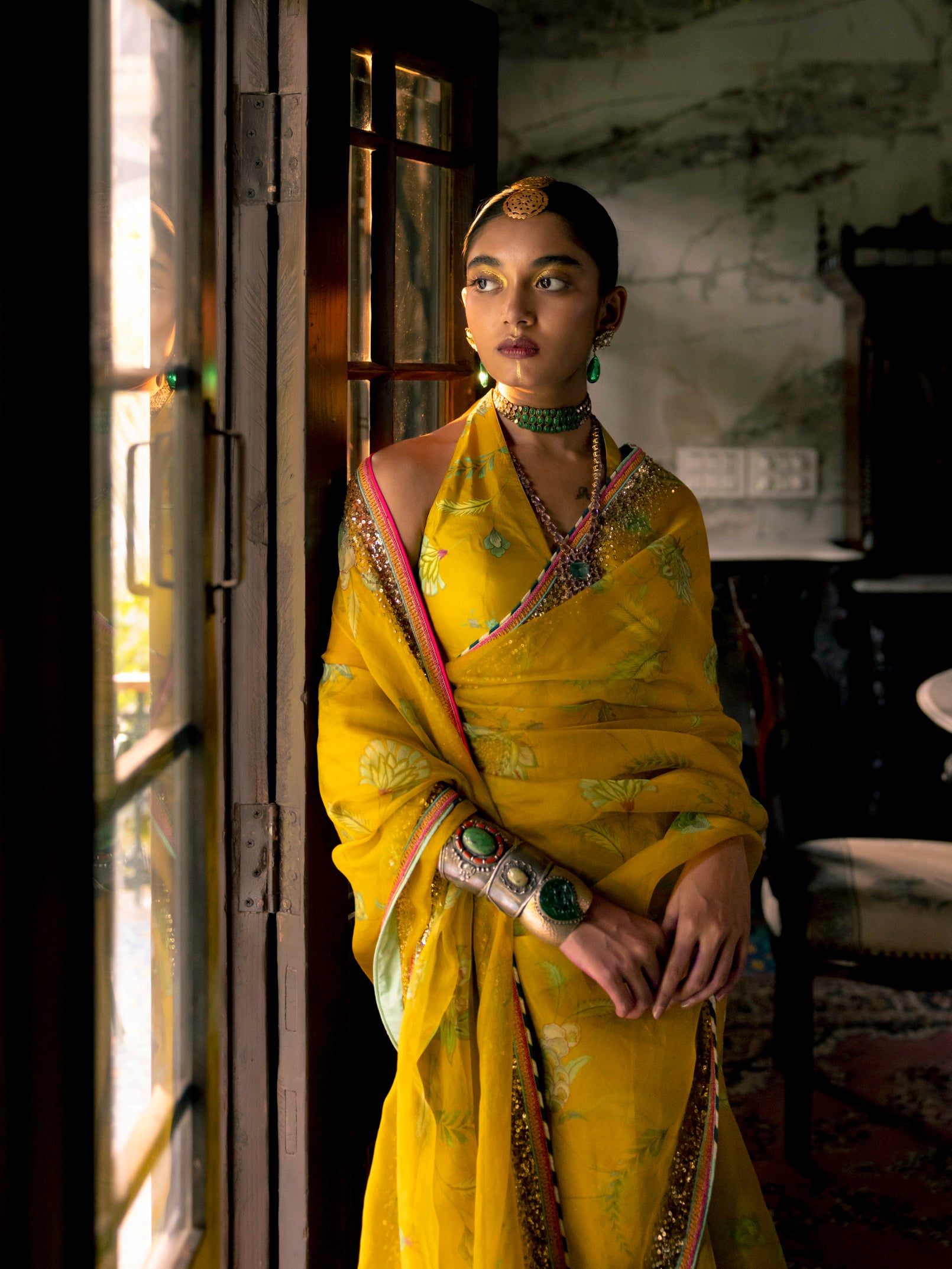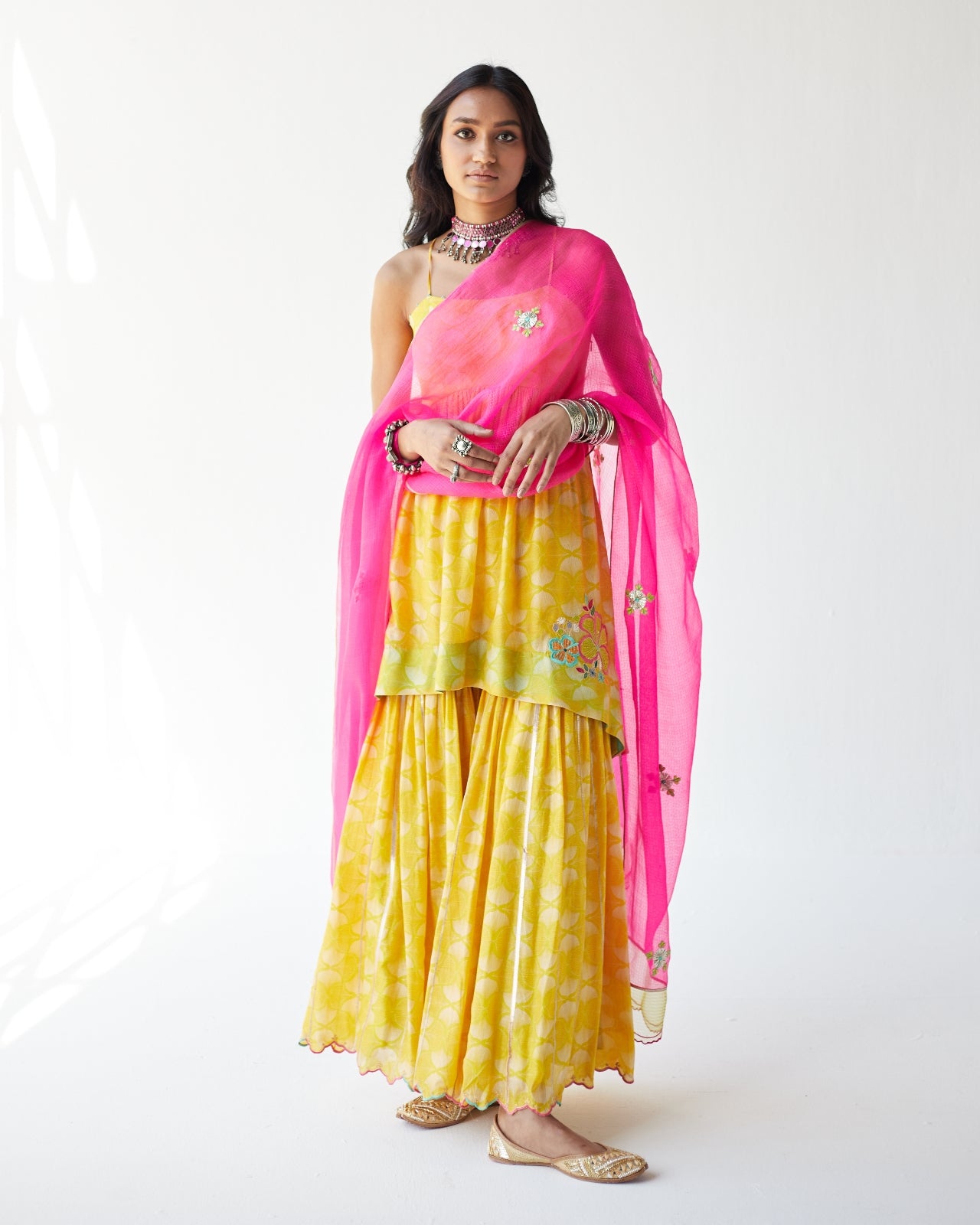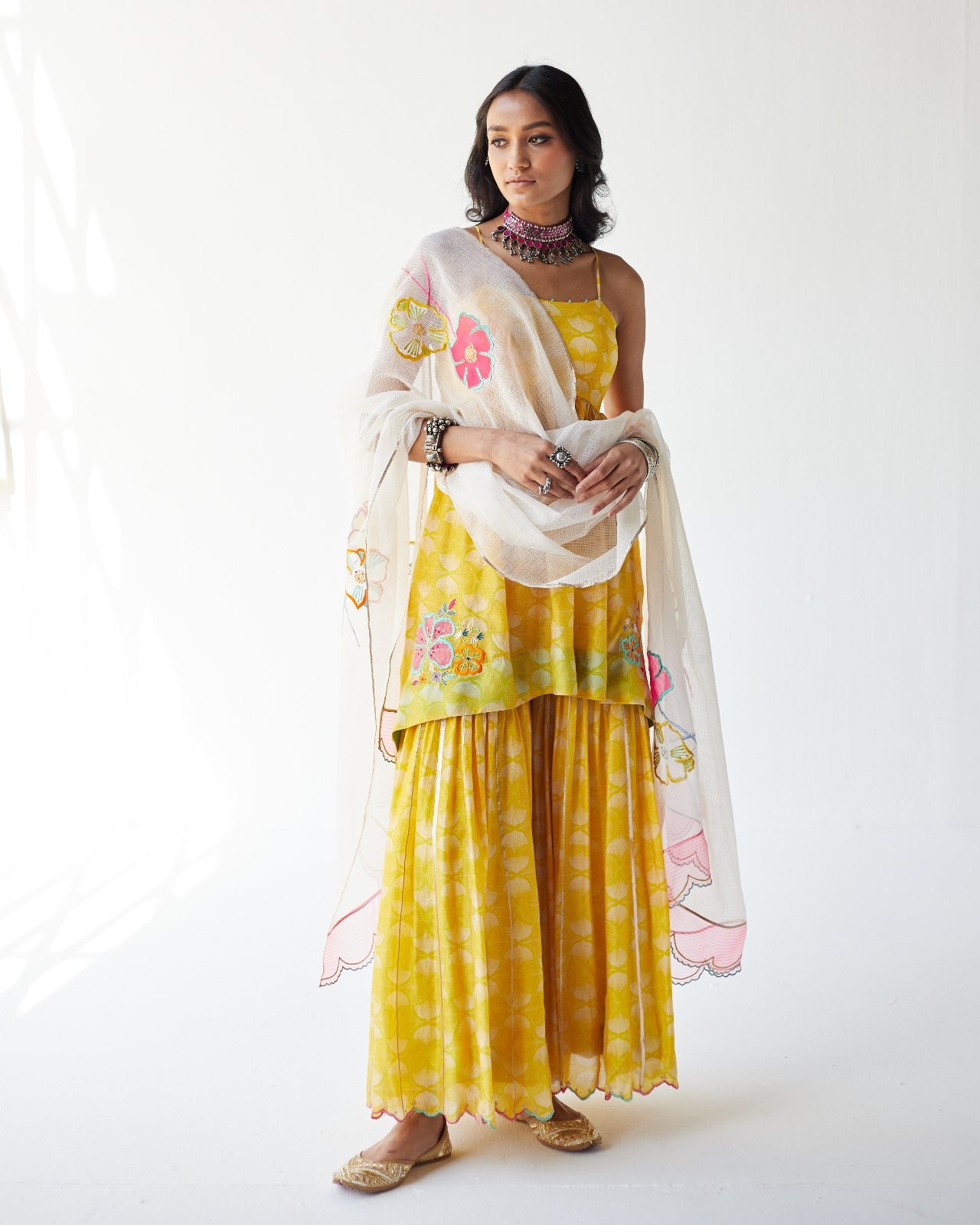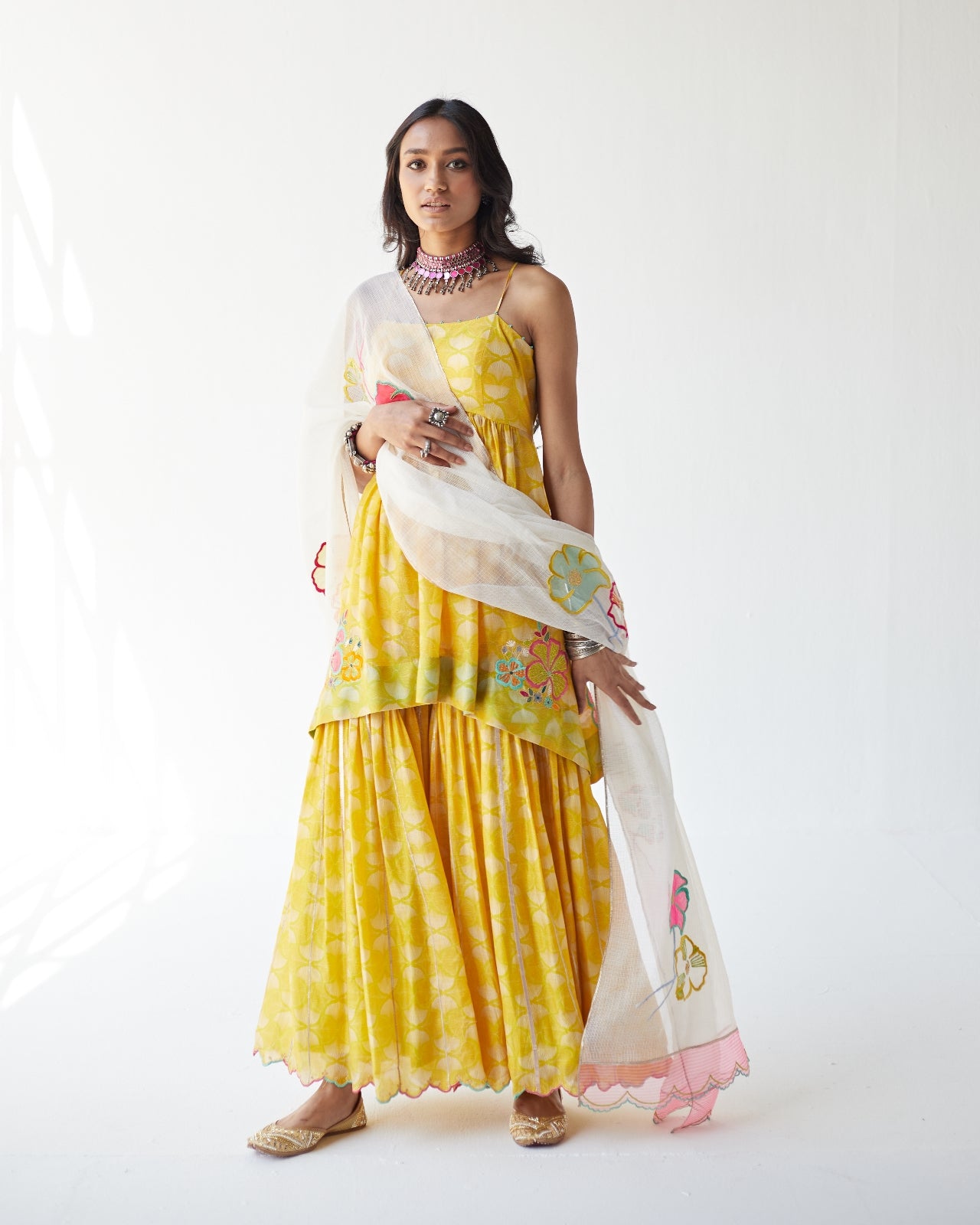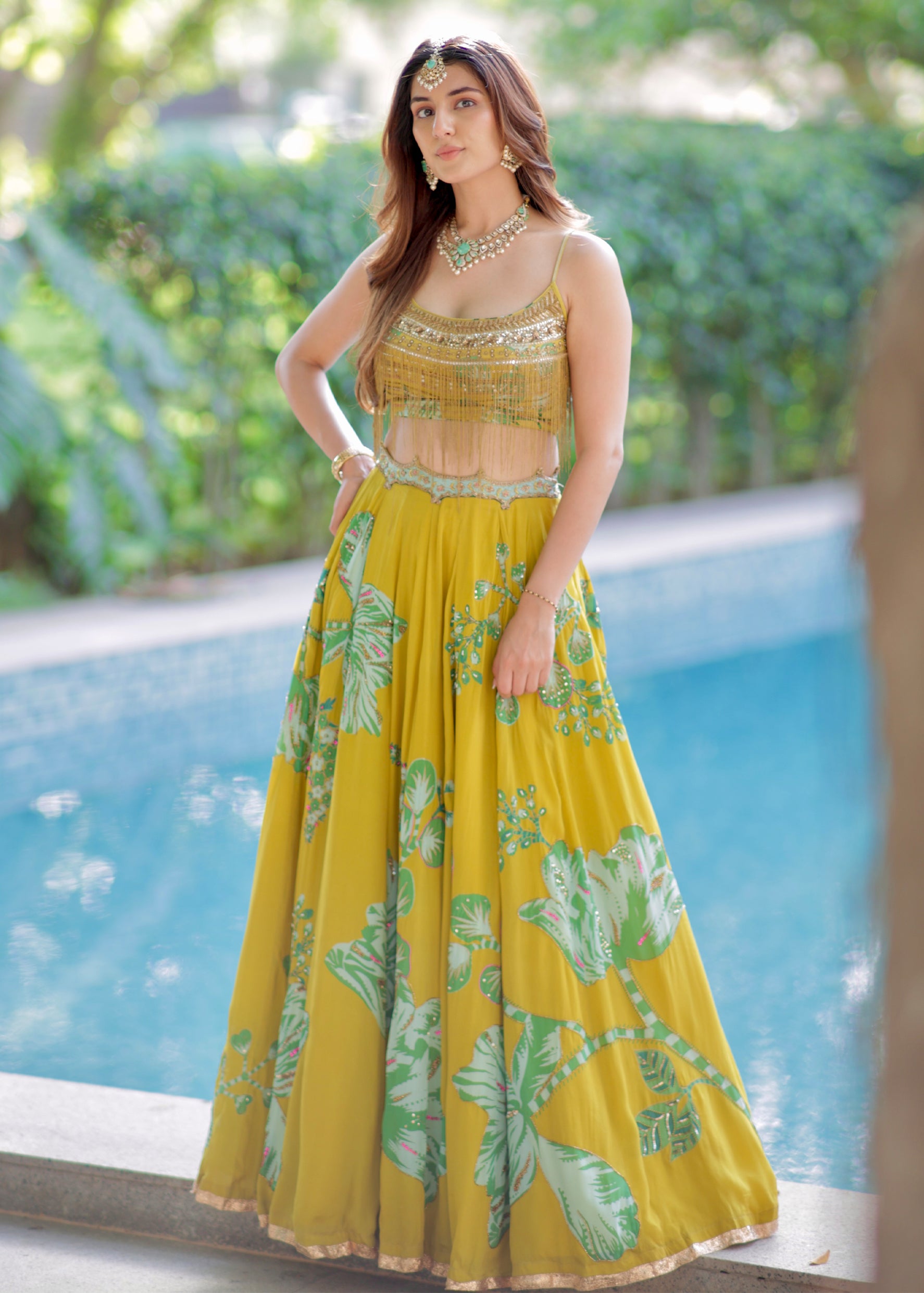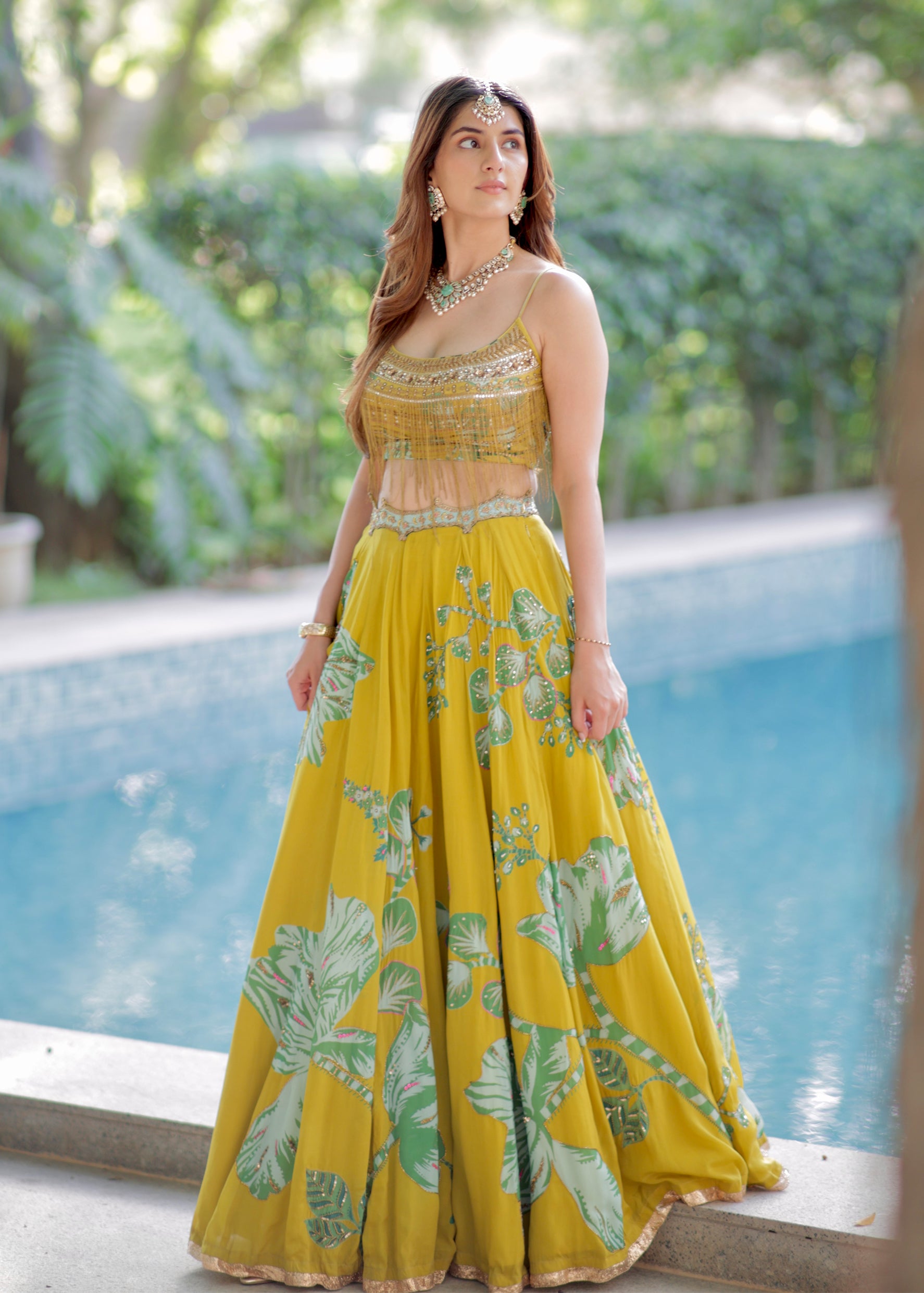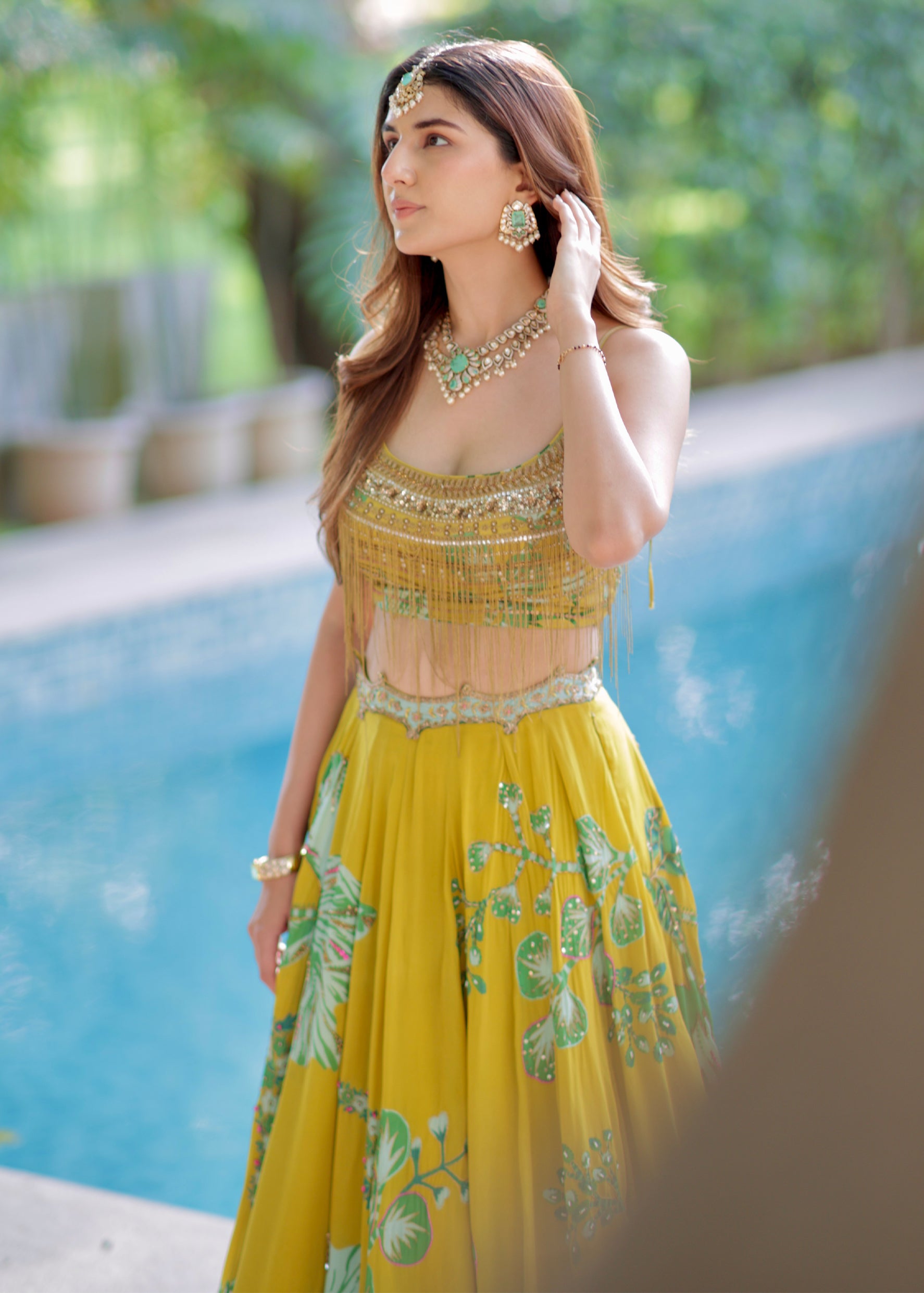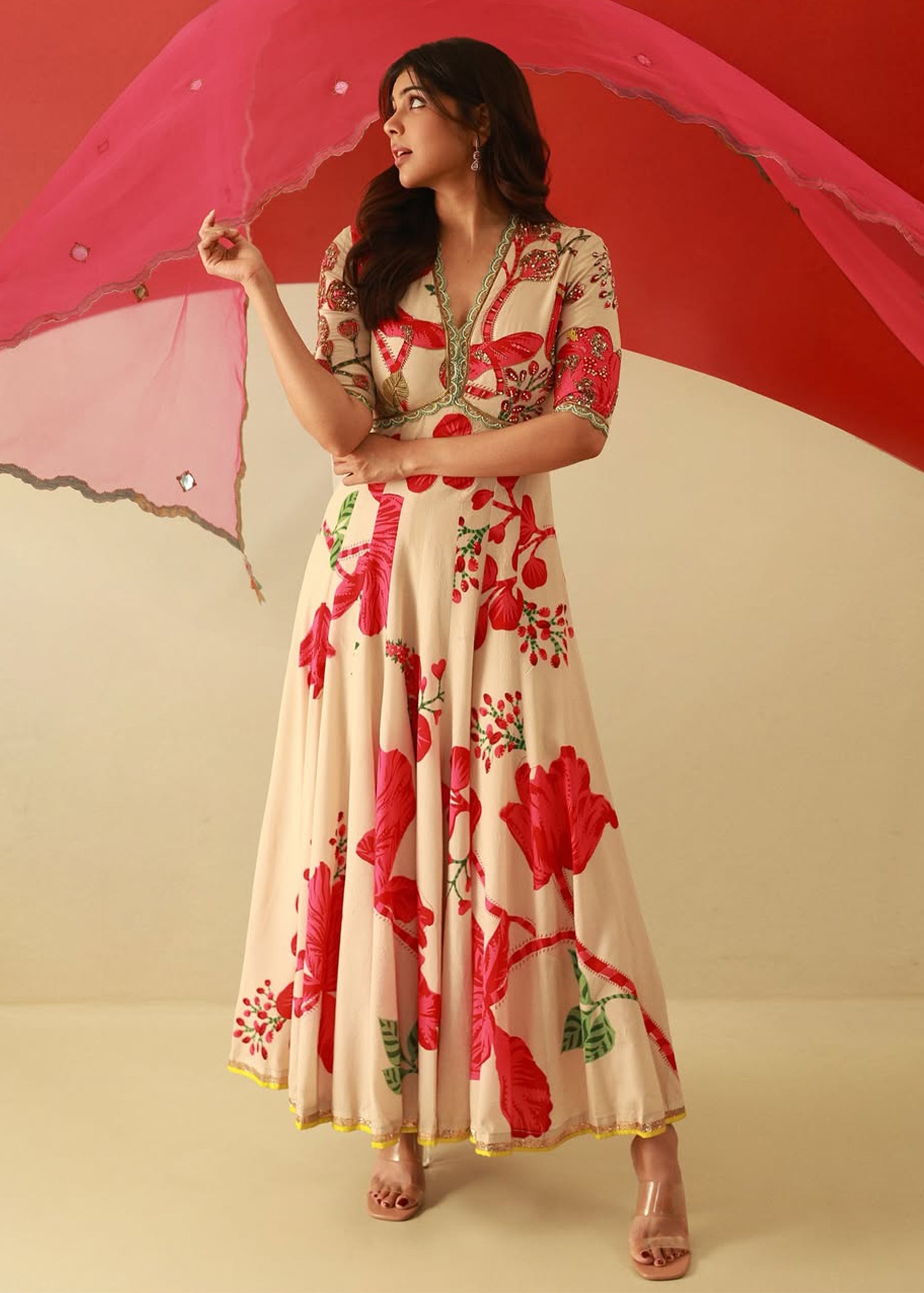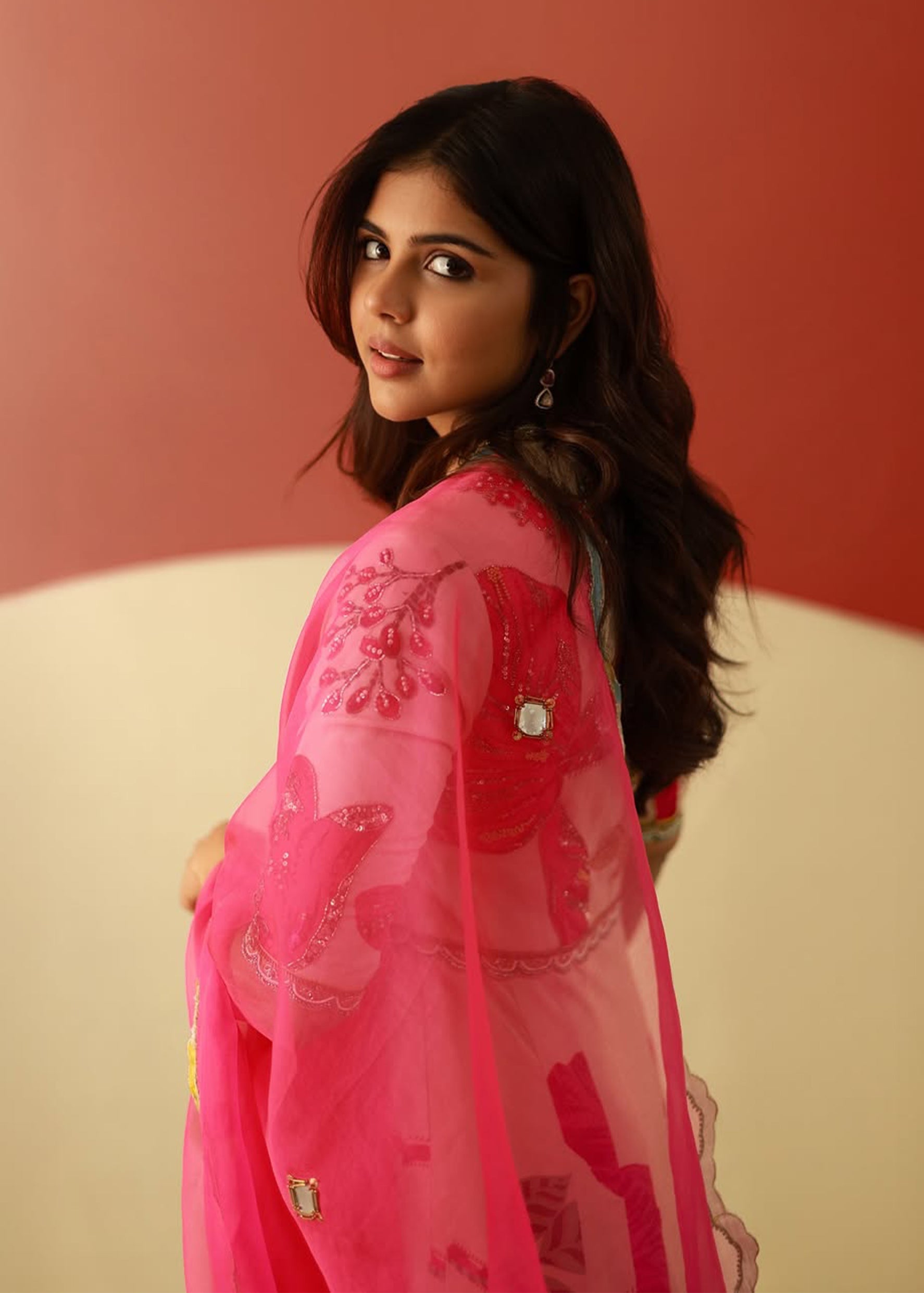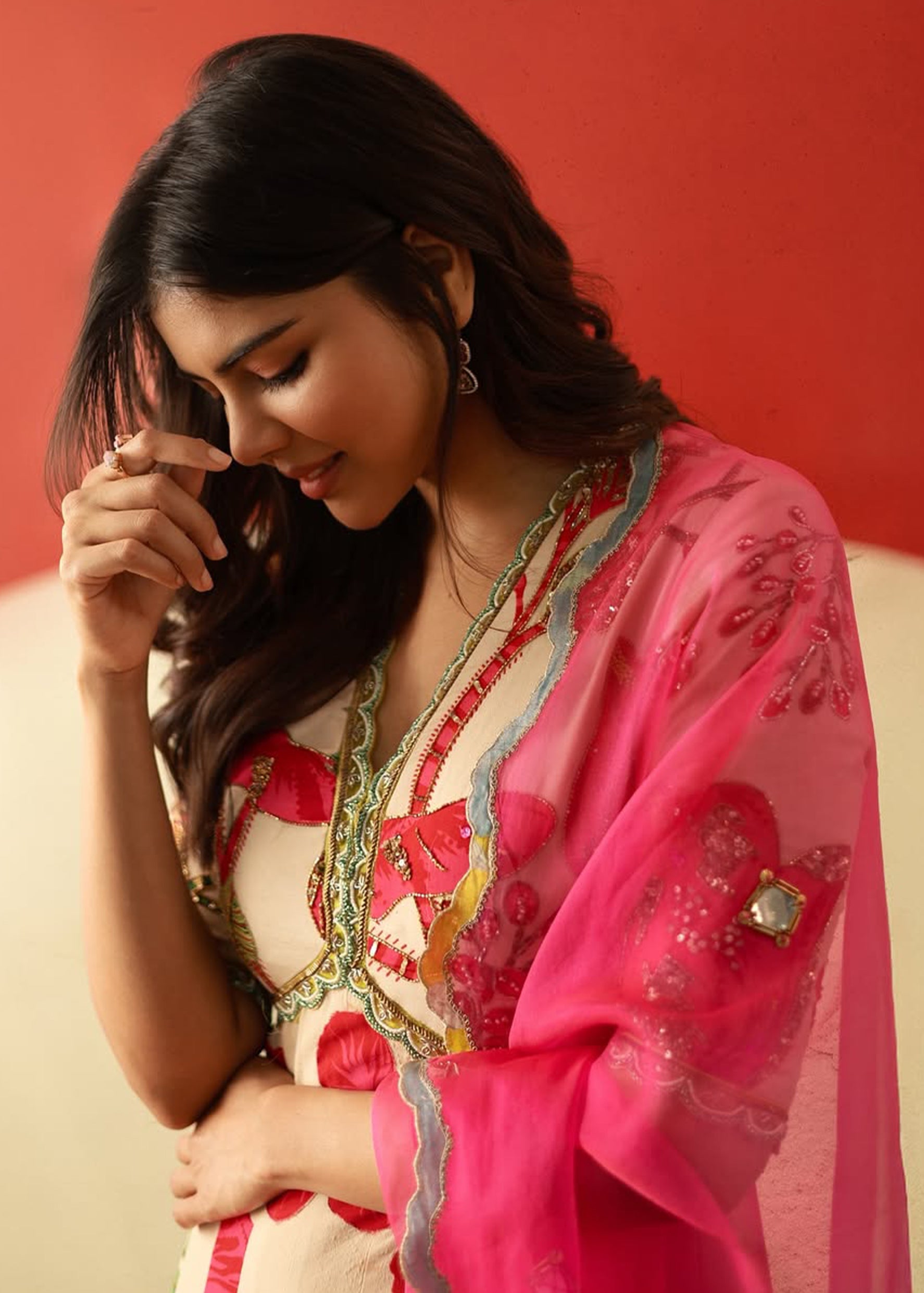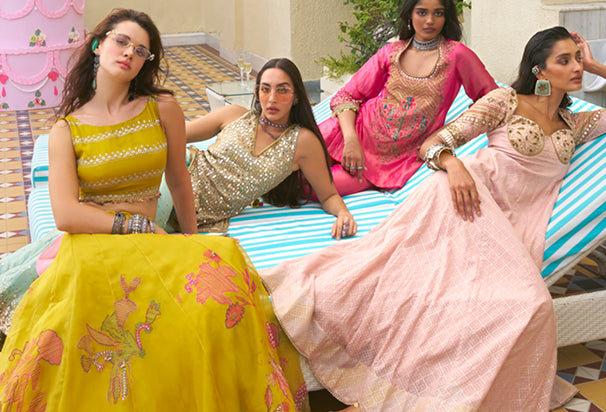
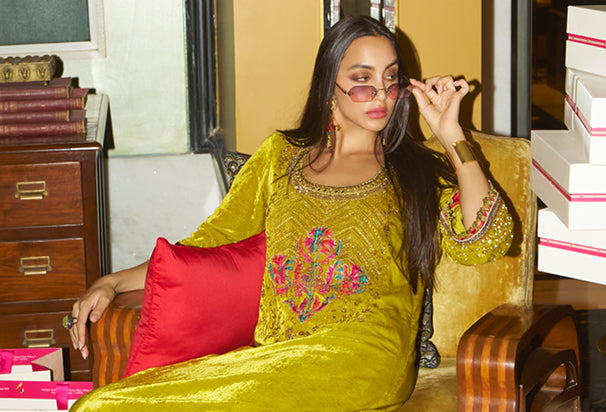
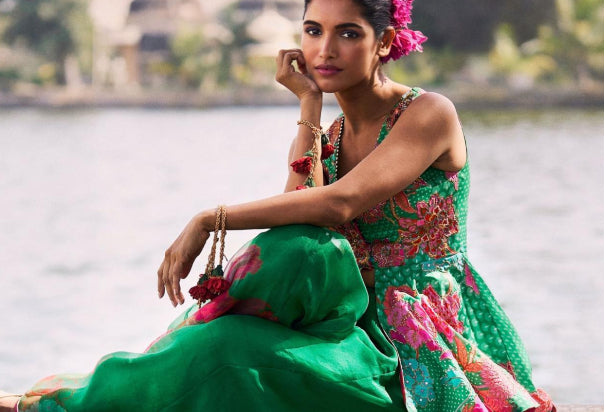
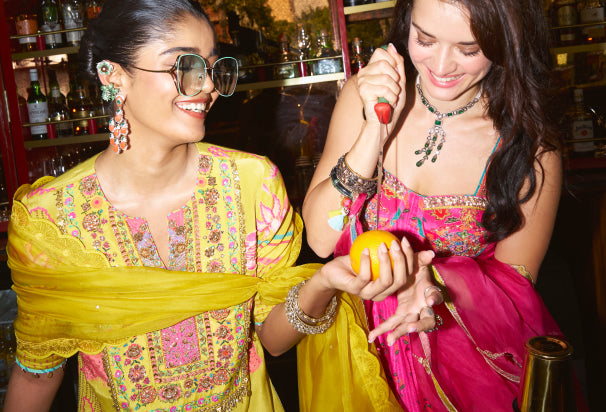
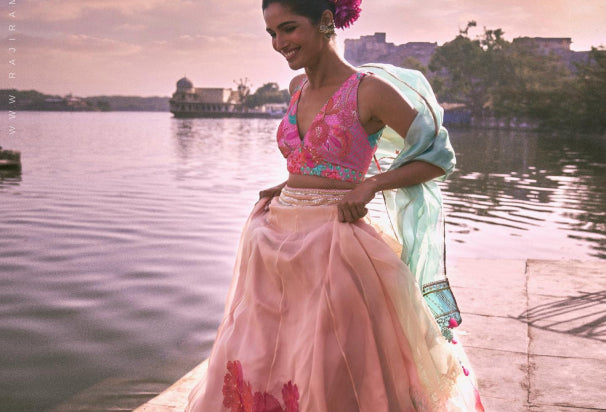
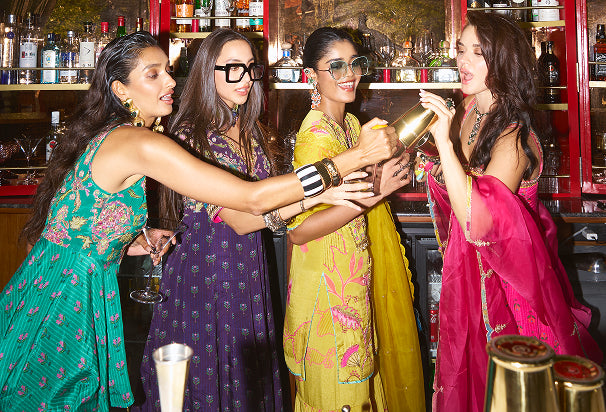
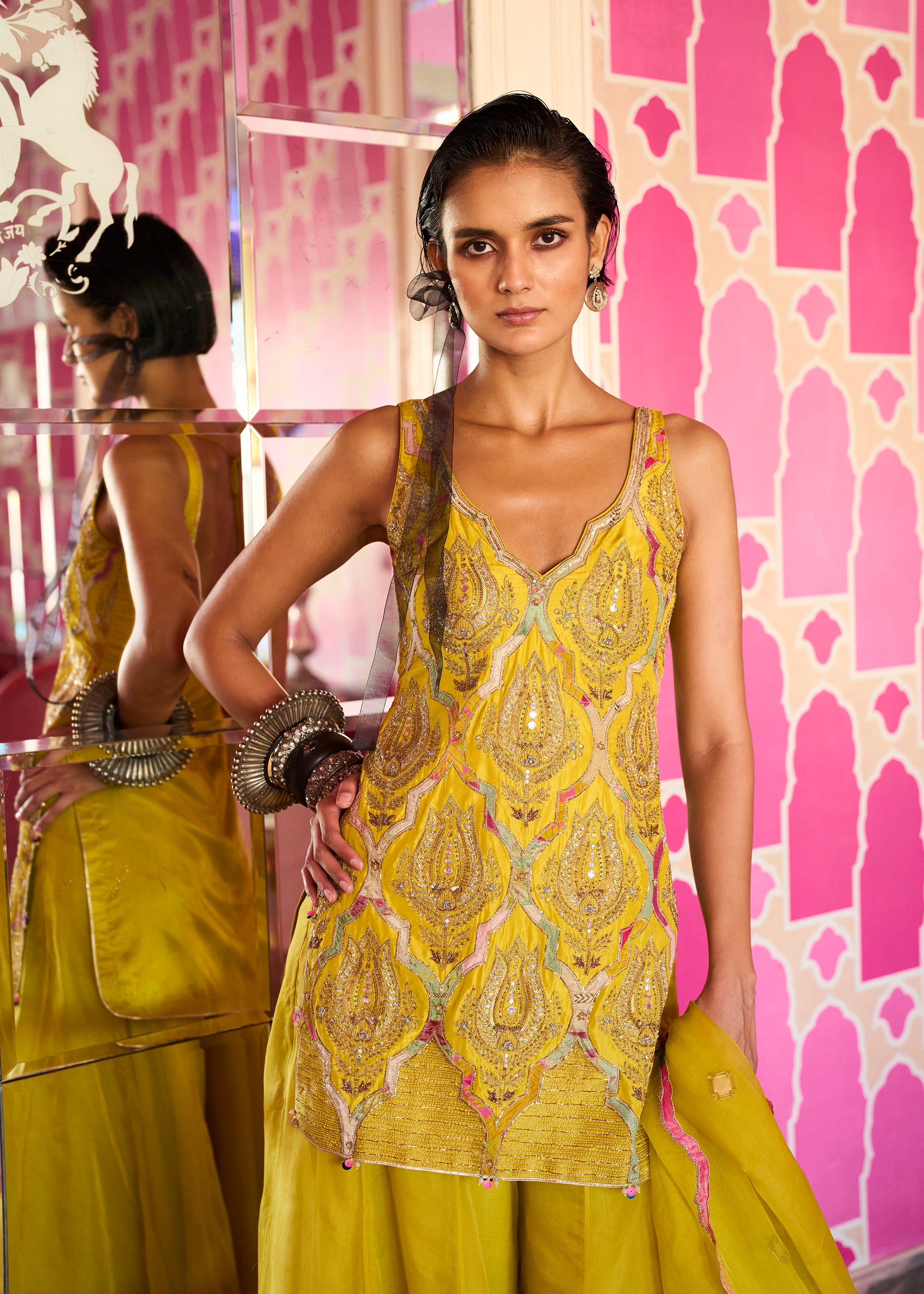
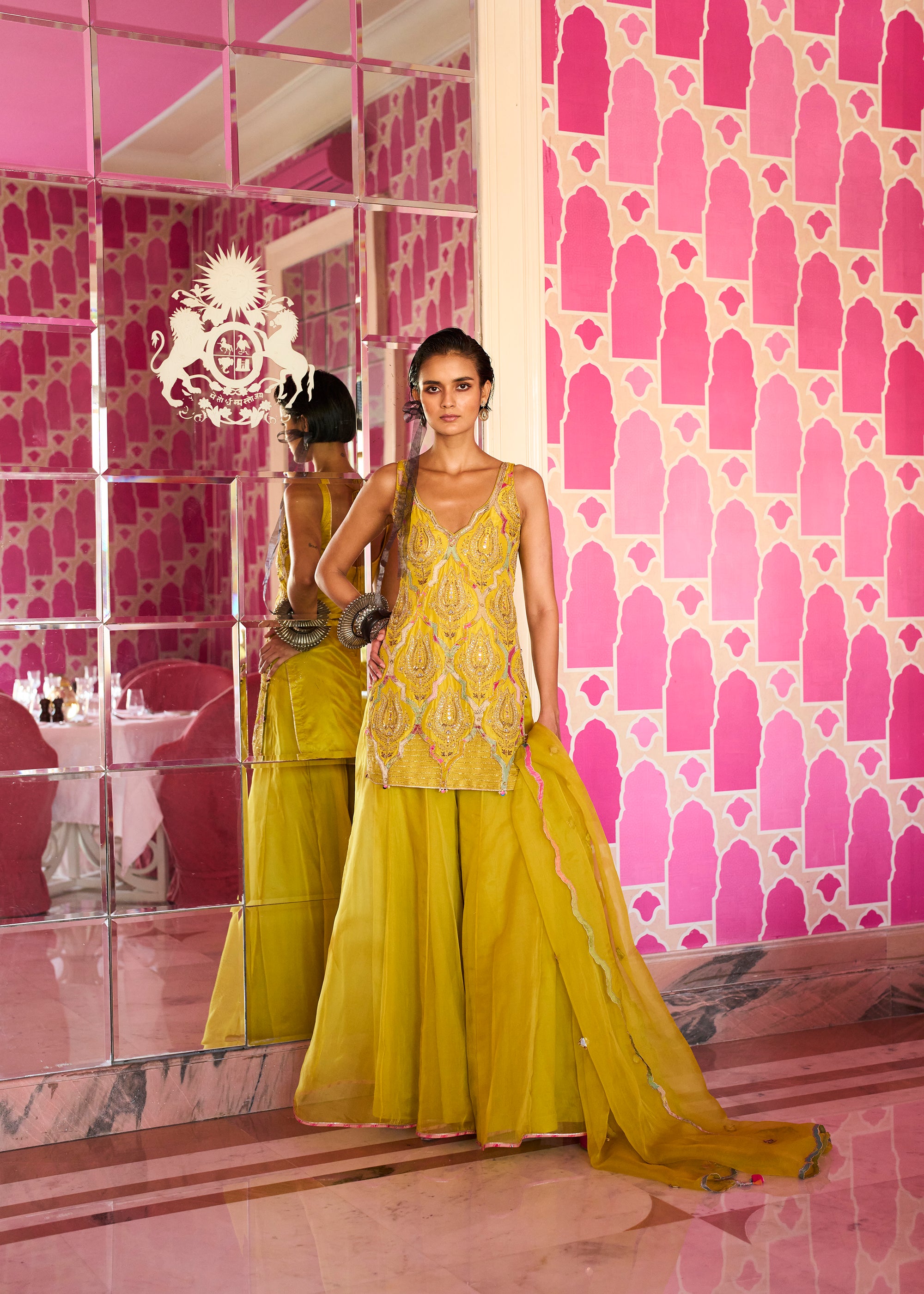
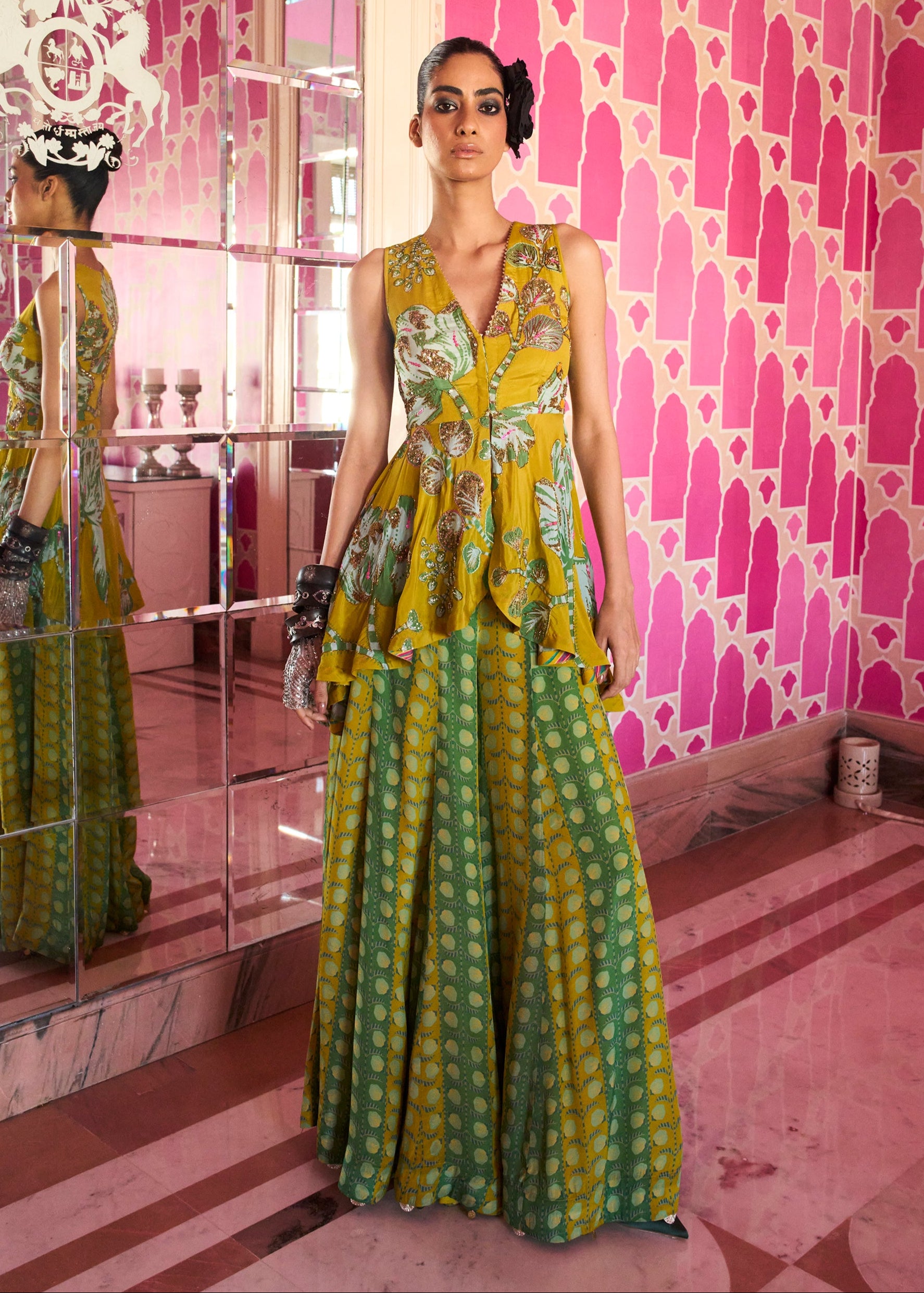
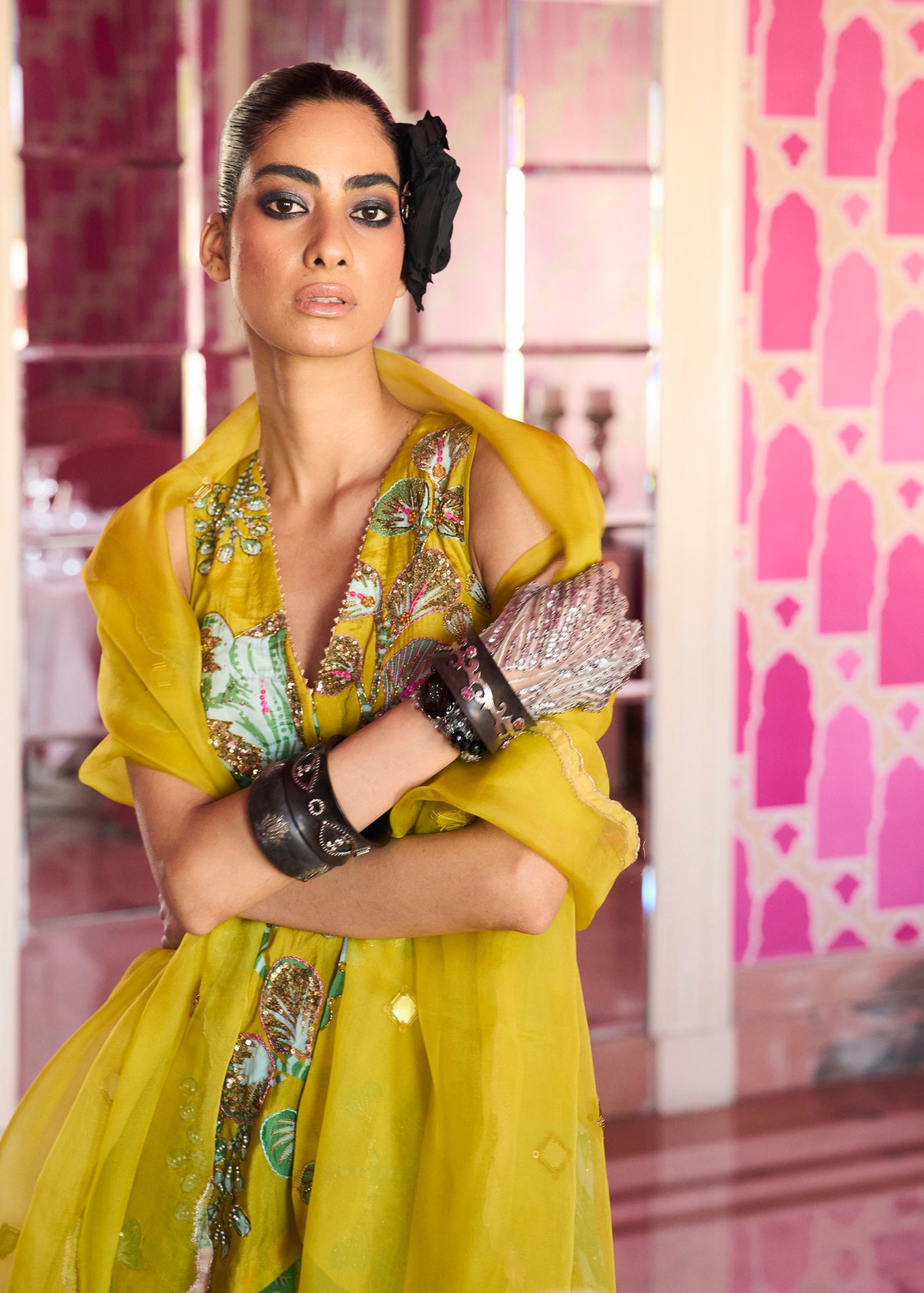
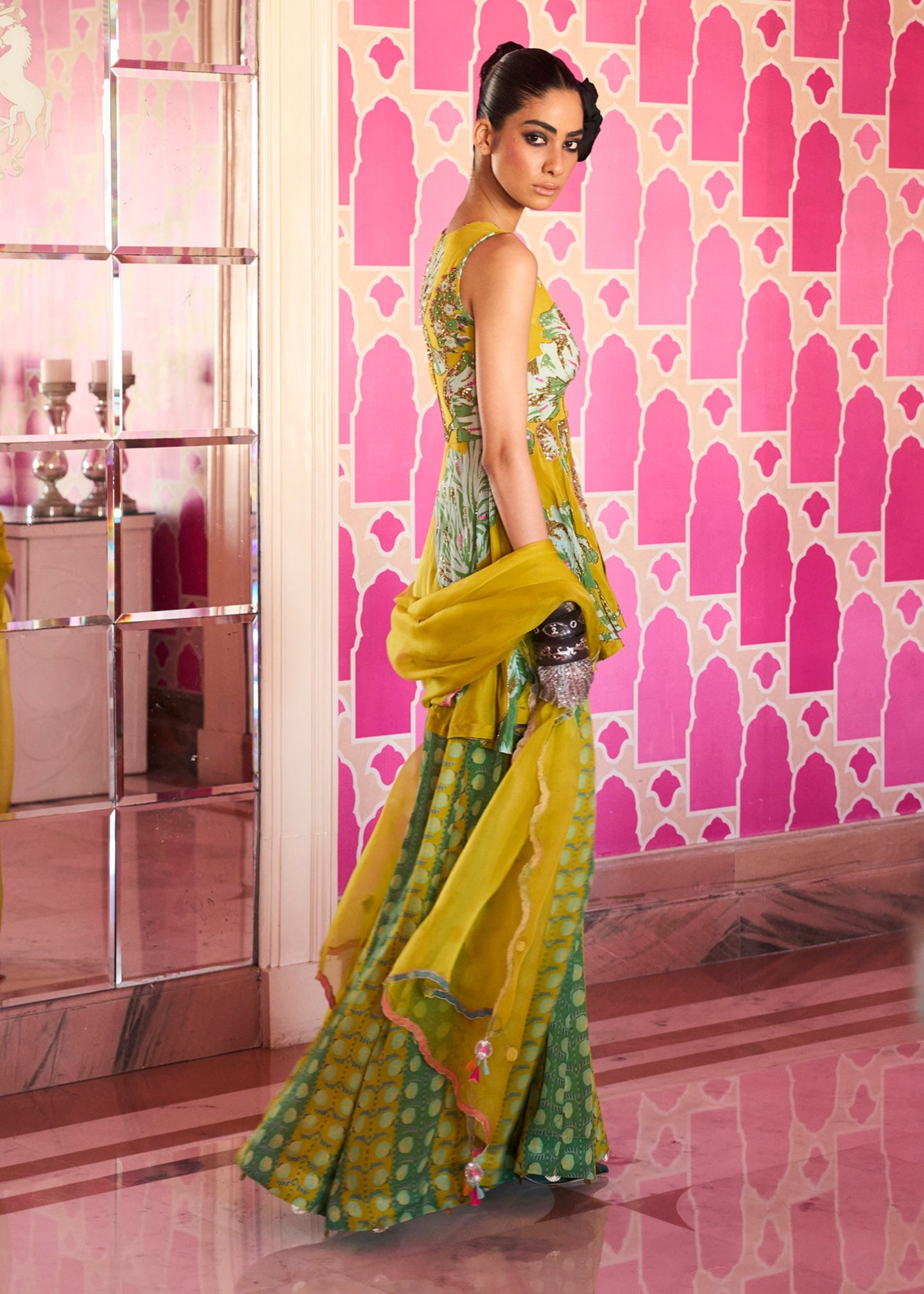
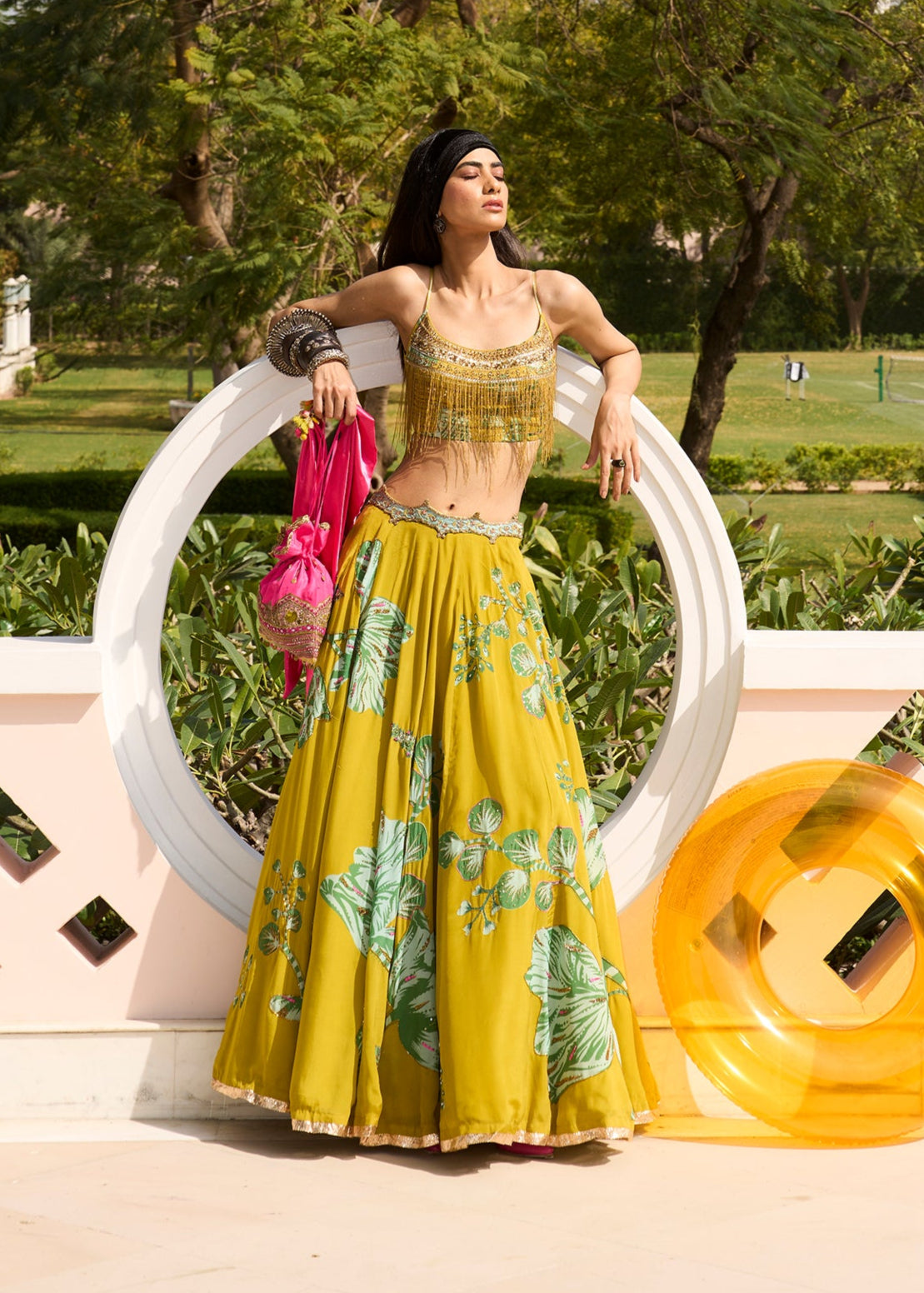
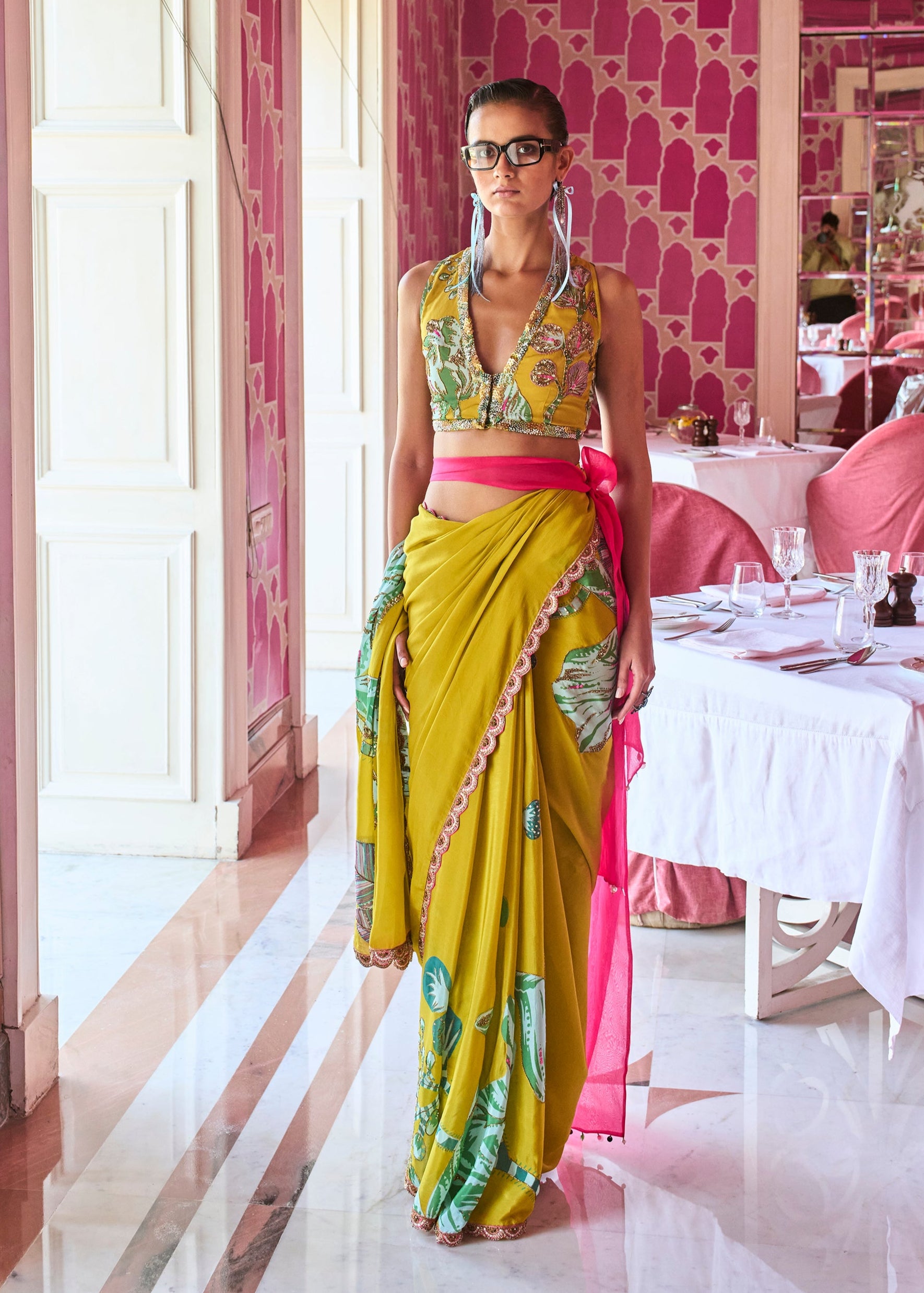
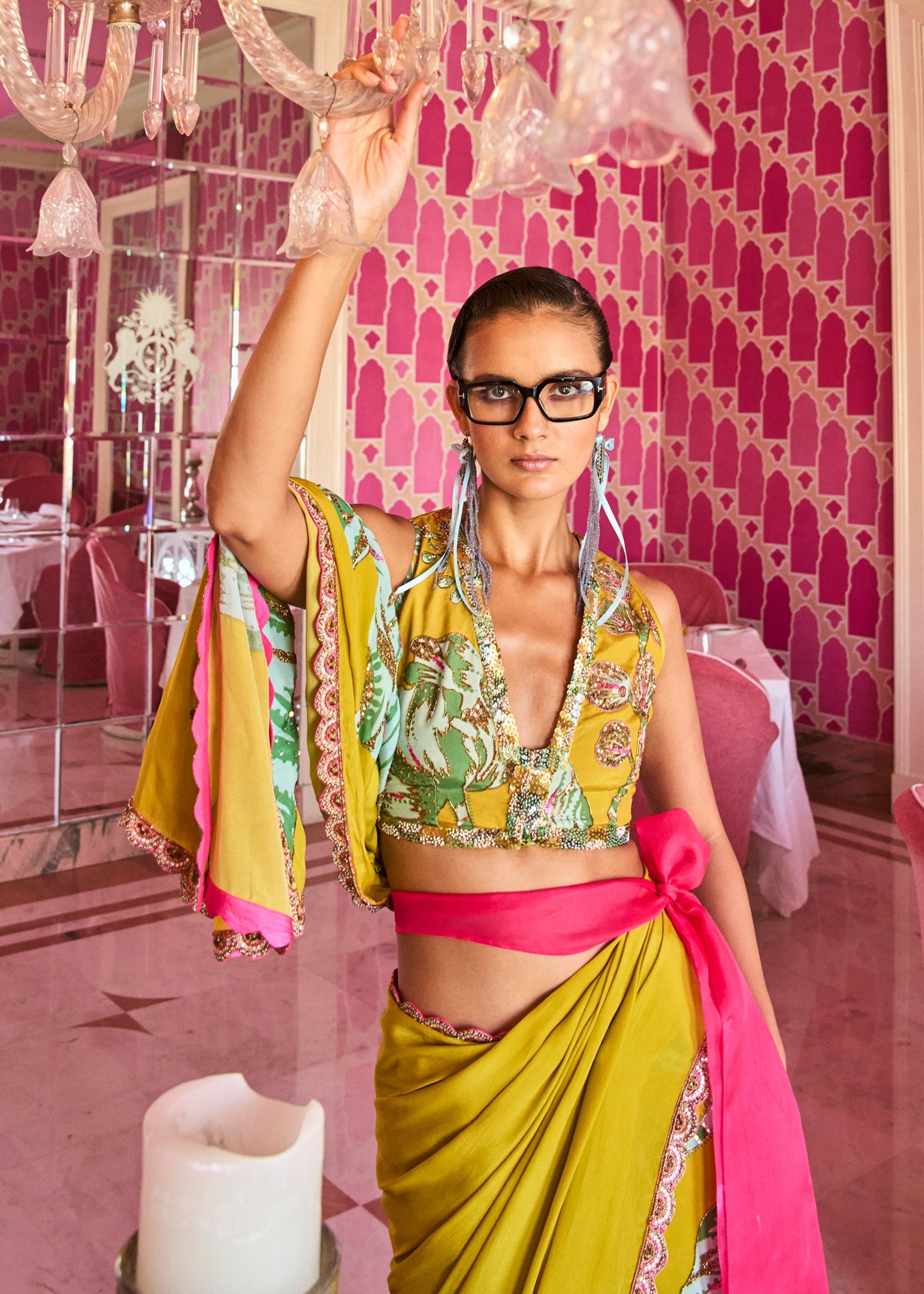
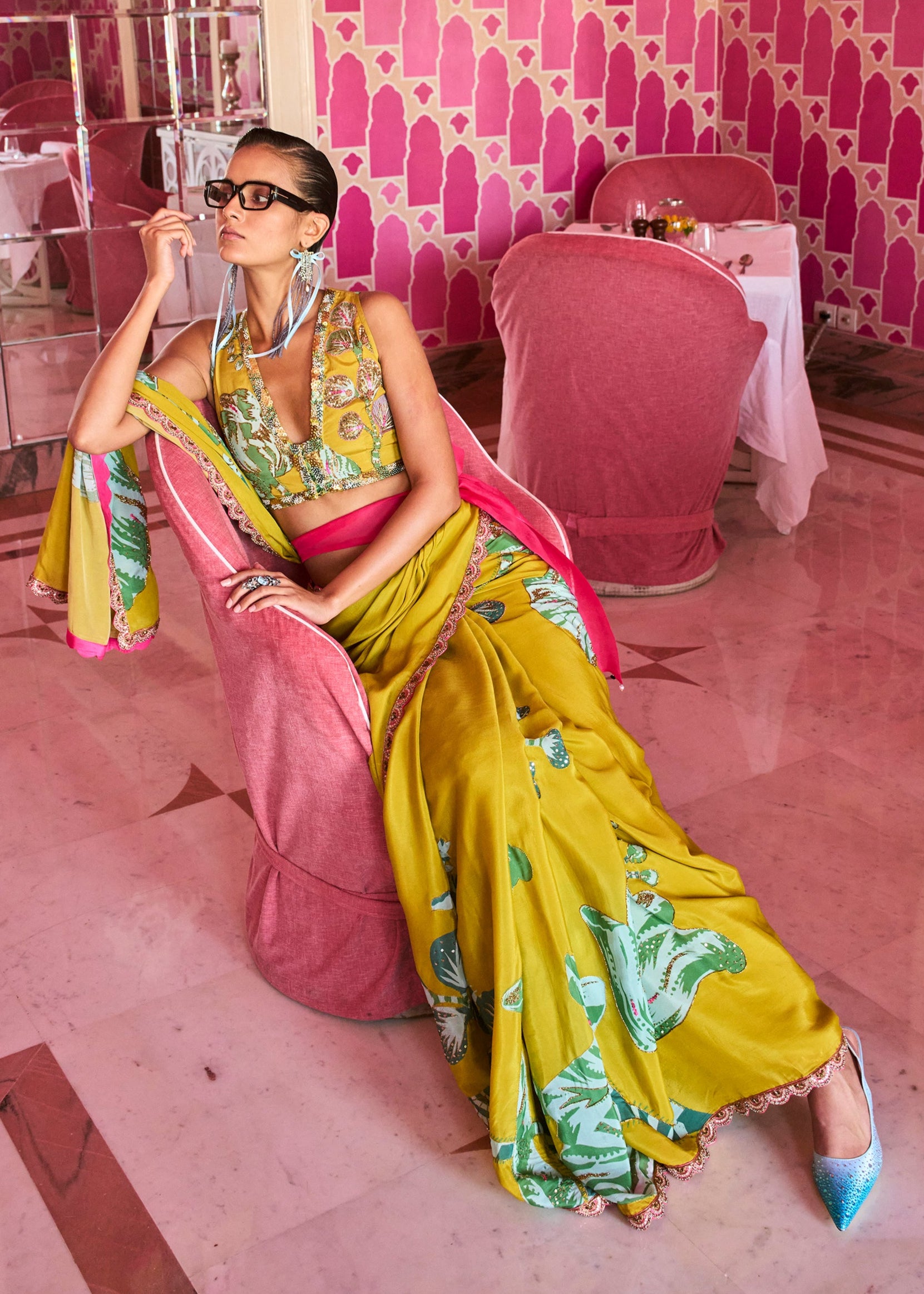
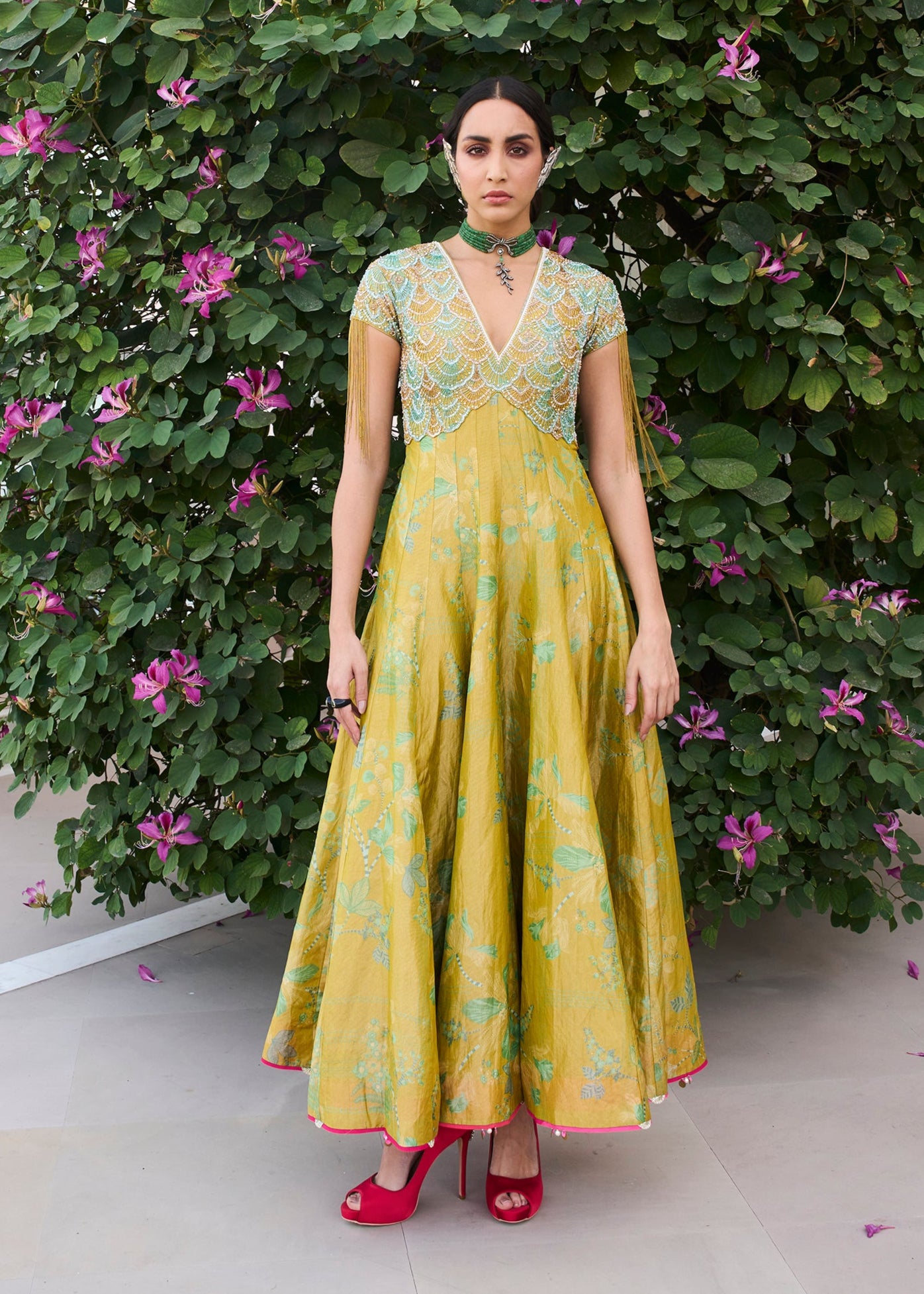
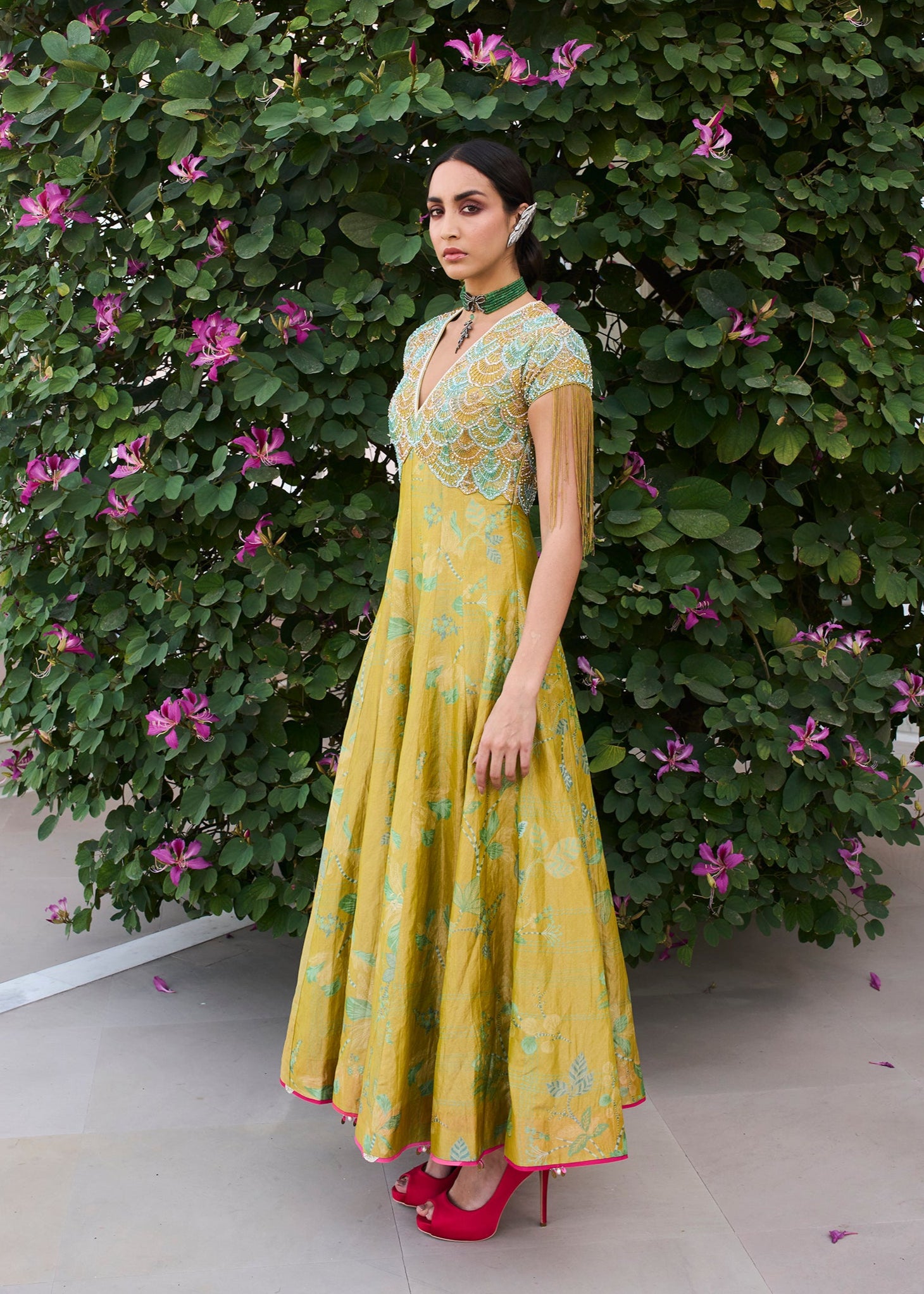
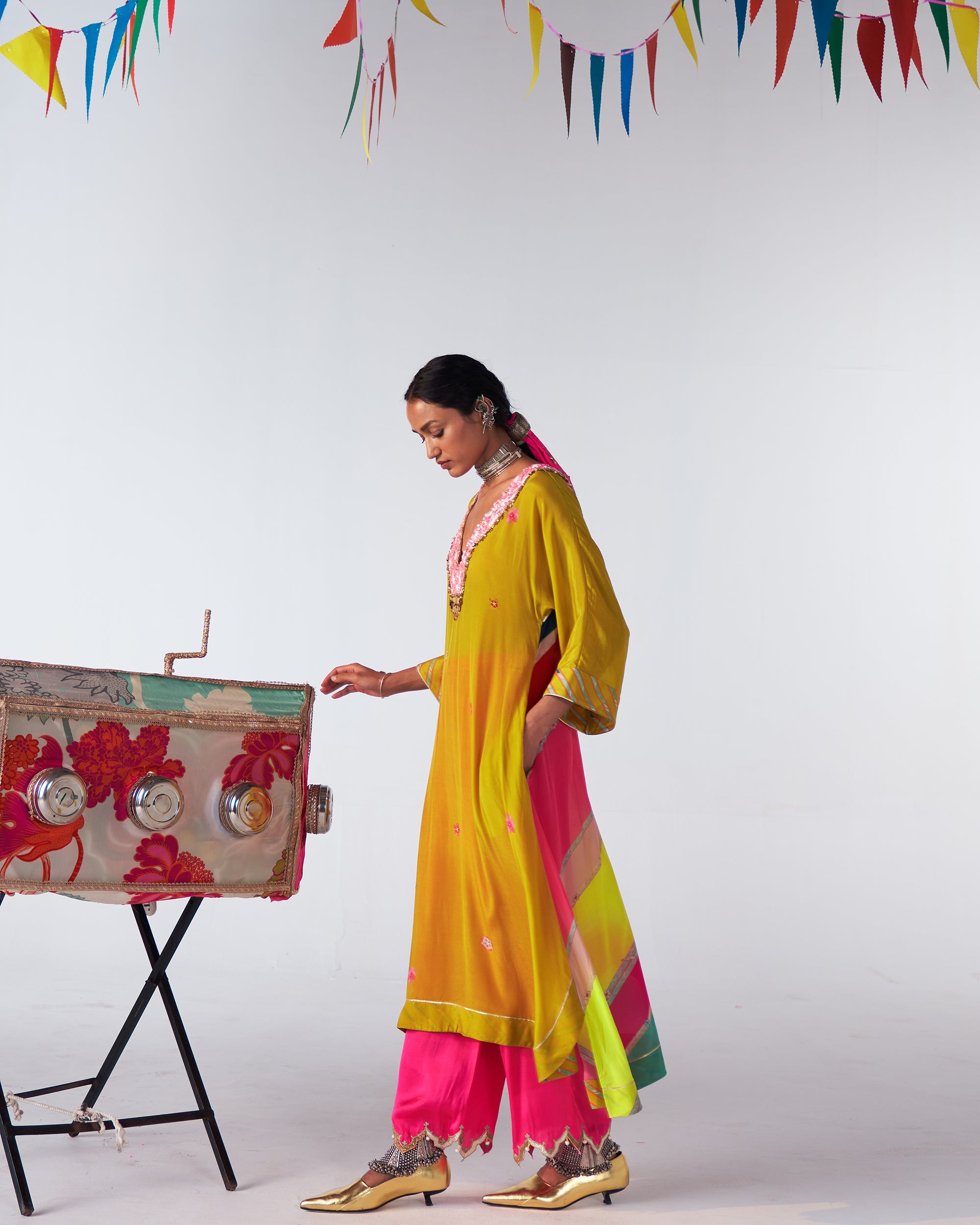
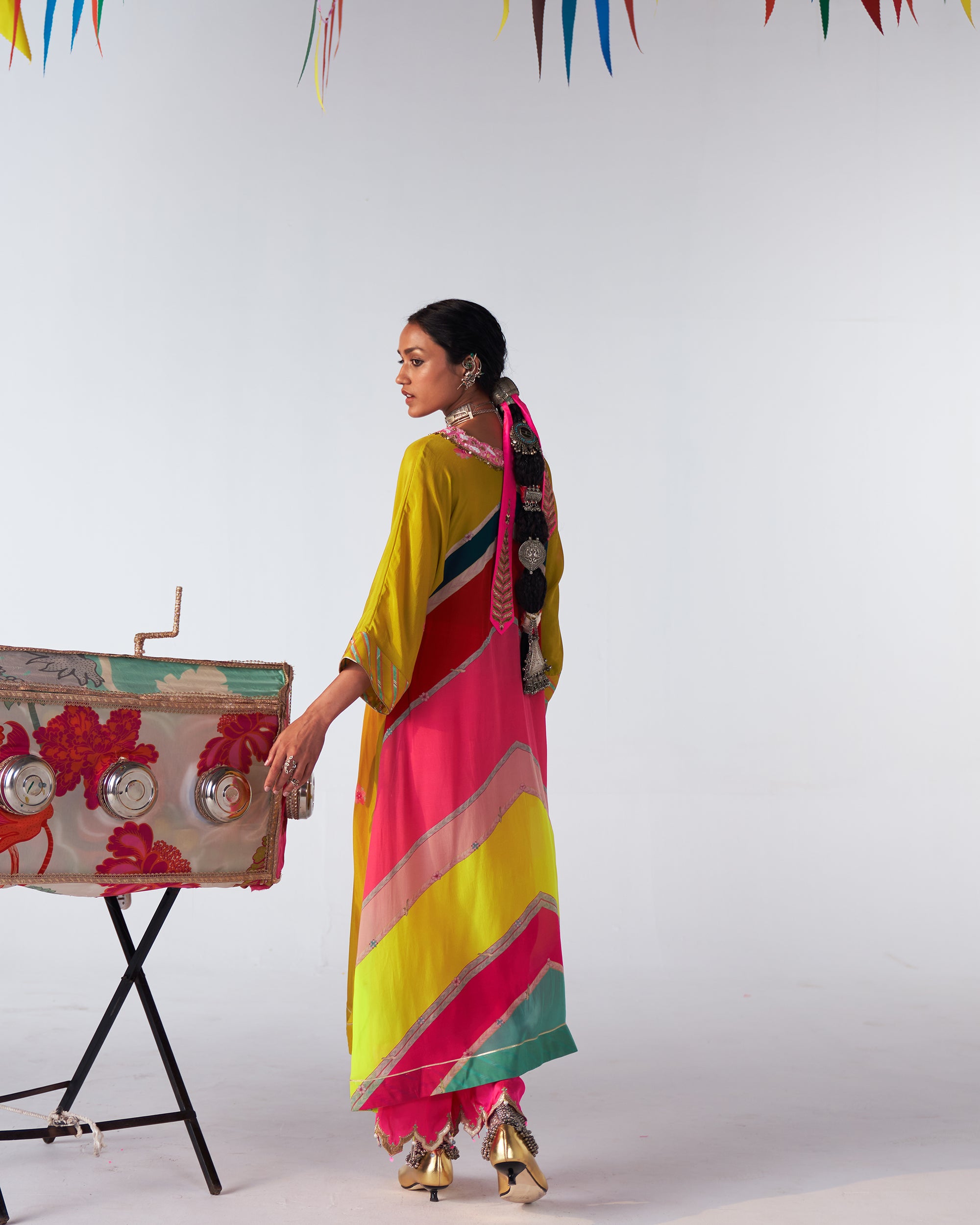
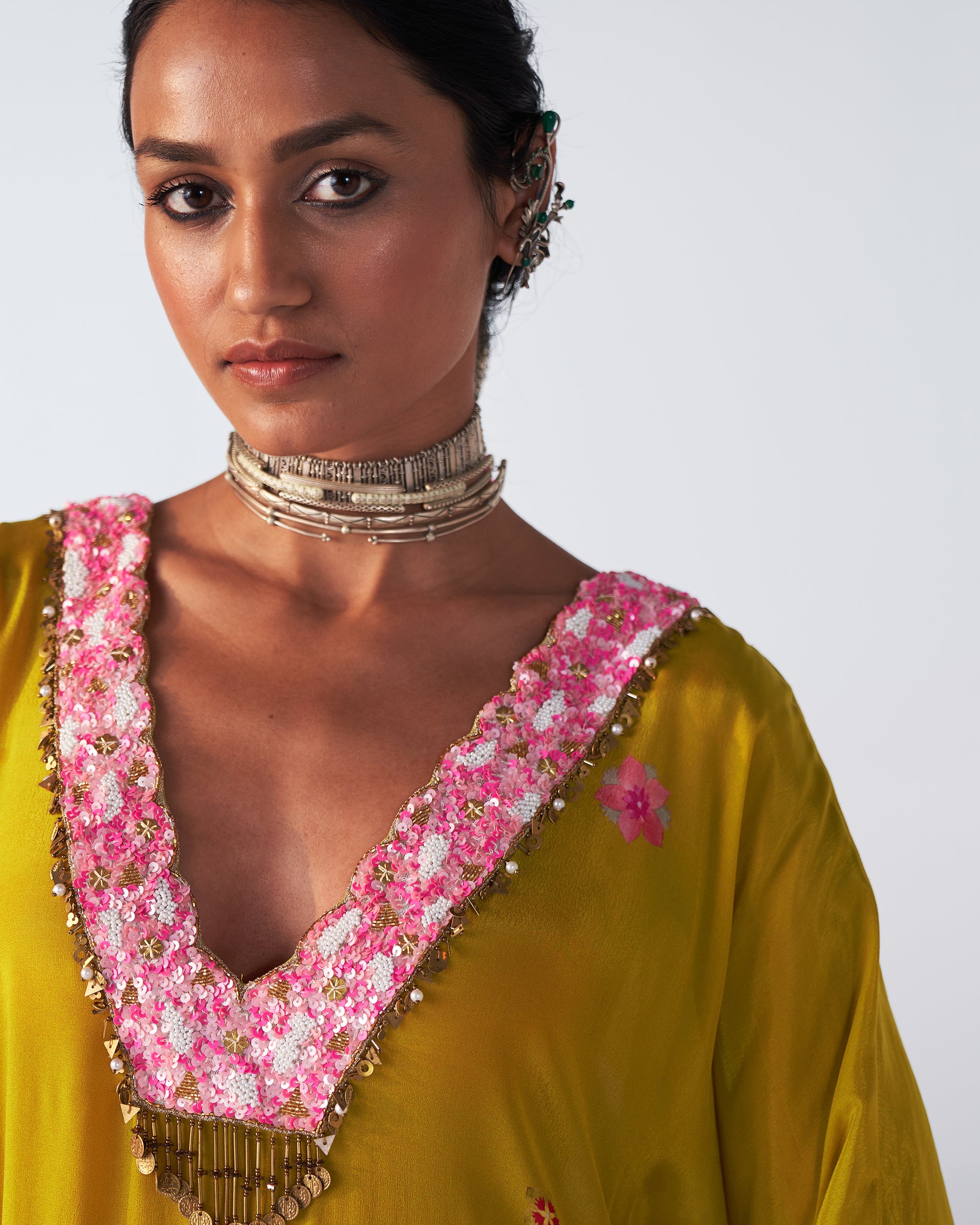
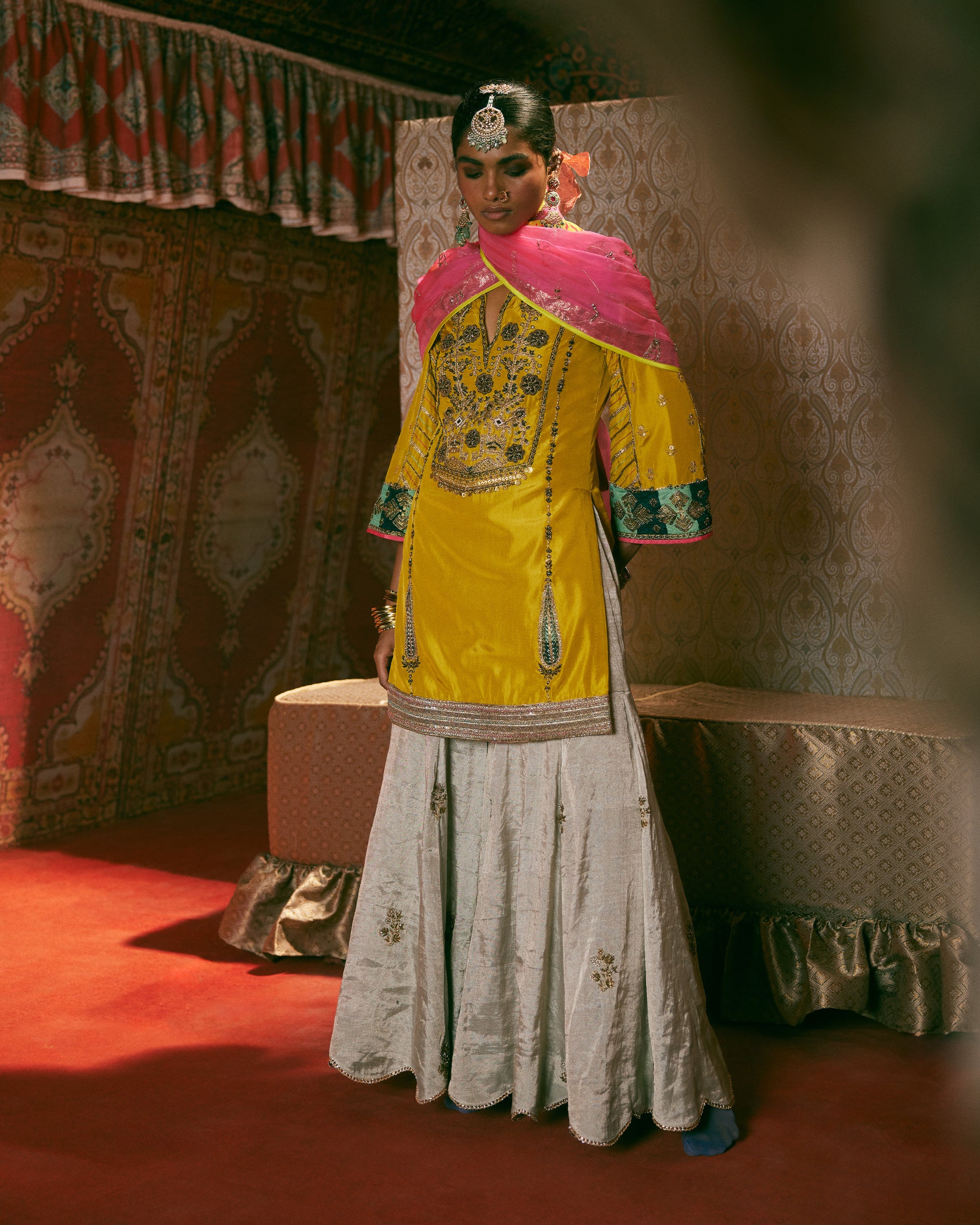
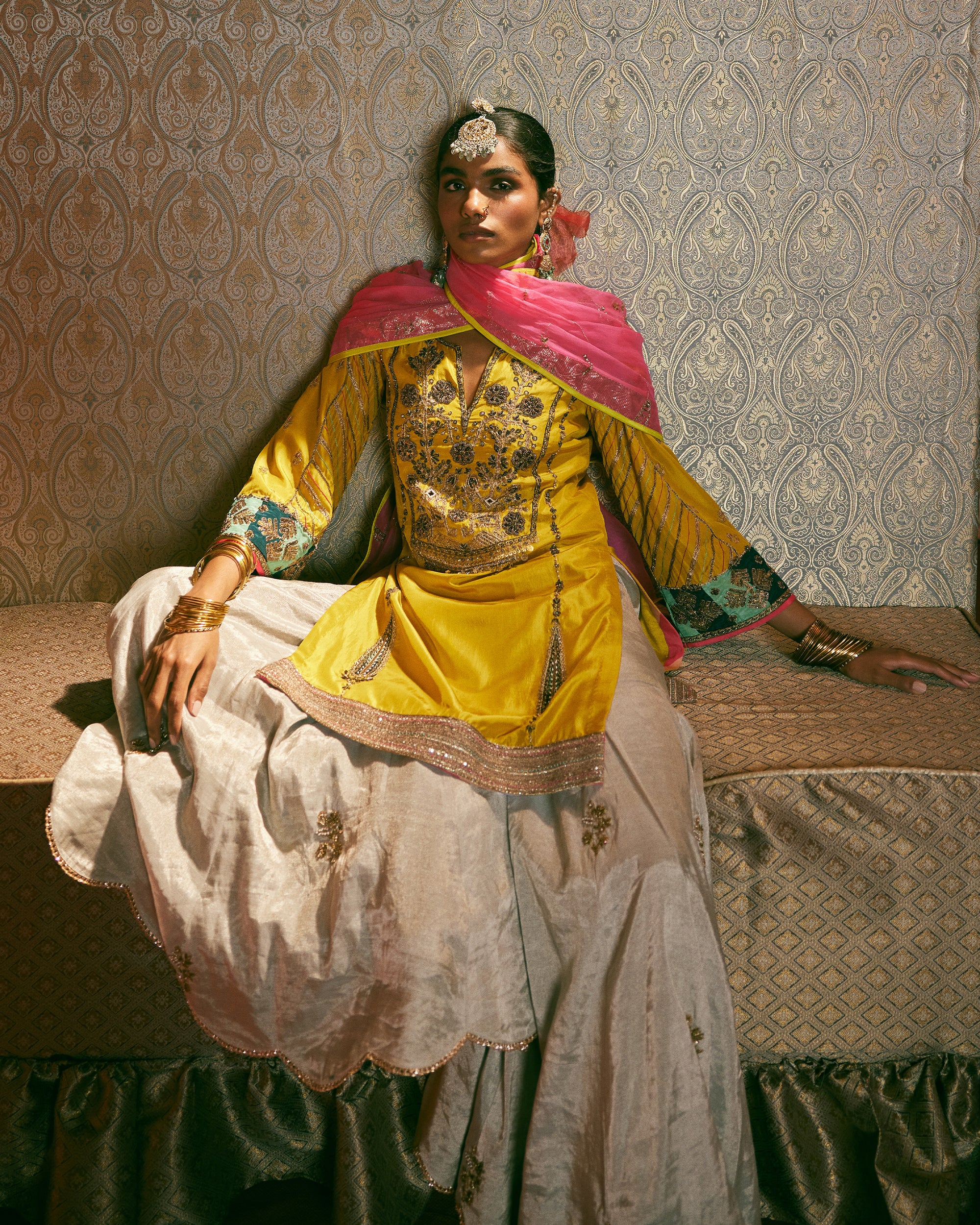
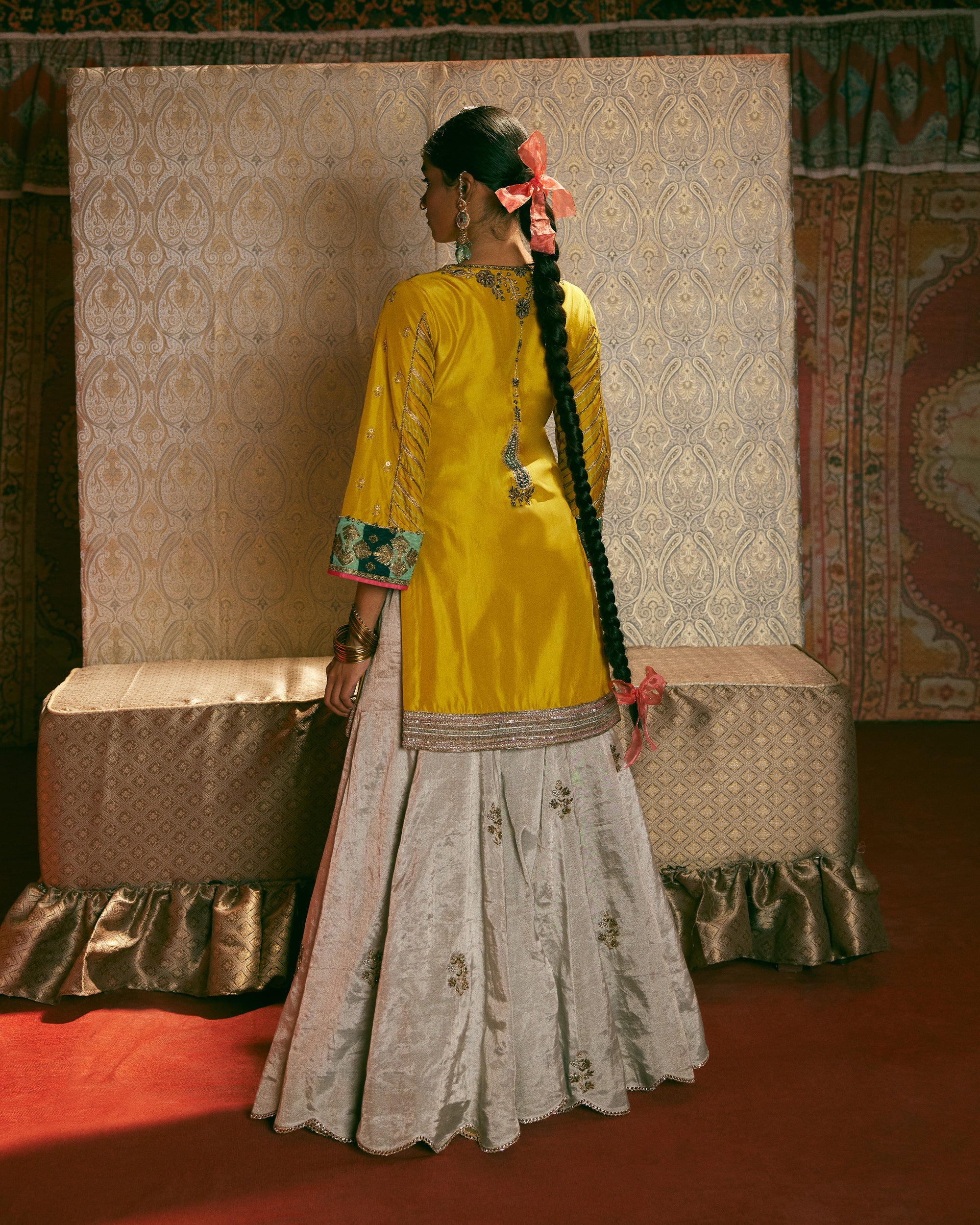
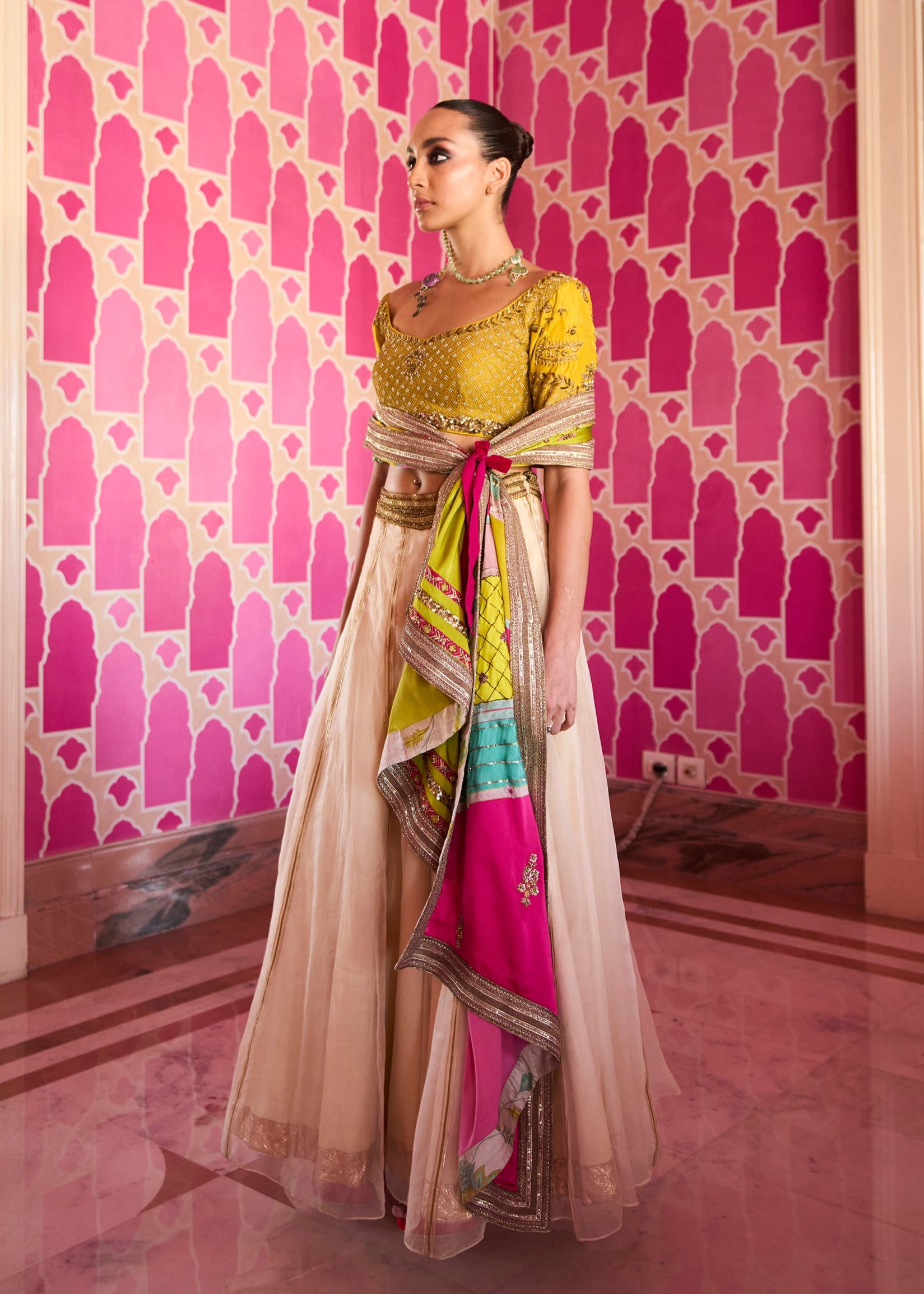
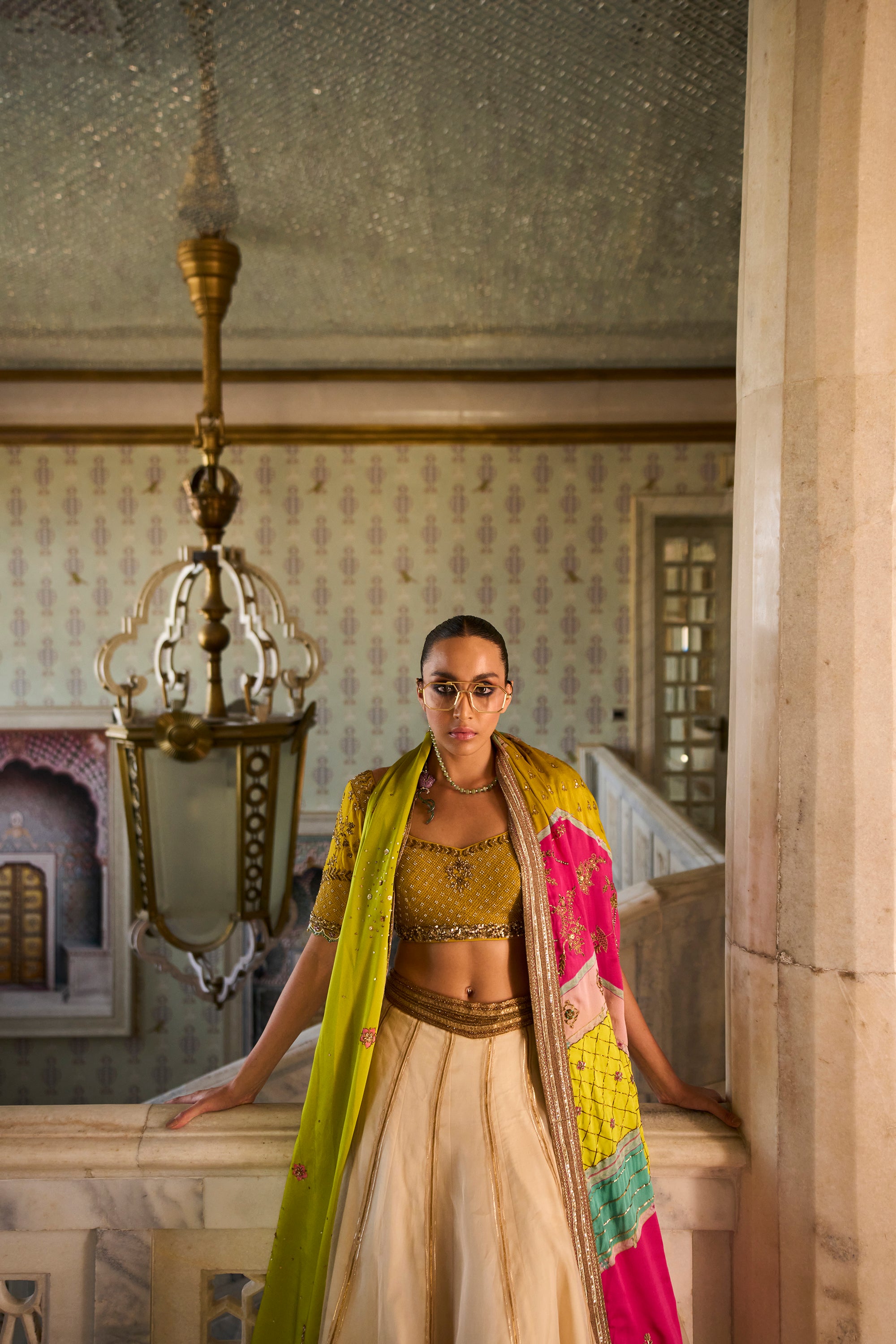
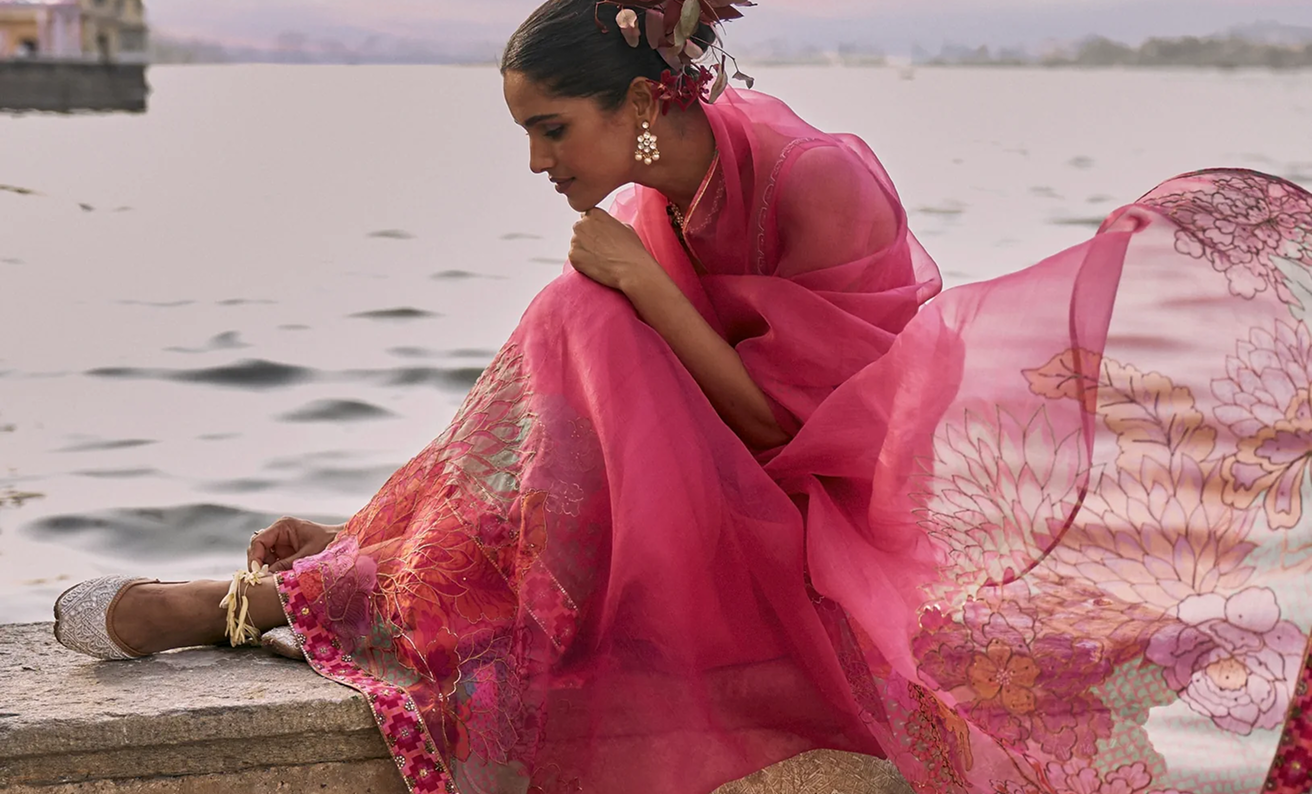
Haldi outfitis less about standing out and more about feeling settled in your skin. For many Indian women in the USA and elsewhere, the haldi ceremony has become a quiet, emotional pause within the wedding warm, personal, and unhurried. What you wear needs to support that feeling, not compete with it. Comfort, softness, and ease now matter far more than drama or excess.
At RajiRamniq, haldi dressing is approached gently. Each piece is designed to honour the ritual while allowing a woman to move freely, sit comfortably, and stay present. Nothing feels forced. Nothing feels heavy. The focus stays on clothing that feels natural to wear and meaningful to keep.
Why the Haldi Outfit Has Changed Over the Years
The haldi ceremony itself has evolved. What was once a small, home-based ritual is now often held in gardens, courtyards, or destination venues with close friends and family. That shift has quietly changed what women expect from their clothes.
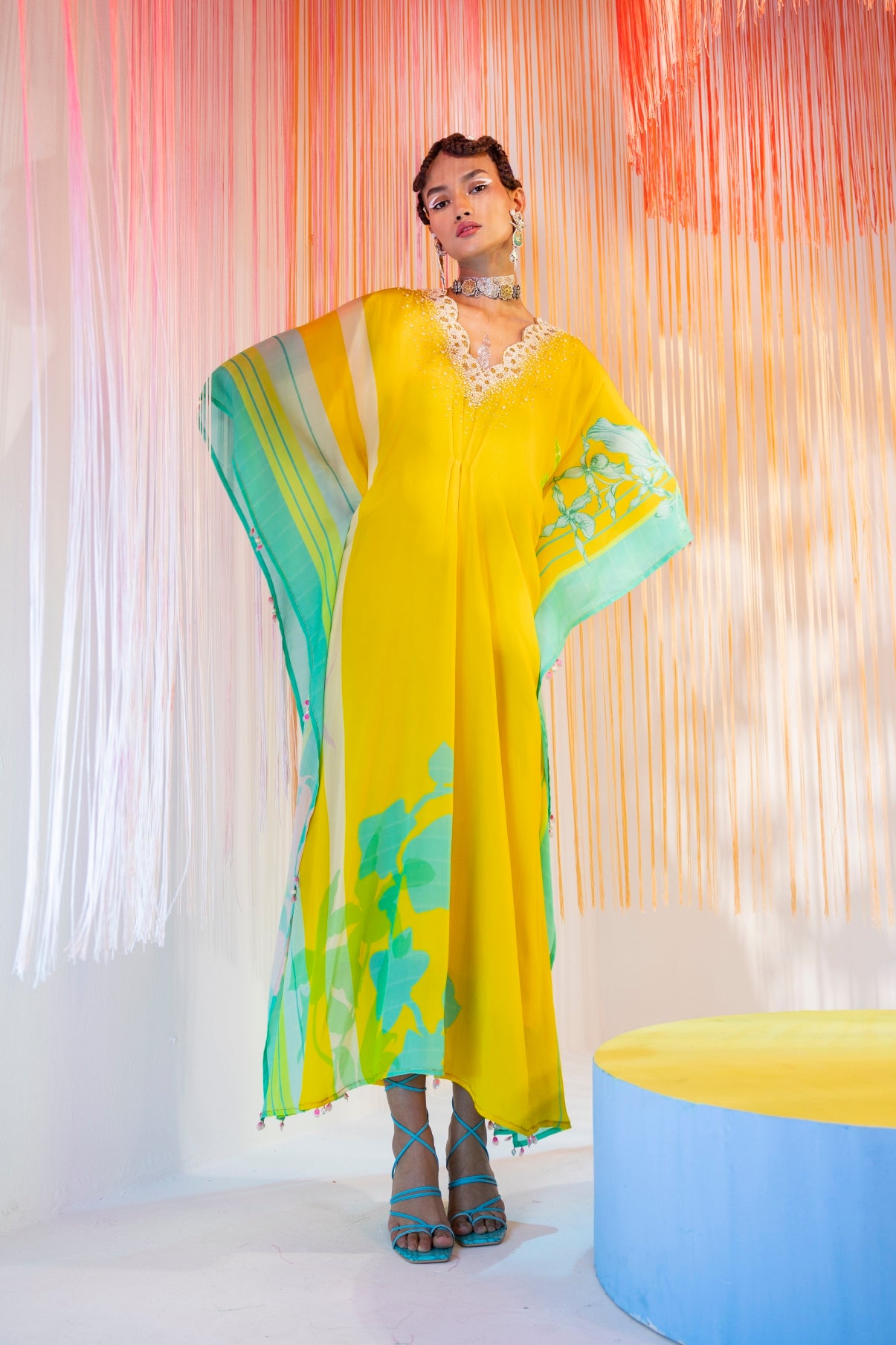
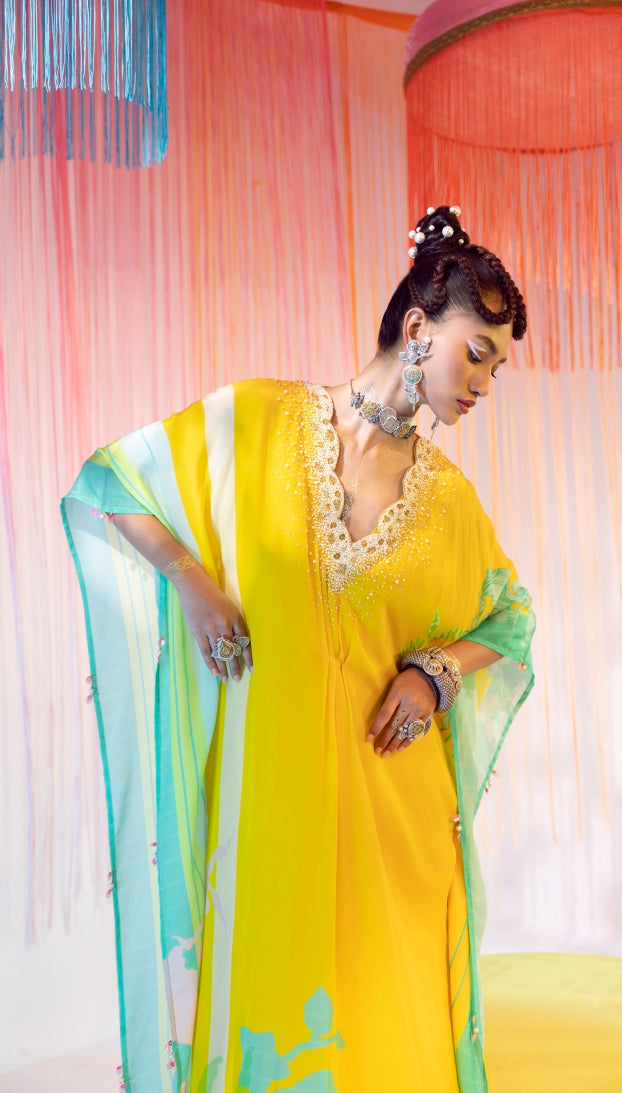
Outfits now need to handle warmth, movement, and long hours without becoming distracting. This is where haldi outfits for women have started to look softer and more relaxed easy silhouettes, breathable fabrics, and details that feel personal rather than performative.
Among Indian women in the USA, this change is even more visible. There’s a strong preference for clothing that feels culturally rooted but doesn’t feel overdone in a global setting.
A Women-Led Approach to Haldi Outfit Design
RajiRamniq was founded by sisters Raji and Ramniq, and that women-led perspective shows up in small but important ways. The cuts are forgiving. The proportions are thoughtful. The garments are designed for real movement, not just photographs.
When it comes to haldi outfits for bridalcelebrations, the priority stays the same comfort first. Brides shouldn’t be adjusting their dupatta or worrying about weight while the ceremony is happening. The outfit should quietly do its job and let the moment take over.
Fabric Choices That Make a Haldi Outfit Work
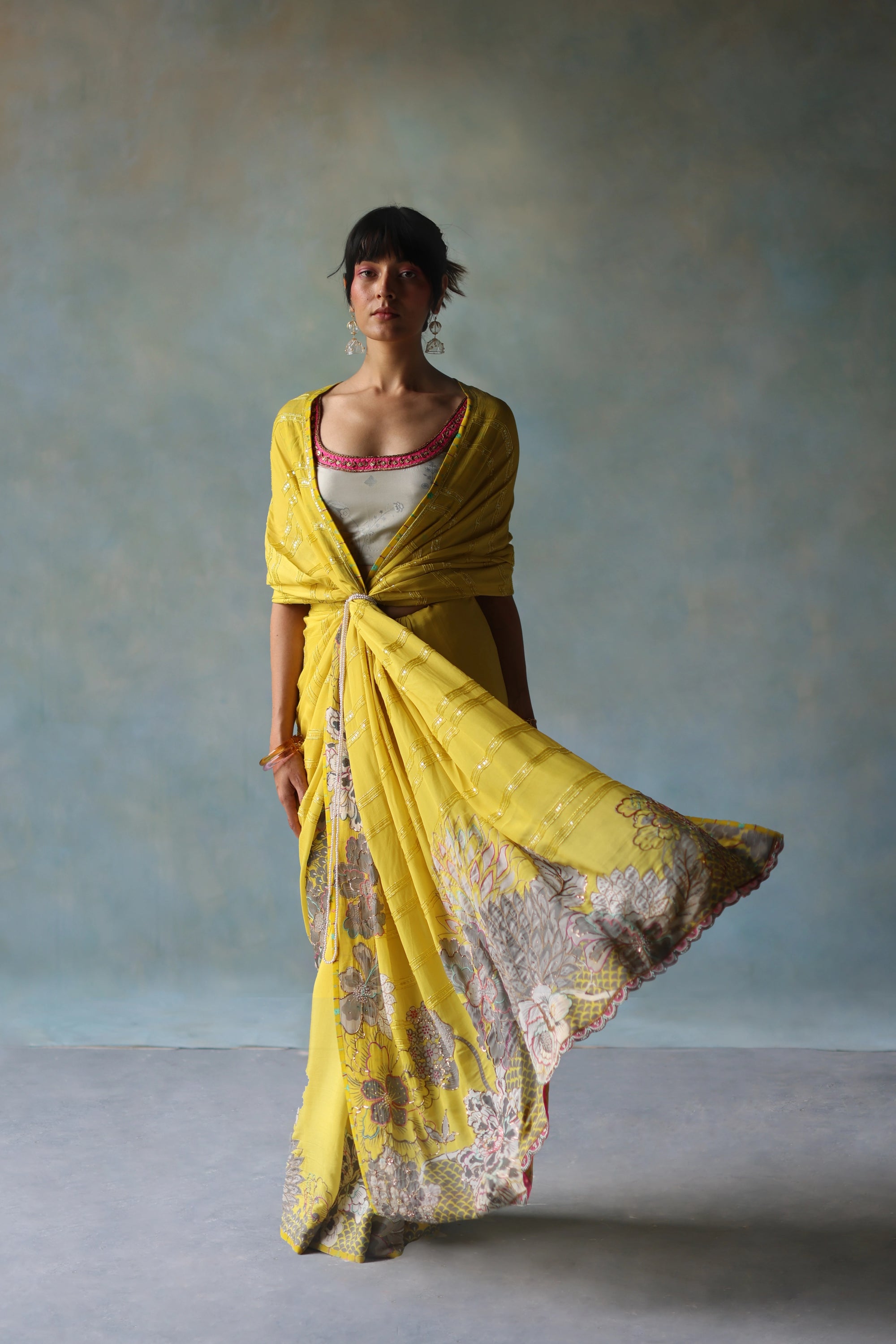
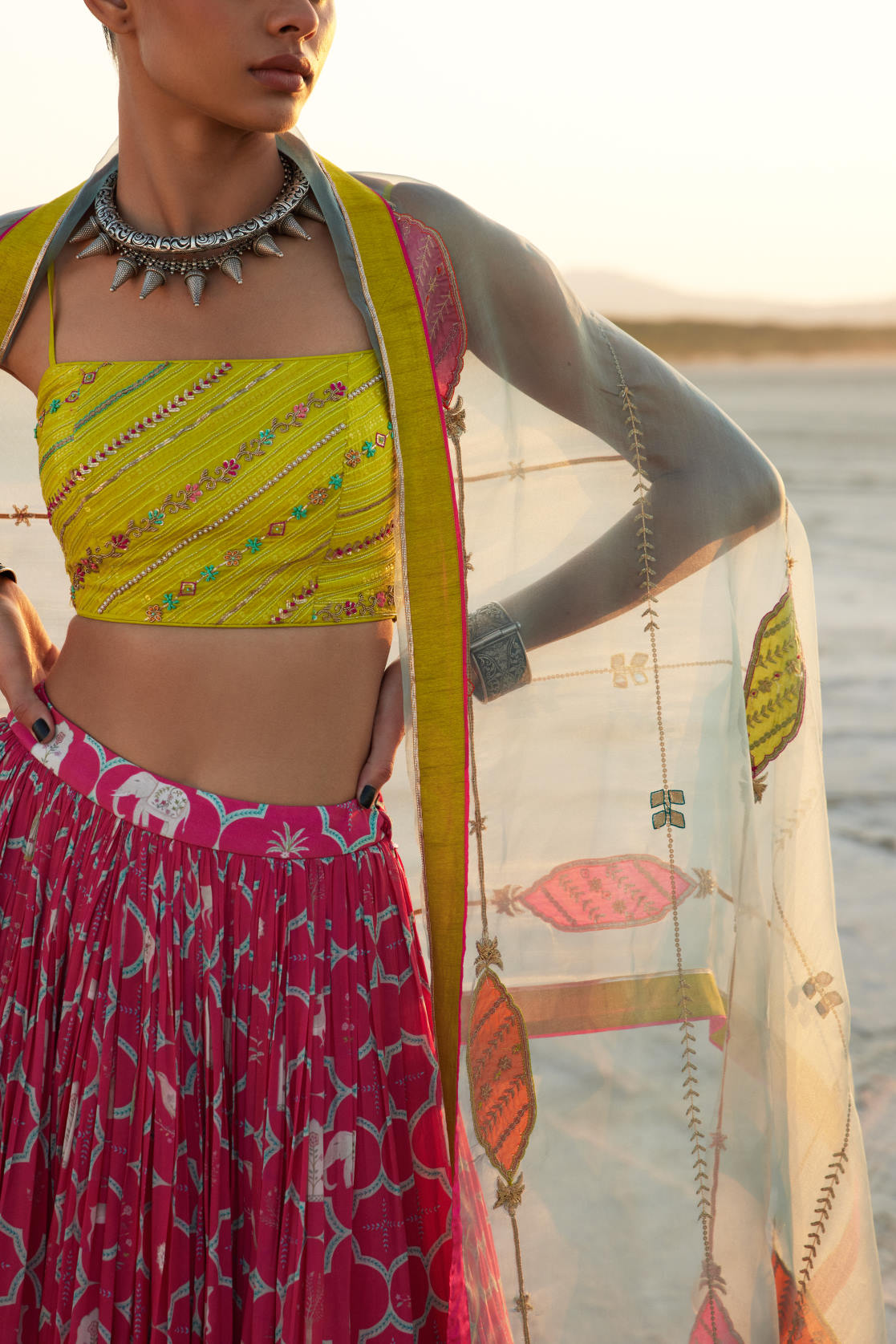
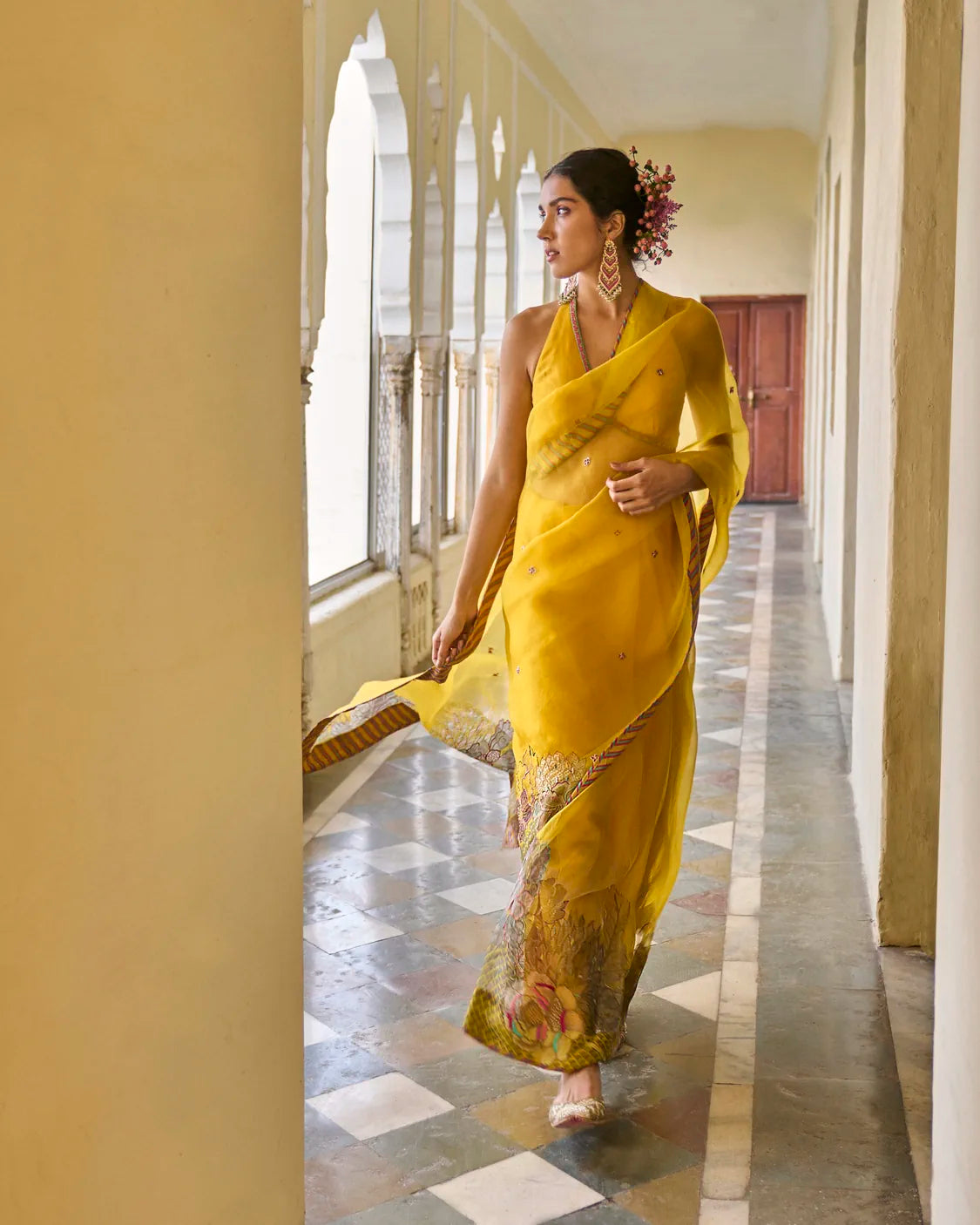
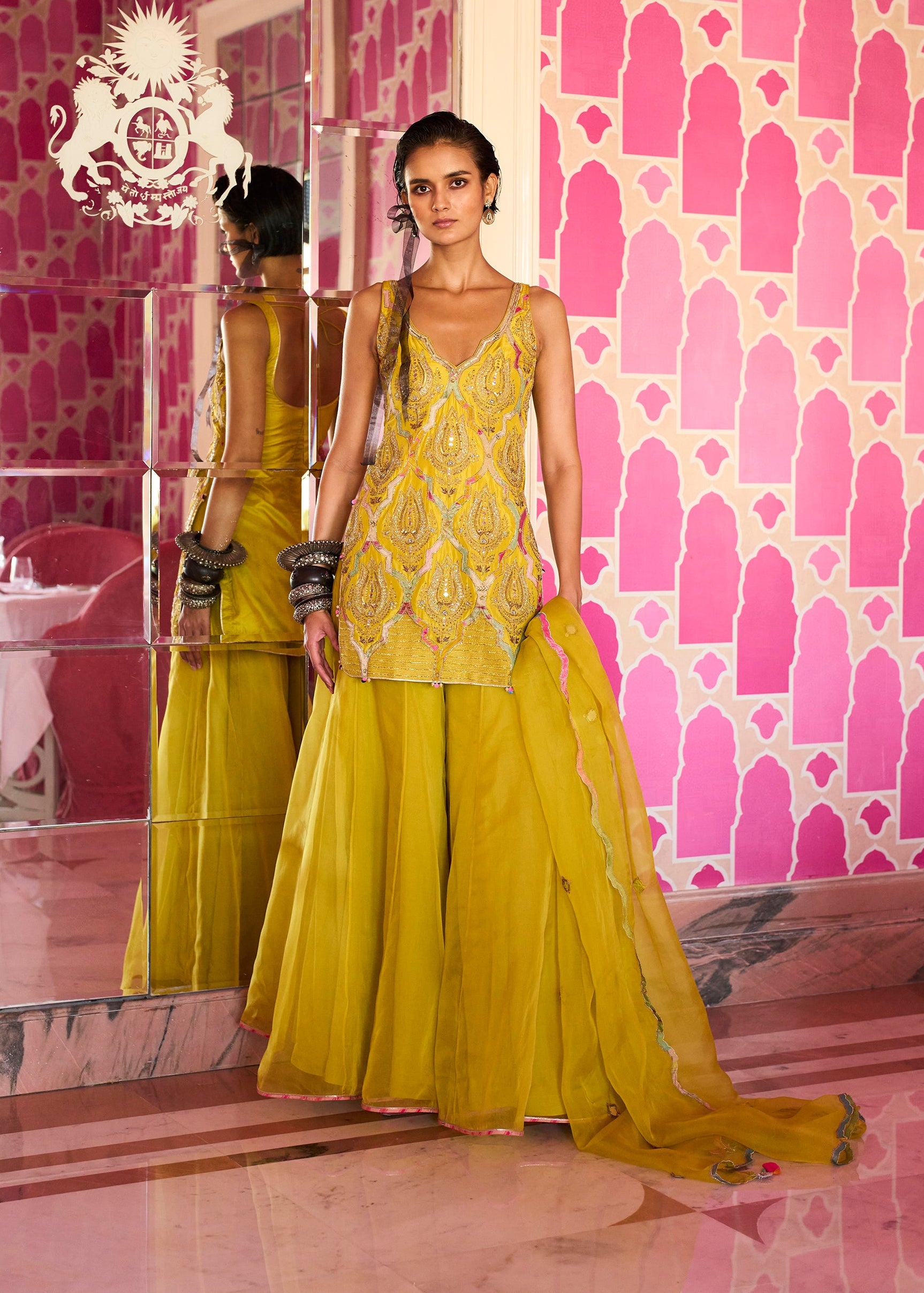
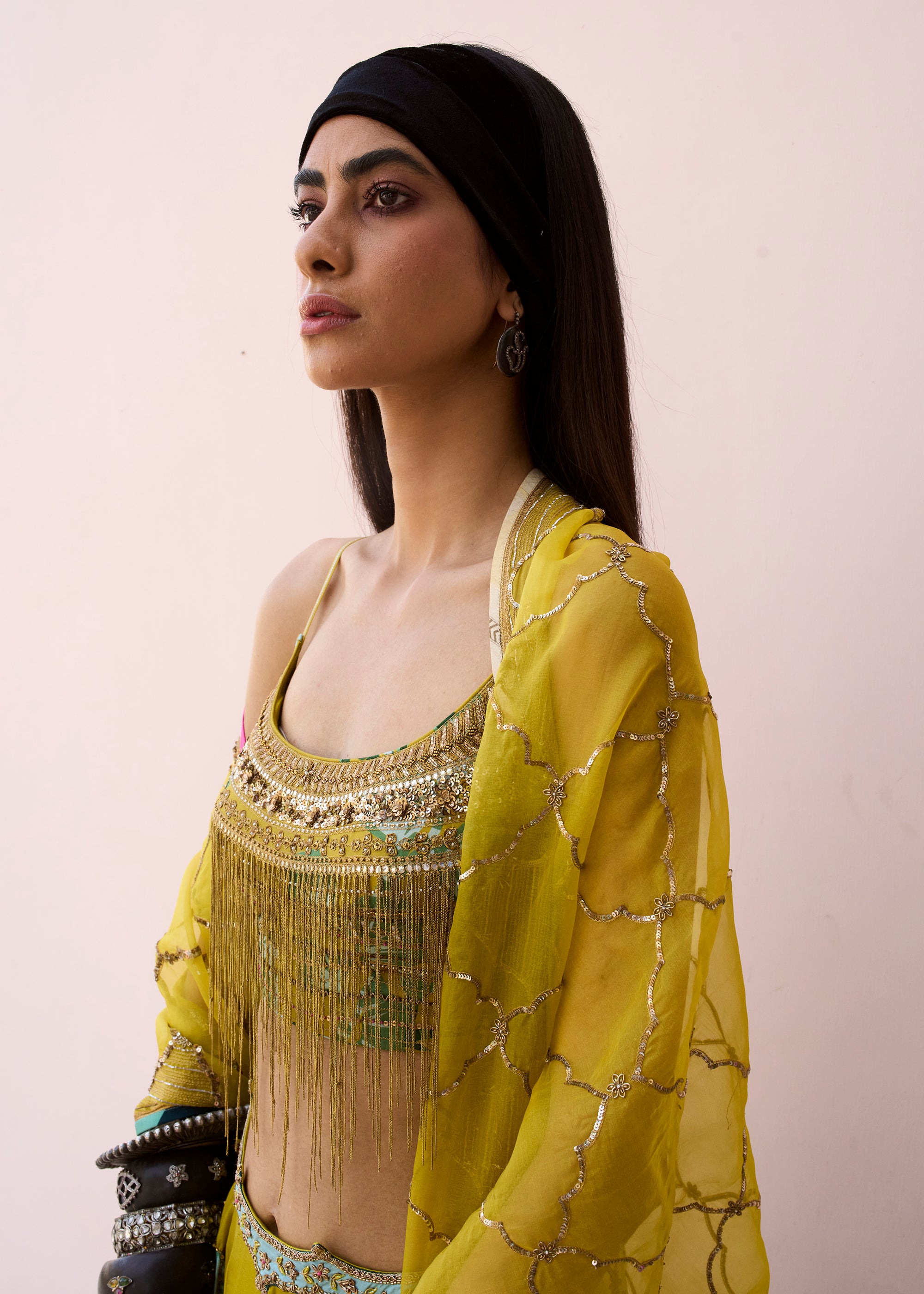
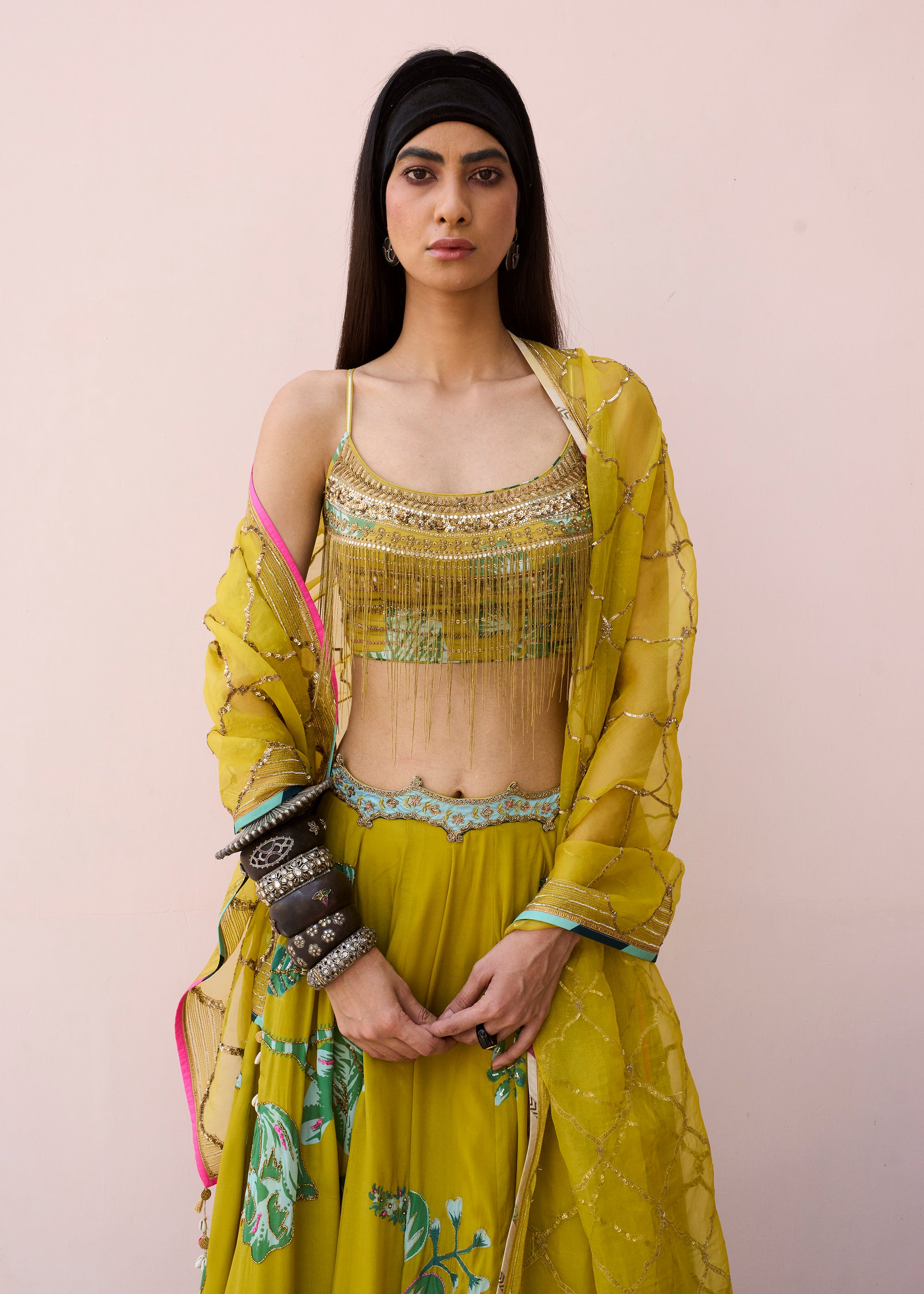
Fabric is where everything begins. Cotton blends, soft silks, organza, and handloom textiles are chosen because they breathe well and sit lightly on the body. A well-made haldi outfitshould feel airy without looking casual, structured without feeling stiff.
These fabrics also age well. Many women end up wearing their haldi pieces again at festive lunches, family gatherings, or cultural events without them feeling tied to a single morning.
Embroidery That Feels Right, Not Loud
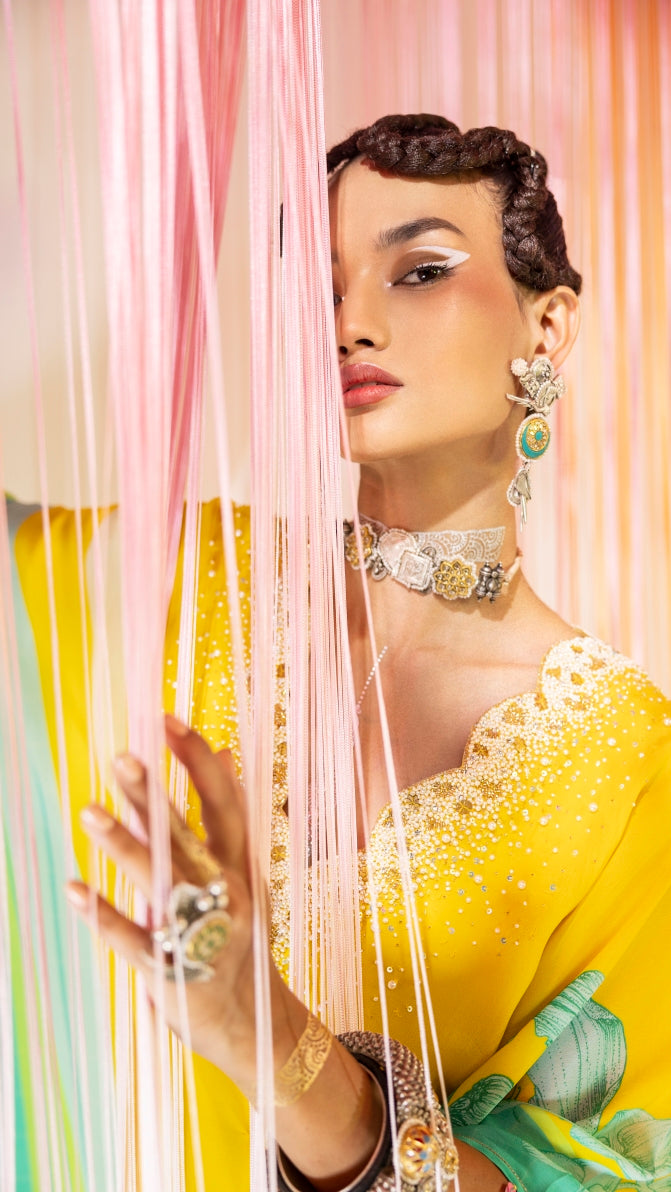
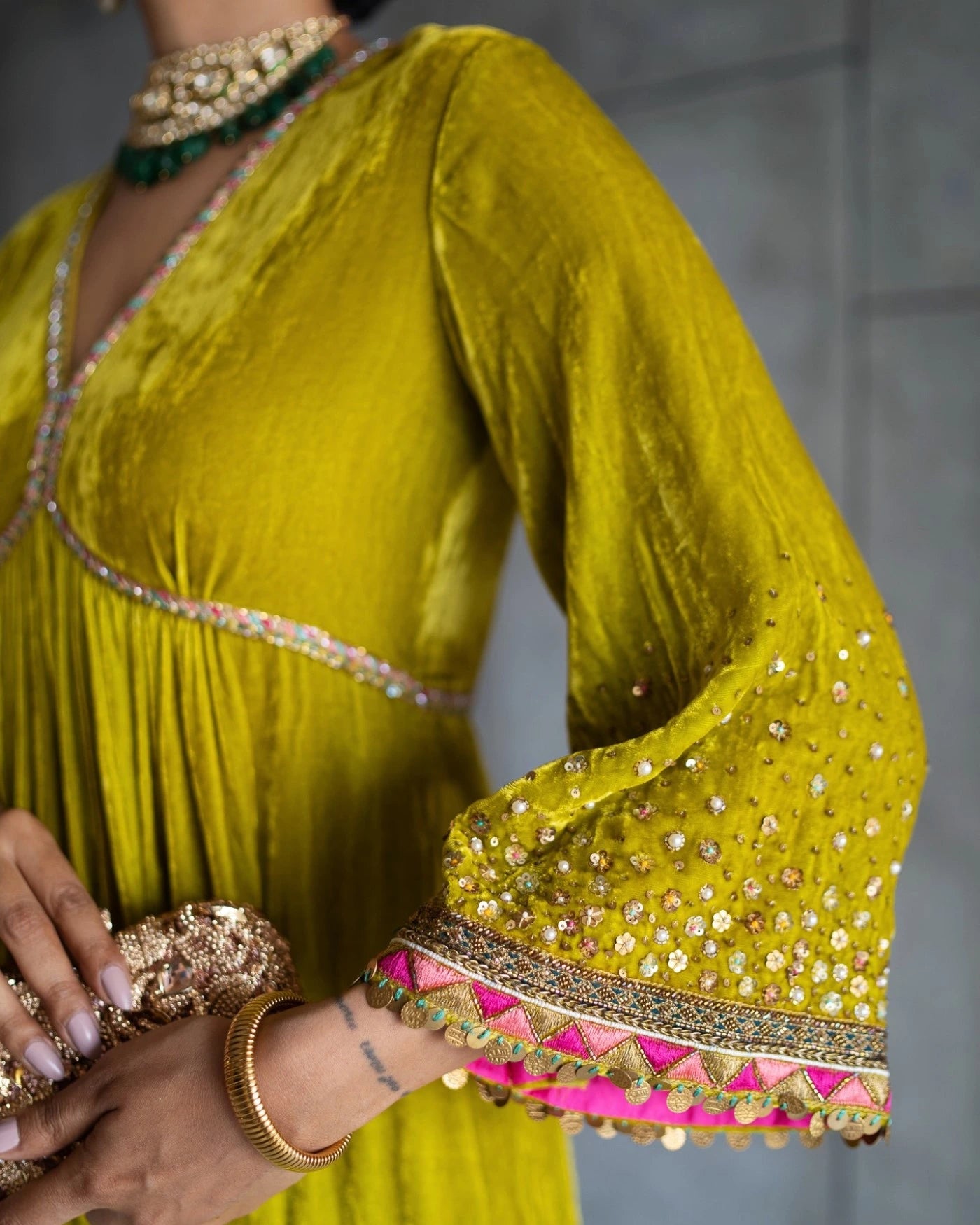
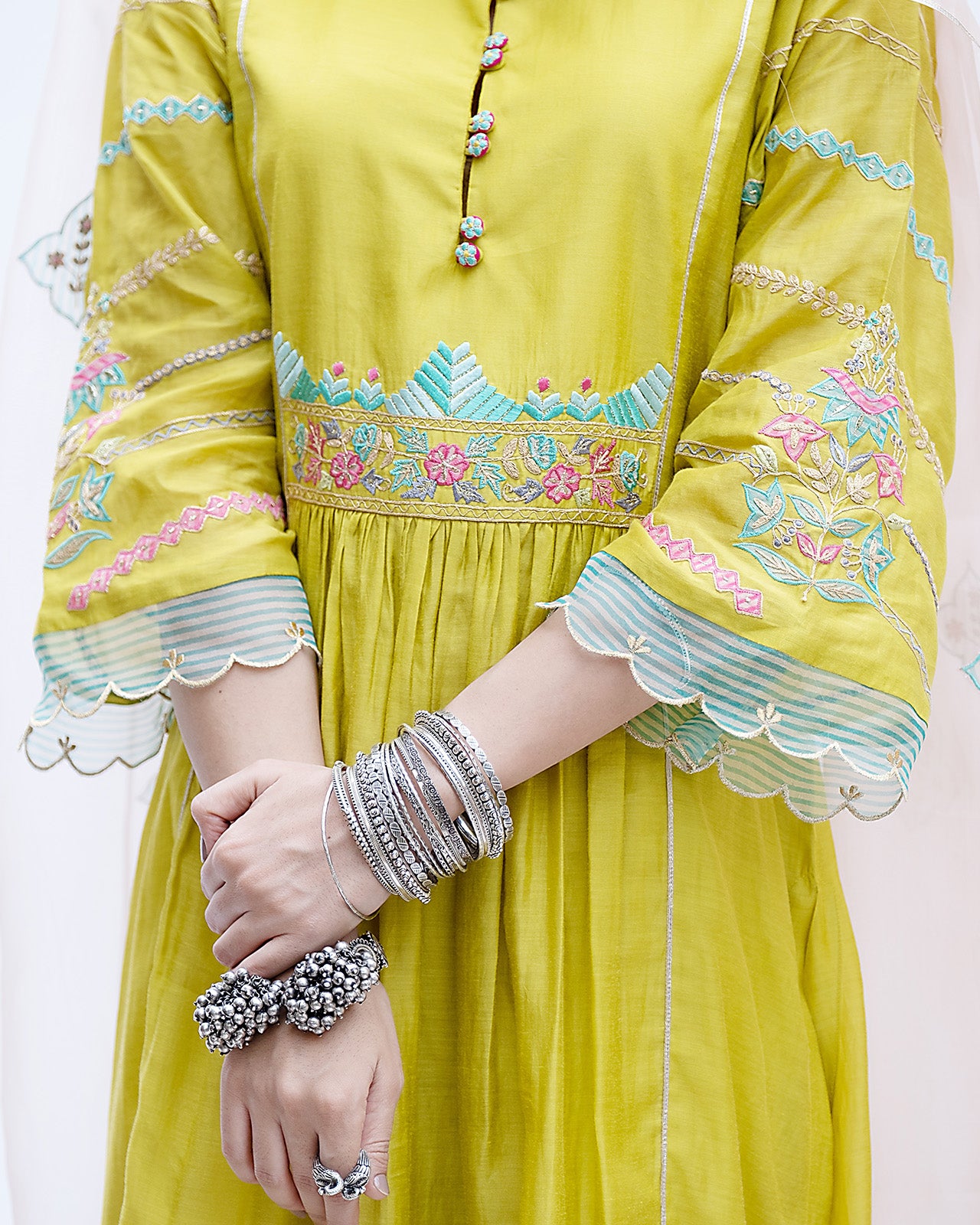
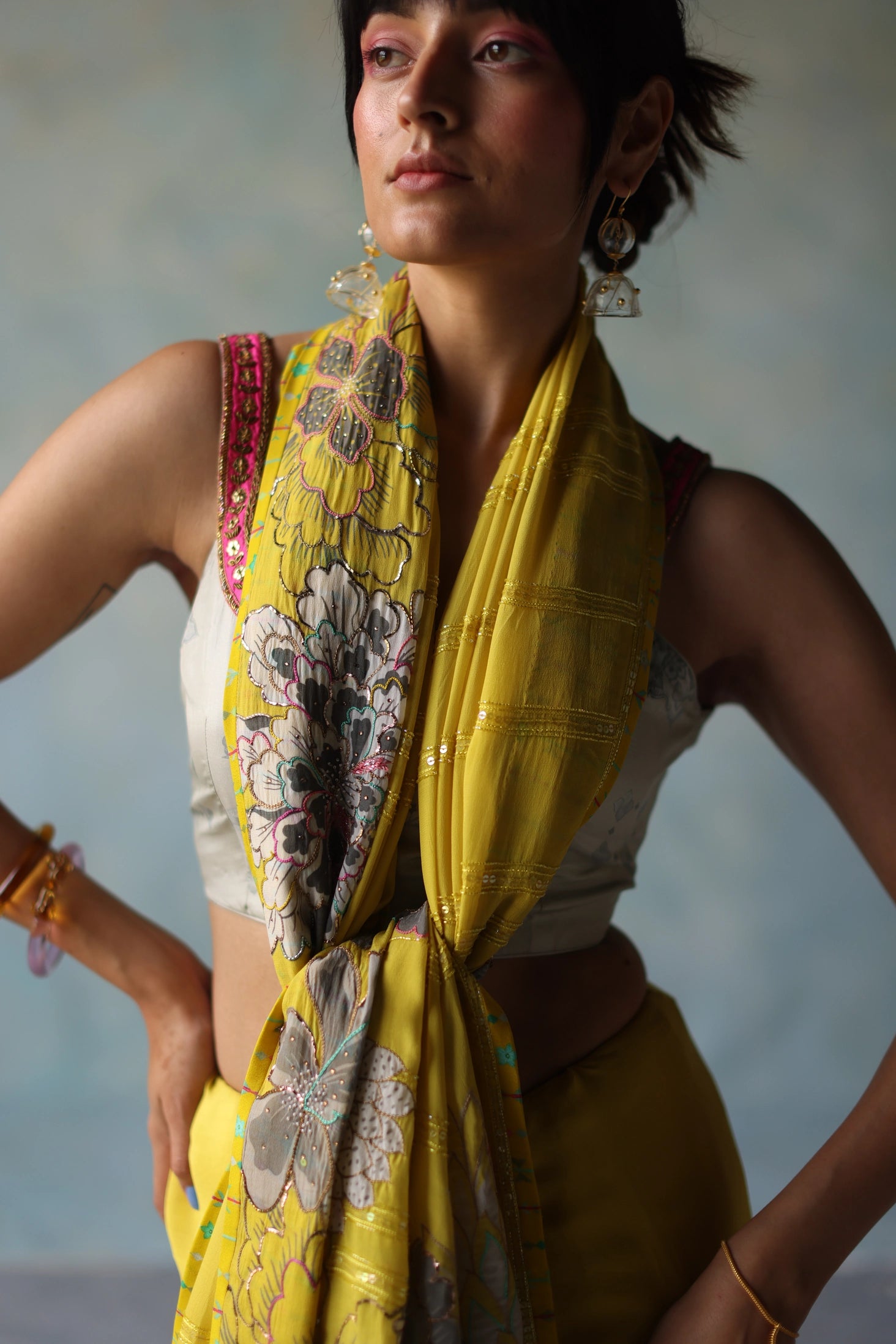
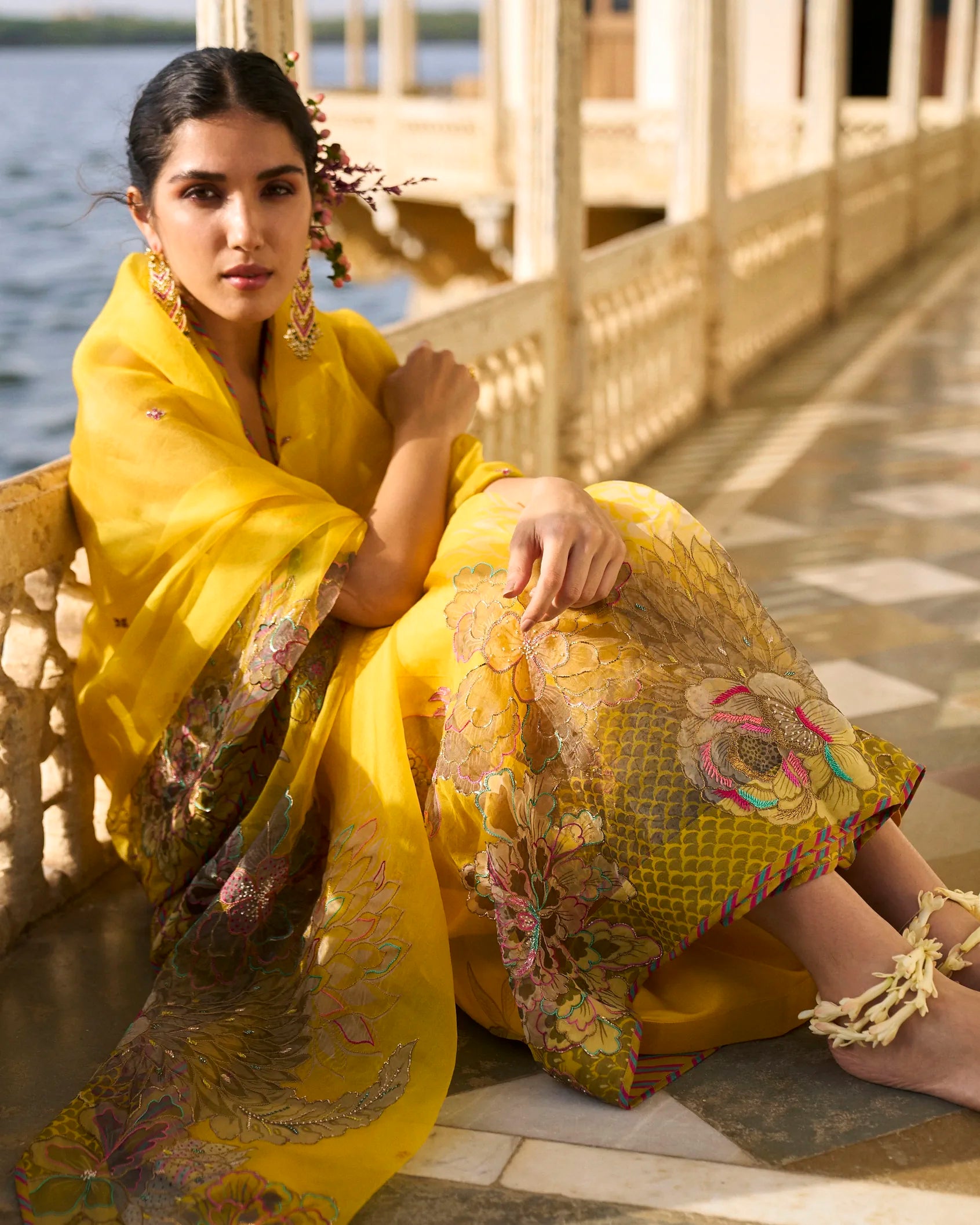
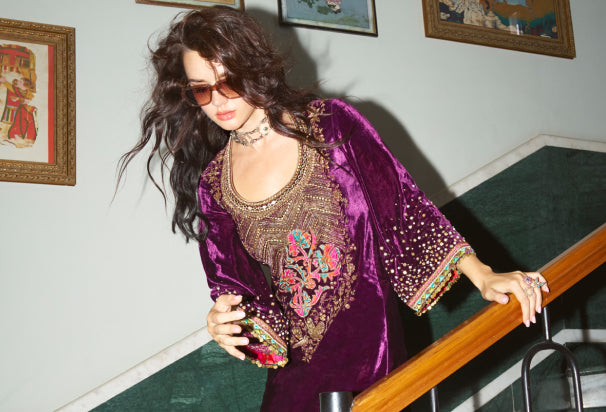
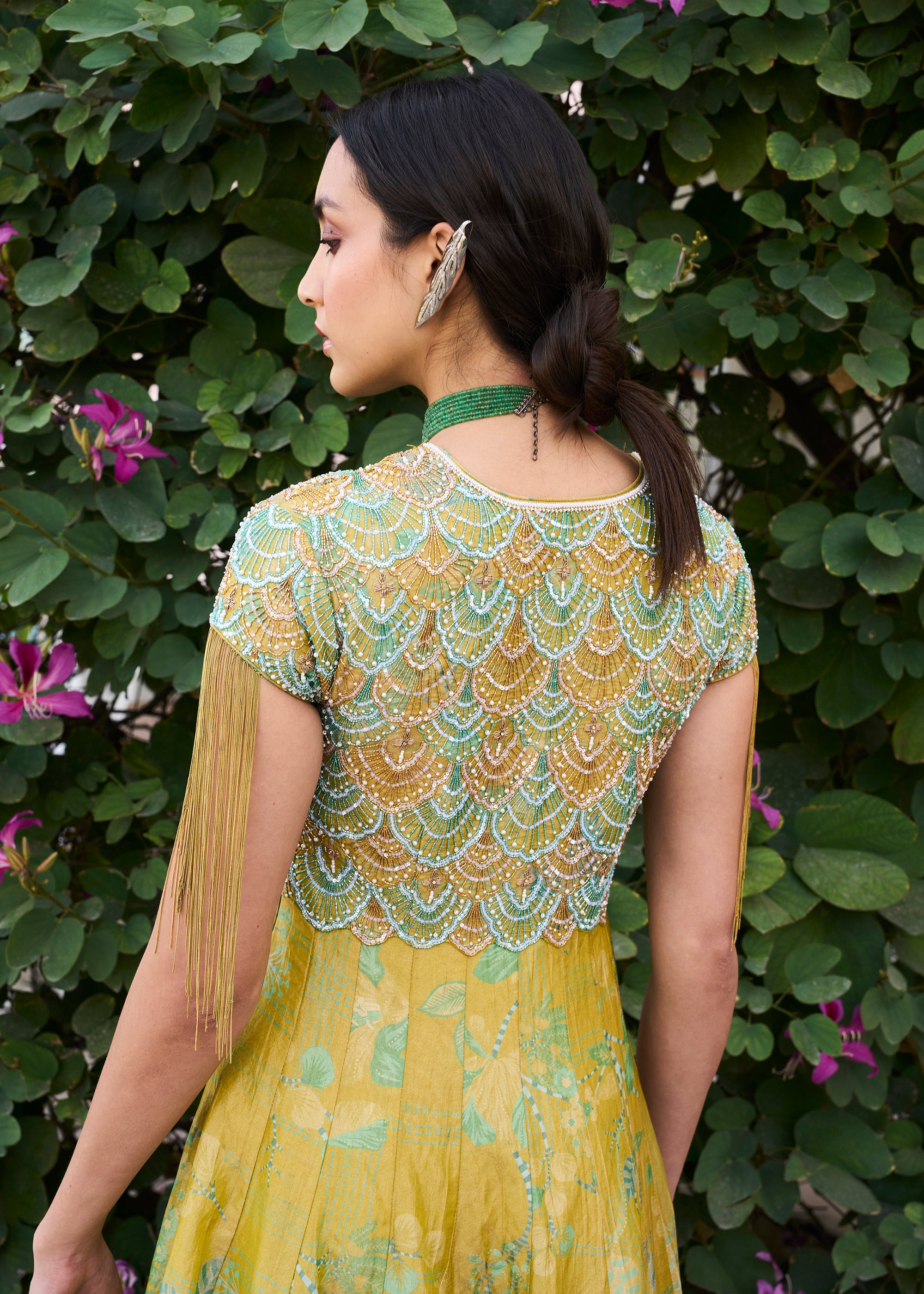
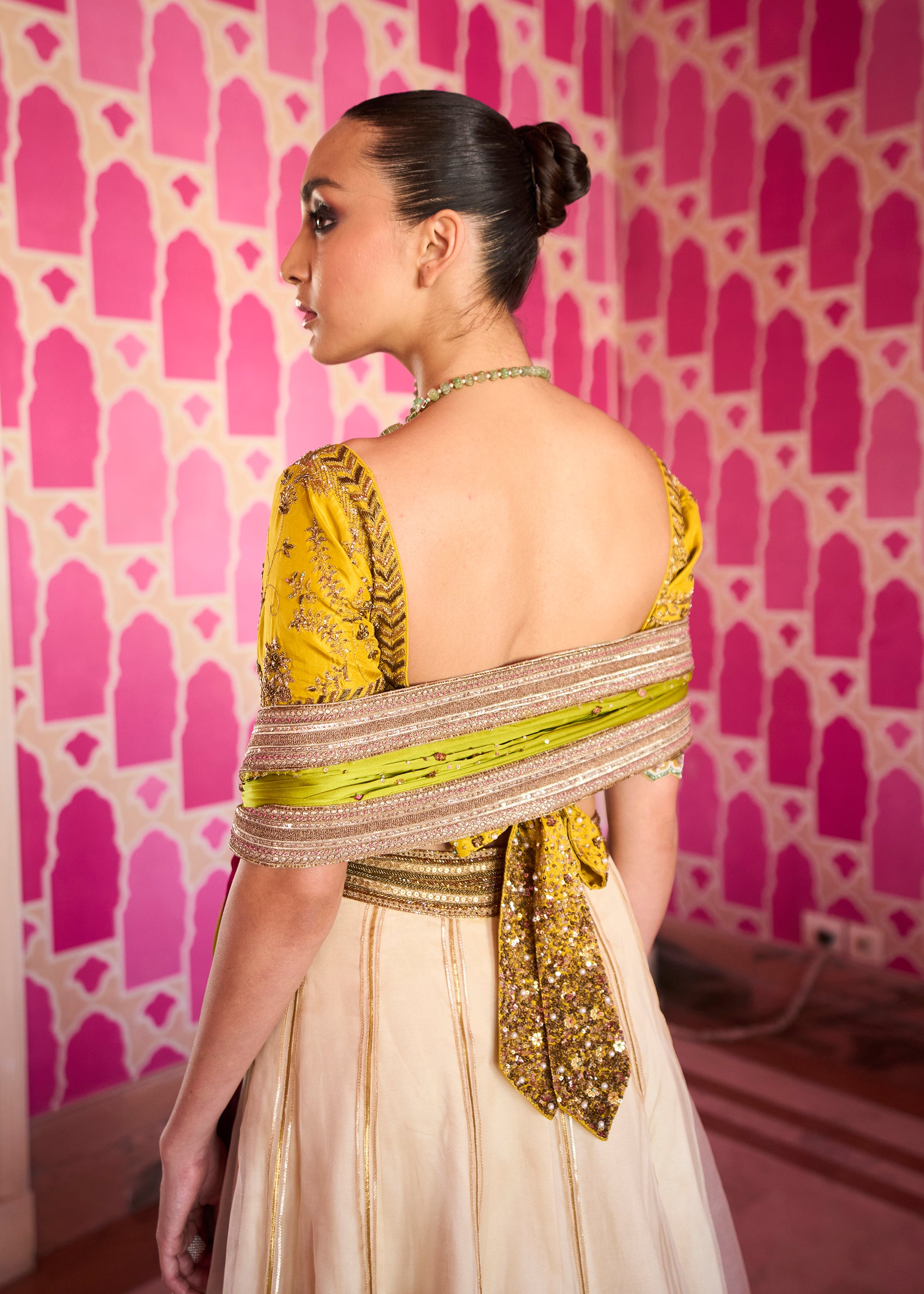
Embroidery is used with restraint. Traditional techniques like zardozi, resham, dabkaa, and rashmi appear as accents, not statements. This approach works especially well for haldi outfits for bridal wear, where the detailing needs to feel ceremonial but never heavy.
The result is clothing that photographs beautifully and still feels relevant years later.
Comfort-Led Silhouettes for Real Movement
Haldi ceremonies involve more movement than people expect sitting on the floor, standing for rituals, spontaneous laughter, long conversations. A restrictive haldi outfit becomes noticeable very quickly.
Relaxed cuts, clean tailoring, and thoughtful construction ensure the garment moves with the body. This is particularly appreciated during outdoor or warm-climate weddings, where comfort stops being optional.
Designed for Indian Women Living Globally
For women balancing Indian traditions with global lifestyles, haldi outfits for women need to be flexible. Festive, but not impractical. Traditional, yet understated. RajiRamniq designs reflect this balance, allowing the outfit to feel appropriate whether the ceremony is held at home, a resort, or a destination venue.
Why Handcrafted Still Matters
Every RajiRamniq haldi outfitis shaped by skilled artisans. You can feel the difference in the way the fabric falls, in the patience of the embroidery, and in the overall finish. Handcrafted clothing carries intention and in a wedding setting, that intention matters.
Dressing for More Than One Day
RajiRamniq doesn’t design haldi wear for a single moment. Each haldi outfit is meant to live beyond the ceremony, restyled and worn again as life unfolds. Customisation options allow women to create something personal clothing chosen with care, not urgency.
Frequently Asked Questions
1. What should a haldi outfit feel like to wear? A haldi outfit should feel light, breathable, and easy to move in, allowing comfort through long rituals and warm settings.
2. Which fabrics are best for a haldi outfit? Breathable fabrics like cotton blends, soft silks, organza, and handloom textiles work best for haldi ceremonies.
3. Are haldi outfits meant to be simple or heavy? Most modern haldi outfits are simple and understated, focusing on comfort and softness rather than heavy embellishment.
4. Can a haldi outfit be worn again after the wedding? Yes. Thoughtfully designed haldi outfits are often reworn for festive lunches, family gatherings, or cultural events.
5. Why do many brides prefer handcrafted haldi outfits? Handcrafted haldi outfits offer better comfort, refined detailing, and a sense of intention that suits meaningful ceremonies.